2Game Valentine’s Sale 2025
It’s that time of year—love is in the air! And what better way to celebrate than with a massively discounted title from the 2Game Valentine's Sale? I mean, with amazing deals on games like Borderlands 3, BioShock, and Monster Hunter Rise, who says romance is dead?!
There are so many Valentine's Sale deals, and you should definitely check them all out, but as a little gift to make life easier, we’ve handpicked some standout titles that caught our eye. With discounts this good, you're sure to find the perfect gaming gift this Valentine's!
2Game Valentine's Sale Top Picks:
Borderlands 3 @ 90% Off

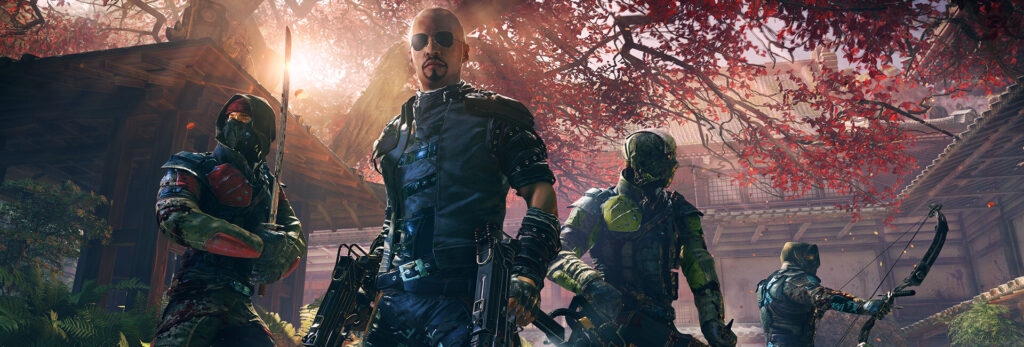
Shadow Warrior 2 @ 90% Off (From Feb 14th, 7pm CET)
XCOM: Ultimate Collection @ 87% Off

Marvel's Midnight Suns @ 85% Off

Tiny Tina's Wonderlands @ 80% Off

BioShock: The Collection @ 80 % Off

Mafia: Definitive Edition @ 80% Off

MONSTER HUNTER RISE @ 75% Off

GTFO @ 50% Off

METAL GEAR SOLID V: The Definitive Experience @ 40% Off

Spread the Love with 2Game Valentine's Deals!

Love comes in many forms, from epic co-op adventures to heart-pounding battles, or facing off against ferocious monsters. And with the 2Game Valentine's Sale, there's no better time to treat yourself or a fellow gamer to something special!
In fact, with discounts this good, why stop at one? Grab a game for yourself and surprise that special gamer in your life with something you can enjoy together. After all, Valentine's is all about spreading the love!
No matter what you pick, we hope your day is filled with fun, adventure, and, who knows, maybe even a little romance! Happy Valentine's!
Love is in the air and what better way to celebrate than with the 2Game Valentine’s Sale?!
The CAPCOM Fire Sale Giveaway – 6 Days, 6 Chances to Win!
We've got great news! The CAPCOM Fire Sale is heating up and we’re kicking things off with 6 days of incredible giveaways. Drum roll, please...
From February 10th (7pm CET) to Feb 15th, you have the chance to win a CAPCOM classic every single day!
That’s right, each day, one lucky winner will pick their prize from two fan-favorite titles. Sound good? It is! And what's more, entering is super easy!
READ MORE: Top Deals in the Capcom Fire Sale: New 2Game Discounts Live on Feb 10!
6 Days, 12 CAPCOM Classics!
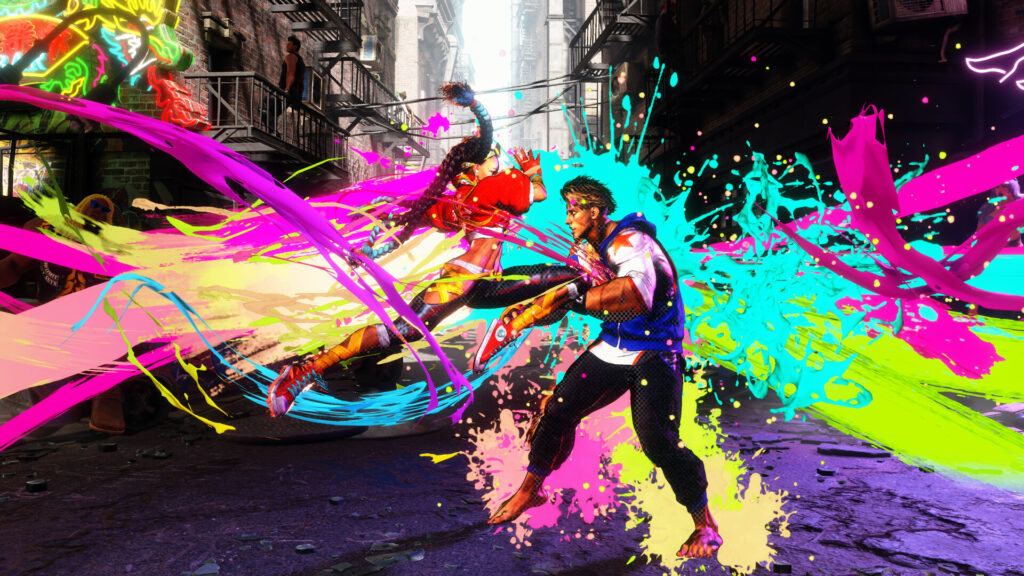
Each day, one lucky winner gets to choose between two CAPCOM classics. Take a look at the lineup and start planning your picks!
Day 1 (Feb 10): Street Fighter™ 6 OR Monster Hunter: World
Step into the ring with the latest entry in the legendary fighting series, or venture into a thrilling co-op hunt in one of CAPCOM’s biggest open-world adventures.
Day 2 (Feb 11): CAPCOM Fighting Collection OR Resident Evil 4
Retro arcade brawls or one of the greatest survival horror games ever made? This one’s tough!
Day 3 (Feb 12): Devil May Cry 5 OR Mega Man 11
Master high-speed, demon-slaying combos or test your platforming skills in a classic side-scrolling adventure. What's your move?
Day 4 (Feb 13): Dead Rising 4 OR Dragon’s Dogma 2
Go wild with over-the-top zombie mayhem, or lose yourself in an epic fantasy RPG full of danger and discovery.
Day 5 (Feb 14): The Great Ace Attorney Chronicles OR Monster Hunter Rise
Solve gripping courtroom mysteries or take down towering beasts in a fast-paced action RPG. What's your verdict?
Day 6 (Feb 15): Monster Hunter Stories OR Ghost Trick: Phantom Detective
Raise and battle monsters in an RPG twist on the Monster Hunter series, or unravel supernatural puzzles in a cult-classic adventure. What will it be?
How to Enter the CAPCOM Fire Sale Giveaway

Whether you're certain of your picks or need more time to mull them over, you'll be happy to know that entering the CAPCOM Fire Sale Giveaway couldn’t be easier. From February 10th (7pm CET) - Feb 15th, all you need to do is:
✅ Follow @2Game on X (formerly Twitter) and like, retweet, and comment which game you would like to choose from the two titles available each day
✅ For an extra entry join 2Game Discord and share a link to your Twitter comment on the Discord
That's it! Just remember to do both daily to maximize your chance of winning!
How Winners Are Selected

One winner will be randomly selected each day from the pool of eligible participants. If you win, we’ll DM you on X or Discord, so be sure to check your messages!
Don't Miss Your Chance to Win a CAPCOM Game Each Day!

The CAPCOM Fire Sale is your chance to grab huge discounts on some of CAPCOM’s biggest hits. But why stop at a discount when you could win one for free? That's where the CAPCOM Fire Sale Giveaway comes in!
With legendary fighters, spine-chilling horror, action-packed RPGs, and nostalgic platformers, there’s something for everyone. And with a winner every day for 6 days, you've got to fancy your chances!
So, what are you waiting for? Follow @2Game on X and join our 2Game Discord to lock in your chance to win.
Let's get this giveaway party started!
We’ve got great news! The CAPCOM Fire Sale is heating up and we’re kicking things off with 6 days of incredible giveaways. Drum roll, please… From February 10th (7pm CET) to Feb 15th, you have the chance to win a CAPCOM classic every single day! That’s right, each day, one lucky winner will pick their […]
Monster Hunter Wilds: Updated PC System Requirements and New Benchmark Tool Released!
Good news, Hunters! If you’ve been nervously eyeing the steep system requirements of Monster Hunter Wilds—or perhaps sweating over some performance hiccups from its first beta—Capcom has been fixing things up. Not only have they reduced the game’s hardware demands, but they've also released a 26GB benchmarking tool, giving you the chance to test and fine-tune your system ahead of Beta 2 and the full release.
For those of you wondering whether your rig is up for the challenge of hunting in the wilds, hopefully, this update will bring some reassurance!
Pre-Order Monster Hunter Wilds at 2Game Today!
GPU and CPU Adjustments: A Bit More Breathing Room

The reduction in GPU requirements marks the most noticeable update. Originally, Monster Hunter Wilds recommended an RTX 2070 Super or RTX 4060 for a smooth experience, but Capcom has now lowered that to an RTX 2060 or an RX 6600 for AMD users.
This might not seem like a massive drop, but for mid-range setups, it should make a meaningful difference. That is, you’ll still be able to hit 60fps at 1080p on medium settings with frame generation enabled, and you won’t need to splash out on top-tier hardware to get there.
CPU requirements have also been streamlined. Instead of separate minimum and recommended processors, Capcom has now settled on the same lineup across the board: Intel i5-10400, i3-12100, or Ryzen 5 3600. Again, this isn't a massive shift, but it takes away some of the ambiguity about whether your CPU will hold up, which is appreciated.
Benchmarking Tool: Test, Tweak, and Ready Your Rig
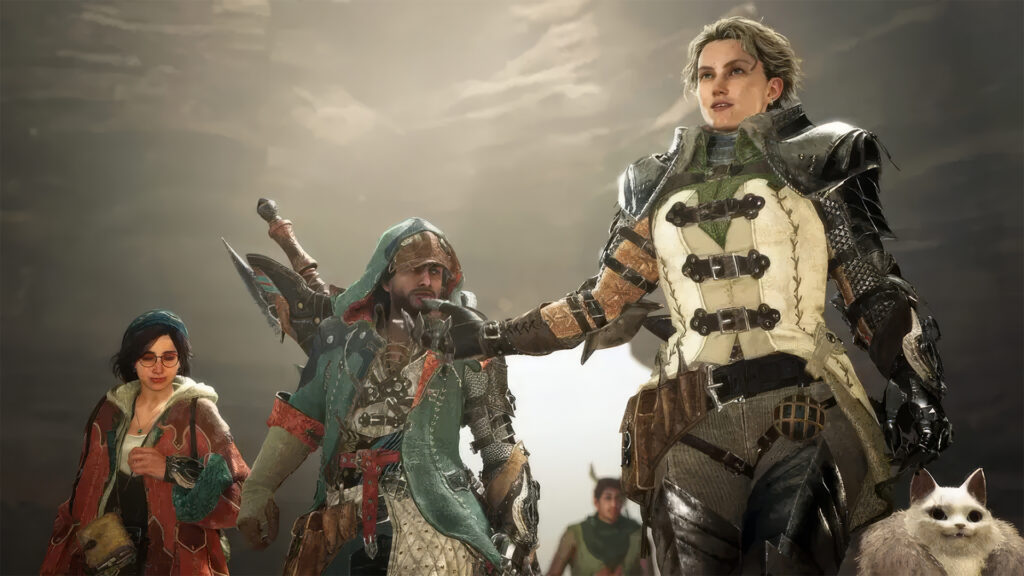
Still not sure whether your rig can handle the highly anticipated Monster Hunter Wilds? Now's your chance to find out.
Alongside the spec adjustments, Capcom has rolled out a hefty 26GB benchmarking tool, letting you put your system to the test, tweak your settings, and fine-tune performance ahead of Beta 2 and the final release. If you want to be ready for day one of the hunt, this is the prep your rig needs for a seamless start.
Downloading the tool from Steam is straightforward, (although you should be prepared for a bit of a wait while the shaders compile). Once you're in, you can adjust graphics settings and watch how your system handles the game through a mix of in-game cutscenes and exploration sequences. It’s a great way to dial in performance without the pressure of a real gameplay hunt.
Prepare for a Smooth Hunt in the Wilds!

Capcom has clearly been listening to player feedback, and the recent system requirement tweaks, along with the benchmarking tool, reflect their effort to make Monster Hunter Wilds more accessible. Are these updates groundbreaking? Not exactly. But they’re definitely a step in the right direction.
Monster Hunter Wilds is still a demanding game, and honestly, we wouldn’t expect anything less from such an ambitious project. That said, if the original specs had you breaking into a cold sweat, this revision gives mid-range PC players more breathing room, without sacrificing the game's technical ambition.
As for performance, the benchmarking tool allows you to test your rig ahead of Beta 2 and the full release. Whether you're fine-tuning for peak performance or simply ensuring everything runs smoothly, Capcom's efforts should make your journey into the game that much smoother.
We'll end with the updated Monster Hunter Wilds system requirements in full. But for now, all that's left to say is—bring on the hunt!
Pre-Order Monster Hunter Wilds at 2Game Today!
Updated Monster Hunter Wilds System Requirements

Minimum System Requirements:
64-bit processor and operating system
OS: Windows®10 (64-bit Required)/Windows®11 (64-bit Required)
Processor: Intel® Core™ i5-10400 or Intel® Core™ i3-12100 or AMD Ryzen™ 5 3600
Memory: 16 GB RAM
Graphics: NVIDIA® GeForce® GTX 1660(VRAM 6GB) or AMD Radeon™ RX 5500 XT(VRAM 8GB)
DirectX: Version 12
Network: Broadband Internet connection
Storage: 75 GB available space
Additional Notes: SSD required. This game is expected to run at 1080p (upscaled from 720 native resolution) / 30 fps under the "Lowest" graphics setting. DirectStorage supported.
Recommended System Requirements:
64-bit processor and operating system
OS: Windows®10 (64-bit Required)/Windows®11 (64-bit Required)
Processor: Intel® Core™ i5-10400 or Intel® Core™ i3-12100 or AMD Ryzen™ 5 3600
Memory: 16 GB RAM
Graphics: NVIDIA® GeForce® RTX 2060 Super(VRAM 8GB) or AMD Radeon™ RX 6600(VRAM 8GB)
DirectX: Version 12
Network: Broadband Internet connection
Storage: 75 GB available space
Additional Notes: SSD required. This game is expected to run at 1080p / 60 fps (with Frame Generation enabled) under the "Medium" graphics setting. DirectStorage supported.
Pre-Order Monster Hunter Wilds at 2Game Today!
Good news, Hunters! If you’ve been nervously eyeing the steep system requirements of Monster Hunter Wilds—or perhaps sweating over some performance hiccups from its first beta—Capcom has been fixing things up. Not only have they reduced the game’s hardware demands, but they’ve also released a 26GB benchmarking tool, giving you the chance to test and […]
Games Like Avowed to Play While You Wait!
Obsidian Entertainment's Avowed is one of the most anticipated RPGs of 2025. Set in the universe of Pillars of Eternity, it promises immersive first-person combat, deep storytelling, and a vast fantasy world to explore. But with its February 18 launch date around the corner, you're probably looking for something to scratch that RPG itch in the meantime.
Don't worry, we’ve got you covered! Whether you're after intricate narrative, meaningful choices, or intense combat, the following games will hold you over while you wait for the upcoming Avowed. We hope you enjoy what we've come up with!
Pre-order Avowed via 2Game to score a sweet discount!
Top Games Like Avowed to Play While You Wait:
Pillars of Eternity

To truly prepare for Avowed, Pillars of Eternity is essential. Though an isometric RPG rather than a first-person experience, it offers a rich narrative set in the same setting: The Living Lands, and the broader world of Eora.
Obsidian’s signature storytelling is in full force with Pillars of Eternity. Think deep lore, complex factions, and tough moral decisions. While the gameplay differs from what's expected in Avowed, Pillars will provide an appreciation of the cultures, conflicts, and mystical forces that help shape the upcoming RPG, making your Avowed experience even more rewarding.
The Elder Scrolls Series (Skyrim, Morrowind, Oblivion)

Skyrim is the obvious go-to for a massive open-world RPG with first-person swordplay and spellcasting, similar to what's promised in Avowed. And it's a damn good game! Even after more than a decade, its open-ended design, freedom of choice, and emergent storytelling make it endlessly replayable. This is largely thanks to its active modding community keeping things fresh with graphical upgrades, new quests, and innovative gameplay mechanics.
But Skyrim isn't the only gem in The Elder Scrolls series. Oblivion offers a vibrant and whimsical world filled with eccentric characters and a heroic fantasy feel, while Morrowind delivers some of the most unique storytelling and world-building in RPG history.
All three games encourage exploration, personal choice, and forging your own path—core elements that will likely shine in Avowed.
Get Skyrim via 2Game today!
Fallout: New Vegas

Obsidian’s Fallout: New Vegas remains one of the greatest RPGs ever made. While its post-apocalyptic setting differs from Avowed’s fantasy world, its approach to choice-driven storytelling and player agency is a hallmark of Obsidian’s design philosophy and one we can likely expect from the upcoming RPG.
The faction system is dynamic, allowing you to form alliances or betray them with lasting consequences, and every decision feels impactful as the game’s branching narratives make each playthrough unique. If you haven't yet experienced the reactive world of New Vegas, now's your chance!
Get Fallout: New Vegas via 2Game today!
Dragon’s Dogma 2

Looking for a more action-packed RPG? Dragon’s Dogma 2 might be just what you need. With an enhanced Pawn system that adapts to your playstyle, this fantasy RPG brings dynamic encounters and jaw-dropping combat.
Whether battling towering monsters, climbing a griffin mid-air, or unleashing devastating magic, it’s an immersive experience that seamlessly blends exploration and action. If you're craving high-intensity fantasy gameplay while you wait for Avowed, Dragon's Dogma 2 is a no-brainer.
Get Dragon's Dogma 2 via 2Game today!
Dark Souls Remastered

For fans of tough combat and atmospheric storytelling, Dark Souls Remastered is a must. With cryptic lore and tight combat mechanics, the series may not share Avowed's high-fantasy setting, but its immersive world, deep exploration, and weight of your choices make it a perfect fit for those up for a more challenging RPG.
A series that's become a cultural phenomenon, Dark Souls Remastered offers a uniquely rewarding experience for those who appreciate no-handholding gameplay. Good luck!
Get Dark Souls Remastered via 2Game today!
Elden Ring
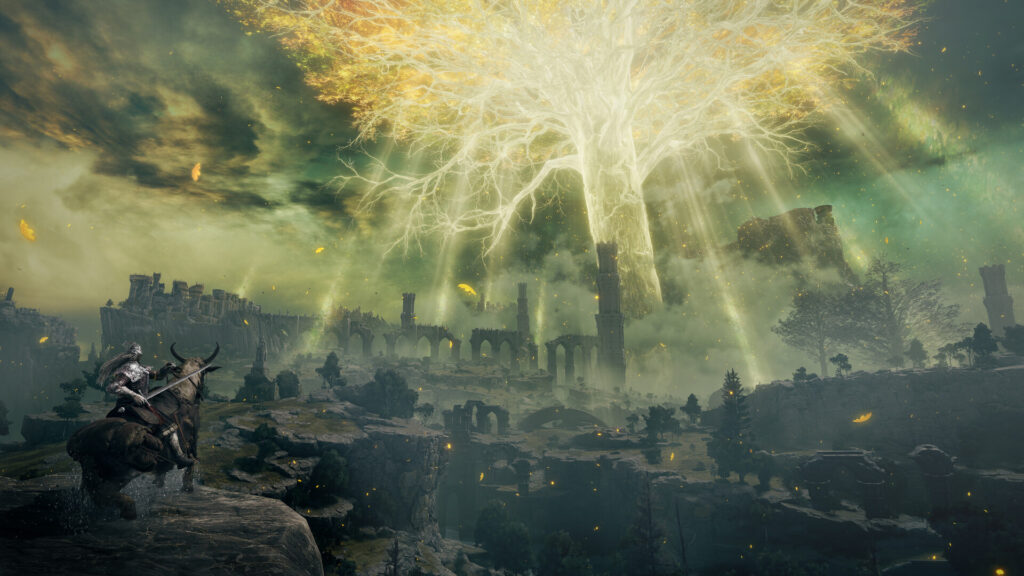
What list would be complete with Elden Ring? If you're craving a massive open-world RPG with tough combat and a mysterious, lore-rich world, this may well be the perfect choice.
Much like Avowed, your decisions matter in Elden Ring, and the environment itself tells stories that unravel as you progress. Whether you're drawn to its intricate lore, tough boss fights, or atmospheric world, Elden Ring stands as one of the most epic fantasy RPGs ever created.
Just be sure to clear your diary for the next couple of weeks, it certainly will keep you busy as you wait for Avowed!
Get Elden Ring via 2Game today!
Enjoy These Games Like Avowed While You Wait!

And there you have it. We appreciate waiting's tough, but as Avowed nears its February 18 launch, there’s a wealth of incredible RPGs to keep you entertained.
From the intricate world-building of Pillars of Eternity and Fallout: New Vegas to the action-packed battles of Dragon’s Dogma 2 and Elden Ring, these titles should satisfy your RPG cravings while offering unique experiences of their own.
Whether you’re in it for deep narratives, intense combat, or expansive worlds, we hope the above games make the wait for Avowed feel more worthwhile!
Pre-order Avowed via 2Game to score a sweet discount!
Obsidian Entertainment’s Avowed is one of the most anticipated RPGs of 2025. Set in the universe of Pillars of Eternity, it promises immersive first-person combat, deep storytelling, and a vast fantasy world to explore. But with its February 18 launch date around the corner, you’re probably looking for something to scratch that RPG itch in […]
Dark Souls & Tekken 8: Must-Grab Bandai Namco Deals in the 2Game Lunar Sale 2025
The 2Game Lunar Sale 2025 is here, bringing incredible deals on must-have titles. And when it comes to legendary franchises, few publishers can rival Bandai Namco. From epic RPGs to pulse-pounding fighters, we're talking worldwide staples that deserve a spot in every gaming library.
Today we’re shining the spotlight on two Bandai Namco standout titles: the iconic Dark Souls Remastered and the latest entry in the legendary Tekken series, Tekken 8. If you’ve been waiting for the perfect opportunity to get your hands on either of these classics - the 2Game Lunar Sale is it!
Must-Grab Bandai Namco Deals in the 2Game Lunar Sale:
Dark Souls Remastered @ 50% Off

If you’ve yet to experience the brutal beauty of Dark Souls, with 50% off, now is your perfect opportunity. This remastered version of the iconic action RPG brings Lordran’s hauntingly stunning world to life with enhanced visuals and a smoother gameplay experience.
Known for its challenging combat, intricate lore, and unforgettable bosses, Dark Souls is a true test of patience and skill. It’s tough, but the sense of achievement if you stick in there is second to none.
Whether you’re a newcomer or a veteran ready to face Gwyn, Lord of Cinder once more, at half price, there's never been a better time to 'praise the sun'!
Tekken 8 @ 50% Off

Delivering next-gen fighting action like never before, Tekken 8 celebrates the return of the king of the Iron Fist Tournament.
With breathtaking graphics, revamped mechanics, and a cast of beloved characters (plus exciting new faces), the latest entry in this long-running series is a must-play for fans of competitive fighters.
Whether you’re mastering Kazuya’s devastating combos or discovering the new Heat System, Tekken 8 offers endless hours of adrenaline-fueled fun. At 50% off, there’s no better time to step into the ring and prove your skills!
2Game Lunar Sale 2025 - Save Big on Bandai Namco's Best!

Bandai Namco’s legacy is built on delivering unforgettable gaming experiences, and these two titles are shining examples of their excellence.
Dark Souls offers a deep, challenging RPG adventure that’s become nothing less than a cultural phenomenon, and Tekken 8 brings stunning modern innovations to classic arcade fighting.
Whether you're ready to test your mettle in Lordran or throw down in the Iron Fist Tournament, you’re in for an unforgettable gaming experience. And best of all? Grab either title in the 2Game Lunar Sale and you'll save big bucks at the same time! What's not to love?
The 2Game Lunar Sale 2025 is here, bringing incredible deals on must-have titles. And when it comes to legendary franchises, few publishers can rival Bandai Namco. From epic RPGs to pulse-pounding fighters, we’re talking worldwide staples that deserve a spot in every gaming library. Today we’re shining the spotlight on two Bandai Namco standout titles: […]
2Game Lunar Sale 2025 – New Publisher Deals You Won’t Want to Miss!
I love this time of year as a gamer—it's sales galore! First, we had the Winter Sale, then the January Sale, and now we’re thrilled to launch the 2Game Lunar Sale 2025. It’s like being a kid in a candy store, with fresh notifications of new publishers and irresistible deals arriving daily!
Speaking of exciting additions, we’re delighted to welcome the acclaimed publishers Quantic Dream, Devolver, and 505 Games to the Lunar Sale lineup. Join us as we highlight some of their standout deals. Excited? We sure are!
2Game Lunar Sale 2025 - New Publisher Deal Highlights:
Top Quantic Dream Deals
Renowned for immersive, story-driven games full of compelling narratives and moral dilemmas, Quantic Dreams' cinematic approach to gaming has redefined the adventure genre. Here are a couple of deals you won't want to miss!
Detroit: Become Human @ 70% Off

Step into a near-future Detroit where androids and humans coexist—but not always peacefully! Detroit: Become Human places you in control of three androids, each with a unique story that intertwines as their worlds spiral into chaos.
With stunning visuals, overwhelmingly positive reviews, and a narrative that adapts to your every choice, Detroit: Become Human is an unforgettable journey of morality, empathy, and rebellion. With a 70% discount, it's the perfect time to discover what the fuss is all about!
Heavy Rain @ 75% Off

A gripping psychological thriller where every decision matters, Heavy Rain follows four characters as they hunt down the mysterious Origami Killer. A race against time full of twists, emotional depth, and heart-pounding suspense, Heavy Rain is perfect for fans of intense crime dramas. It will keep you on the edge of your seat!
Top Devolver Digital Deals
Synonymous with creativity and boldness, Devolver Digital delivers indie gems as innovative as they are unforgettable. If you're looking for experiences that defy genre conventions, this is the publisher for you.
Hotline Miami @ 80% Off

A brutal, fast-paced top-down action game, Hotline Miami oozes retro charm. And it's got a killer soundtrack to boot!
Not for the faint-hearted, this is a stylish and intense game full of chaotic puzzles, mayhem, and strategy, that challenges players to execute their missions with precision and speed. Again, the reviews are overwhelmingly positive, and the discount's massive!
Gris @ 80% Off

A visually breathtaking journey of loss and recovery, Gris blends platforming and puzzles with hand-painted art and a mesmerizing score. An emotionally resonant masterpiece of subtle storytelling, Gris also received overwhelmingly positive reviews and is a must-play for anyone who appreciates art in motion.
Top 505 Games Deals
From indie darlings to massive AAA experiences, 505 Games excels in publishing a wide array of titles, offering something for every kind of gamer. Here's some of what's on offer.
Assetto Corsa @ 75% Off

With the recent release of Assetto Corsa Evo, there’s never been a better time to revisit the game that started it all. Assetto Corsa set the standard for racing simulators with its unparalleled attention to detail, realistic handling, and immersive driving experience.
Whether you’re perfecting your lap times or reliving classic tracks, this game remains a must-play for motorsport enthusiasts. And with 75% off, you can't go wrong!
DEATH STRANDING DIRECTOR'S CUT @ 50% Off

From the mind of Hideo Kojima, Death Stranding redefines what it means to explore, build, and reconnect humanity in a fragmented world. With the Director’s Cut enhancing this already hauntingly beautiful and thought-provoking one-of-a-kind experience, if you don't yet own a copy, here's your chance to get it half-price!
Don’t Miss These Incredible 2Game Lunar Deals!

And there you have it—six fantastic picks from three incredible publishers. Whether you’re in the mood for gripping narratives, stylish indie experiences, or realistic simulations, the 2Game Lunar Sale 2025 has something for everyone.
Hurry though—these deals won’t last forever. Enjoy your bargain hunting and happy gaming!
It’s the 2Game Lunar Sale 2025 and here are some new publisher deals you won’t want to miss! Enjoy!
Welcome to the New 2Game Website!
As you've probably noticed by now, 2Game has had a massive makeover as of late. This particular site-wide upgrade has been a very long time coming, and we're thrilled to finally be able to push it out to all of our users worldwide.
The upgrade is comprehensive if anything: virtually all of 2Game's backend and frontend systems have been updated with support for more features, more customization, and more opportunities for future expansion. More on those upgrade later, though. For the time being, we'd like to give you a small overview of some of the most exciting improvements we've delivered so far. So, strap in and join us to get a sense of what's what and what's not!

2Game.com - Newly Upgraded and Polished Up
Starting from the bottom-up, we've revised and reworked all of the 2Game website's core features to make them easier to use and faster to access. Using the top-most function bar, you've got ready access to basically all the important content categories, the search bar (more on that later!), and your own user content library.
Hovering your mouse pointer over this toolbar will open up specific content sub-categories, which may include game genres, trending content, various top-up cards and subscriptions, as well as 2Game Pro and the 2Game eSports division. These latter features will open up over the coming weeks and months, and they too will receive their own time in the limelight.
Back on track, the 2Game Wishlist is the big deal here: you can finally keep track of all the games you're most interested in without ever leaving the 2Game website. To add a game to your Wishlist, simply click on the small heart icon that appears in the upper right corner of its UI. Easy! Your Wishlist menu will then keep track of all the games and products you've added to it, allowing you to quickly and easily see if any of them are on sale!

An Improved Search Engine and Better Game Discovery
One of the old 2Game website's most common critique had been its product indexation, with our on-board search engine often not knowing how to properly parse your input. In situations where a game might have oodles of post-launch content, for example, the old search engine would have trouble displaying correct and relevant results. To that end, the new and improved 2Game search engine is a huge upgrade. It is now easier than ever before to find and differentiate base games, DLCs, expansion pack, and everything in-between.
The improved display setup also helps in this respect: different products are now shown off more distinctively, allowing you to understand what you're looking at from a mere glance. We've also got way more sorting and filtering options ready to go, allowing you to fine-tune your preferences however you see fit!
2Game: Better Than Ever, With Lots More to Come
In summary, then, 2Game is prettier and more functional than ever before. Most importantly, this new site is the comprehensive baseline for some of our most exciting projects yet. Some of them we've already hinted at right here, while others we've got to keep tucked away for the time being.
The important thing, though, is that we're thrilled to offer you to best video game purchasing experience yet, and that's what counts the most. Stay tuned!
Better than ever.
Gray Zone Warfare 0.4 Update is What You’ve Been Waiting For
Gray Zone Warfare has been on the fringes of the tactical FPS niche for a long while now, having first released in a fairly crummy state in mid-2024. Madfinger Games' first full-blooded PC shooter had a long road ahead at that point in time, but anyone that played it even then could tell you that there was something special cooking in the background. Its most obvious competitor? Escape From Tarkov, for better or for worse, but Tarkov has since released its 1.0 build - such as it is - and pivoted even harder into extremely hardcore gameplay loops. That's not really what Gray Zone is about, and as of the recent update 0.4, we can vouch for the game with absolute certainty.
Having spent about a dozen hours playing Gray Zone Warfare 0.4 so far, we've got just enough experience to be able to tell whether Madfinger is making meaningful progress with the game compared to 0.3 and earlier. It's still early-to-mid-tier progression stages for us, yes, but the truly crucial bit makes itself apparent right off the bat: Gray Zone Warfare is what Ghost Recon should've been all along. Need context? We're happy to oblige.
Play Gray Zone Warfare @ 2Game today!

Is Gray Zone Warfare Worth Playing Now?
For most Early Access tactical shooters, there once comes a point where the jankiness-to-satisfaction pendulum finally swings from the former to the latter. Make no mistake: Gray Zone Warfare is still plenty janky. Movement isn't as smooth as it should be, weapons interact with the environments in strange ways sometimes, and frankly astonishing bugs will (yes, will) get you killed every so often. That's the jank part of the pendulum's arc, right there. On the other side we've got the sheer vibe of the game, the way it behaves in moment-to-moment gameplay, the progression, and just how satisfying it is to see its humongous sandbox in action. As of update 0.4, which officially released on March 31, 2026, the game is more often good than not.
That doesn't sound like tall praise, we get that, but it is. Whether you're playing solo or in a group, there's now always something to do or chase after, and though gear-fear plays a big role in how you approach each of Gray Zone's tactical challenges, the revamped Vendor kit eases it.
Specifically, level 1 vendors had access to virtually no interesting gear pre-0.4. You were effectively stuck with iron sights, semi-auto carbines, and flip-flop level armor that meant you had to be very lucky to get anywhere far as a newbie. All the bugs and other assorted problems only piled onto that.
Now, even level 1 vendors give you access to some manner of magnified optics and a far more substantial array of weapons to choose from. None of it is prohibitively expensive, either, which means you can feel more certain in risky tactical maneuvering and such.

Reduced gear fear alone does wonders for a player's wish to go out into Lamang and explore, but the revised questing system is important here as well. Whereas you used to have to go back to base for virutally every little progression-related tidbit before, now it all plays out in the field, with vendors reaching out from the TOC and giving you new tasks as you go.
In practice, each expedition into Lamang is now a bob-and-weave operation where you're likely to complete a handful of jobs organically. One of them simply flows into another and nudges you into mucking about areas you previously wouldn't dare walk into.
It's still an immensely challenging game from a casual point of view, note. Allowing even the most basic flip-flop-wearing SKS-wielding yob to get an angle on you could lead to rapid-fire death. A single shot can down you if things bug out or you're really unlucky. It happens, yes, but not nearly as commonly as it does in Tarkov just to compare.
And as far as comparisons go, Gray Zone Warfare's Lamang is a beast unto itself. No loading screens here: once you're in the map, you're in the map, and the only safety you'll find is the TOC itself. This means the entire gameplay loop is very organic. Whether you're completing tasks or just looting about, you can stick around in Lamang for as long as you want.

How Does Gray Zone Warfare Channel Ghost Recon?
Old-school Tom Clancy's Ghost Recon games are a far cry from any modern Ghost Recon offering. Yes, all of those puns are intended, indeed. Back on track, Gray Zone Warfare puts you into the moist, muddy boots of a trained mercenary operating under the umbrella of one of the game's three factions. Whichever one you choose, it's basically you and your fellow mercs against all of Lamang, and that's without taking into account whatever the heck is going on in and around Ground Zero.
That's a story for a different time.
Functionally, whenever you're outside of your base of operations - TOC - you're behind enemy lines and in grave danger. If you're running solo, Gray Zone is a slow-burning tactical shooter that errs towards something alongside horror. If you're running with a squad, you're playing a super-hardcore large-scale Ghost Recon game from the olden days, except each of your units is actually a player themselves.
Just as was the case in, say, Ghost Recon: Jungle Storm, Gray Zone Warfare forces you to learn some real-world stratagems just to stay alive. Invariably, you will learn how to safely avoid being spotted at a distance, how to properly track targets across distances long and short, and how to identify traps on the go. We say invariably because the game feels excruciatingly punishing unless you really hop in and start learning, which makes the process extremely rewarding.
Gray Zone also rewards the same kind of strategic placement and careful, meticulous engagement as Ghost Recon did, though obviously with much more fidelity. Basically, you want your firefights to be fast, brutal, and as one-sided as possible, and pulling off tasks like this successfully - whether solo or with a squad - is a sight to behold.

What's Next for GZW?
As of version 0.4 Gray Zone Warfare is roughly 50% there content-wise, as per the developer's statement. There's a huge amount of content present already, and the next big-ticket item on the horizon is hideout creation and customization slated for version 0.5. This will, supposedly, tie into the grander Ground Zero expeditions and the game's ties to Roadside Picnic. In the interim, do rest assured that there's plenty of creepy stuff to find during night-time in Gray Zone.
Gray Zone Warfare is going to continue changing and evolving, with Madfinger Games adding droves of extra content along the way. The crucial thing to note as we go, now, is whether the baseline set by 0.4 is what stays in place following all the hotfixes and patches that are coming our way soon. As of its release, even with all the problems and bugs, GZW 0.4 is among the best MMOFPS games we have on the market. There's nothing else quite like it, and if you give it a shot, you're likely to come to the same conclusions as we have.
Play Gray Zone Warfare @ 2Game today!
The finest tactical shooter this side of Tarkov figures out its identity, finally.
The Revival of Starship Troopers as Video Games: Full Lowdown
The Starship Troopers IP has had a funny relationship with video games over the years. There were some decent efforts in the early 2000s, then a long stretch of more-or-less nothing, and now - virtually out of nowhere - we've got a small wave of really solid games to choose from across completely different genres.
Whether you're after a co-op horde shooter, a tactical RTS, or a scrappy retro FPS, the federation has something for you. The Starship Troopers IP has been thoroughly revived and refurbished for modern gaming sensibilities. Here's exactly how that's happened, and why now's the time for both newbies and franchise veterans to jump straight in.

Starship Troopers: Extermination Is A Live-Service Co-Op Shooter Done Right
Starship Troopers: Extermination is the big one in terms of active playerbase and ongoing development. Developed by Offworld Industries - the studio behind the hardcore mil-sim Squad - Extermination is a 16-player co-op first-person shooter that drops you onto bug-infested planets as part of the Deep Space Vanguard, an elite branch of the Mobile Infantry. The core loop is a mix of objective-grabbing, base-building, and fending off increasingly intense waves of Arachnids, and the whole thing moves at a pace that captures the chaos of the source material really well. You're always outnumbered, always one wrong call away from losing a position, and that tension is the point.
What makes Extermination interesting beyond its launch state is how Offworld has approached its ongoing development. The game hit Early Access in 2023 and has been receiving consistent, substantial updates ever since - new weapons like the Morita MK2 and MK3, new Galactic Front events, dynamic weather systems, a Galactic Perks rewards system, and even a newly-introduced Bug Spawning system that lets the live operations team dynamically adjust the battlefield without requiring full client updates. New enemy types have also been added along the way, including the towering Scorpion boss, inspired by its brief appearance in Starship Troopers 3: Marauder. The roadmap has been consistently delivered on, which goes a long way in a market that has left players burned by abandoned early access titles.
The game currently sits at Very Positive on Steam across over 32,000 reviews, and it's easy to see why. There's respect for the IP here - the design leans into what made the 1997 film so compelling, the overwhelming scale, the expendability of individual troopers, the darkly comedic bravado of it all - without losing sight of what makes a good co-op game tick. The class system gives squads real reasons to co-ordinate; the Engineer and Medic roles in particular feel meaningfully different from straight combat roles, and playing each one rewards different approaches. If the idea of holding a fortified position against a thousand Arachnids while your squad frantically throws up barriers and calls for reinforcements sounds appealing, Extermination is bound to eat up a serious chunk of your time.
Play Starship Troopers: Extermination @2Game!

Starship Troopers: Terran Command Is The RTS The IP Always Deserved
Terran Command went in a completely different direction, and honestly, good on The Aristocrats and publisher Slitherine for taking that swing. Released in June 2022, this is a real-time strategy game that tasks you with commanding the Mobile Infantry across a 20-mission campaign set during the bug war from the first film. Think Company of Heroes, but with Morita rifles, marauder mechs, and a narrator who sounds like he's reading propaganda straight from the Federal Network.
The defining mechanic that sets Terran Command apart from most RTS contemporaries is its line-of-sight and line-of-fire system. Your troops can't fire while moving, and anything blocking their line of sight will prevent them from engaging targets. This forces a level of deliberate tactical positioning that most genre entries ignore entirely, and it captures something authentic about the Starship Troopers universe - the sense that a single misjudged order can get an entire squad wiped out in seconds. You're shepherding a relatively expendable force through situations that demand careful thought. The campaign leans into this, mixing defensive holdouts with more aggressive assaults across a surprisingly solid variety of mission types.
It's not a perfect game. The unit controls can be fiddly, enemy balance gets rough in the back half of the campaign, and there's no multiplayer to speak of. These are real limitations, and worth knowing going in. That said, Terran Command holds an 87% positive rating on Steam for good reason - the atmosphere is excellent, the source material is handled with real care, and for fans of the IP looking for something more thoughtful than a shooter, it more than fills the gap. The black comedy running through the cutscenes and mission briefings - propaganda narrators who treat catastrophic losses and military executions with identical triumphal energy - is genuinely funny, and it adds a layer of personality most strategy games don't bother with. A few pieces of DLC have since landed, including additional campaign missions and the Territory Mode, which adds some much-needed replayability for those who clear the base game and want more.
Play Starship Troopers: Terran Command @2Game!

Starship Troopers: Ultimate Bug War! Is A Love Letter To Boomer Shooters
Ultimate Bug War! is the newest entry and, in some ways, the most purely enjoyable of the bunch for a specific kind of player. Developed by Auroch Digital - the same studio behind the beloved Warhammer 40,000: Boltgun - and published by Dotemu, it launched in March 2026 as a retro-styled first-person shooter that fully commits to the aesthetic of early 2000s FPS design. The whole thing is presented as an in-universe propaganda game produced by a Federation state-sponsored developer, which is a clever framing device that would have made Paul Verhoeven proud.
You play as Major Samantha "Sammy" Dietz, fighting through large, semi-open mission environments while General Johnny Rico himself broadcasts Federal Network updates via high-quality FMV sequences. The ordnance system is where the game really distinguishes itself from other boomer shooters - alongside your trusty Morita rifle, you can call in airstrikes, orbital laser strikes, and other forms of heavy support that turn bug-heavy encounters into spectacular, screen-filling chaos. Think Helldivers 2 in spirit, only retrofitted for that chunky, retro FPS feel. And, uh, single-player gameplay. It's fast, it's loud, and it knows exactly what it wants to be.
The caveats are worth flagging. Squad AI is pretty weak, and the absence of meaningful commands for your squadmates means you'll often end up playing the game as a one-trooper army, which undercuts the team-based fantasy somewhat. Mission dialogue is functional rather than memorable, and the game leans a little too hard on iconic film lines at times. None of this stops Ultimate Bug War! from being a very enjoyable few hours, though - it currently sits at 94% positive on Steam, and the ordnance system alone provides enough spectacle to justify picking it up at a sale price. For fans of Auroch's previous work on Boltgun, the pedigree here is clear.
Play Starship Troopers: Ultimate Bug War! @2Game!
There's something really satisfying about seeing a beloved IP this well-served across three distinct genres in relatively quick succession. Extermination delivers the live-service co-op experience, Terran Command covers the thoughtful strategy angle, and Ultimate Bug War! wraps it all up with pure retro fun. Between the three of them, the Starship Troopers franchise is in a better place than it has been in decades.
The Starship Troopers IP has been thoroughly revived and refurbished for modern gaming sensibilities. Here’s exactly how that’s happened!
Starship Troopers: Ultimate Bug War! is the Retro FPS of Your Dreams
There's a long, inglorious history of movie tie-in games that range from forgettable to outright criminal. The Starship Troopers franchise, in particular, has had a rough go of it on that front - which makes Auroch Digital and Dotemu's Starship Troopers: Ultimate Bug War! such a pleasant shock to the system. Released on March 16, 2026, for PC, PS5, Xbox Series X/S, and Nintendo Switch 2, this boomer shooter goes a few steps beyond what most other genre offerings give us.
We'll go as far as saying it's one of the best licensed shooters in years! It's striking to see just how quickly the Starship Troopers IP has revitalized itself. Ultimate Bug War is just the latest in a long line of very impressive releases! Terran Command and Extermination are both excellent games and we're thrilled to see UBW joining them as, perhaps, the best of the bunch so far. Here's what makes it such a good experience!
Play Starship Troopers: Ultimate Bug War now at 2Game!

What Kind of Game Is Starship Troopers: Ultimate Bug War, Exactly?
The setup is clever. Rather than positioning itself as a straight adaptation of the 1997 Paul Verhoeven film, Ultimate Bug War! frames itself as an in-universe video game - a Federation-produced propaganda training simulation designed to recruit fresh soldiers into the Mobile Infantry. It's a gag, sure, but it's one the game commits to wholeheartedly, and the whole thing is bound to make for a far more entertaining experience than a by-the-numbers adaptation would have been.
You play as Major Samantha "Sammy" Dietz across eight missions, each set on large, open maps with multiple objectives to complete in whatever order you choose. Destroy a bug hive here, defend an outpost there, take down a superbug boss - the structure is surprisingly freeform, and each mission generally runs somewhere between 15 and 30 minutes depending on how thoroughly you poke around for secrets. Crucially, the levels are distinct enough visually that the campaign avoids feeling repetitive, which is no small feat for a game of this type.
Compared to the studio's previous - also highly acclaimed - release, Boltgun, this game is much more sandboxy. Depending on your preferences, this may be a boon or a problem, but the product comes together astonishingly well in our book.
What you're getting there should otherwise remind you of Doom and the early Quake, the kind of shooter that prizes momentum and spectacle over tactical crawling. Movement is fast and a touch floaty, which suits the scale of the arachnid hordes you'll be chewing through. There's over 30 weapons in the arsenal, from the classic Morita rifle to flamethrowers, mechanical bipeds, and even tactical nukes.
Don't Forget About the FMVs
Casper Van Dien is back as General Johnny Rico, and the live-action cutscene sequences he appears in are - against all odds - actually funny. The Federation propaganda angle gives the developers license to lean into the film's satirical streak, and they take full advantage of it. This whole schtick is one of the better examples of a game using its IP's tone to inform every aspect of presentation, rather than just slapping a license on a generic product and calling it a day.
The game also features a secondary bug campaign, where you swap to a third-person perspective and take control of an assassin bug, scurrying and clawing your way through Federation defences. It's a novelty rather than a full second campaign, and reviews have been fairly consistent in pointing out that it runs thin faster than the main trooper missions. Worth playing through once, but temper expectations.

How Long Is Ultimate Bug War, and Is It Worth the Price?
The main human campaign will run you somewhere in the region of three to five hours, with the bug campaign adding another one to two on top of that. Total runtime lands at around five to ten hours depending on difficulty and how aggressively you hunt for secrets. There are two hidden collectibles tucked away in each mission, for those inclined.
At $19.99 - with 2Game's 20% launch discount currently in effect - the price-to-content ratio is very reasonable. This was never going to be a 30-hour sandbox, and the game is better for knowing its limits. A tighter, well-paced five hours beats a padded twelve every time.

The Critical Consensus is Sound
Reviews have landed in solidly positive territory. As of writing, Ultimate Bug War! sits at an 81 on Metacritic for PC, 78 for Xbox, and 71 for PS5 - respectable scores across the board for a licensed indie shooter at this price point. Steam user reviews are sitting at Very Positive, with around 94% of over 400 reviews recommending the game.
The praise is fairly consistent across outlets: the presentation is sharp, the tone is perfect for the source material, and the core FPS gameplay loop is satisfying. The criticisms are equally consistent - the bug campaign is a weaker offering, the human campaign can tip into repetition if you play too many missions back-to-back, and players who have no attachment to the franchise may find less to grab onto.
For fans of the 1997 film, though? This is the Starship Troopers game we've been waiting decades for.
Should You Play Starship Troopers: Ultimate Bug War!?
If you have any affection for the boomer shooter genre, classic Doom-style movement, or Paul Verhoeven's brand of ultraviolent satire - yes, without much hesitation. Ultimate Bug War! is the rare licensed game that actually respects its source material, and the in-universe framing elevates what could have been a straightforward retro shooter into something genuinely memorable. It's not going to rewrite the genre, and it's not trying to. What it does is deliver a tight, funny, and satisfying FPS experience at a price that makes the decision pretty easy.
Service guarantees citizenship. Would you like to know more?
Play Starship Troopers: Ultimate Bug War now at 2Game!
Starship Troopers. Ultimate Bug War! is the awesome PS2-era FPS you never played back in the day. Now’s the time to right that wrong!
John Carpenter’s Toxic Commando: Progression And Unlock Economy, Explained!
John Carpenter's Toxic Commando runs on a layered economy that, at first glance, looks like a fairly simple loop: kill zombies, collect currency, buy upgrades. The reality is a bit more involved. There are three separate currencies doing very different jobs, a trio of parallel leveling tracks to manage, a weapon tiering system that feeds directly into the grind, and a prestige mechanic with a real sting in its tail if you go in blind. Once you understand how each piece connects, though, the whole thing clicks into place in a way that's bound to keep you running maps long after the credits roll. Here's a full breakdown of how it all works.
Get Your John Carpenter's Toxic Commando Key Right Here At 2Game!
The Three Currencies And What They're Actually For

Sludgite Is Your Main Progression Resource
Sludgite is the currency you'll be thinking about most, and for good reason. It's the orange crystalline resource scattered across every map, and it feeds directly into your weapon upgrades and attachment purchases, which is where the real power ceiling lives in Toxic Commando. You'll find it glowing in the mud during missions, growing out of the ground in cluster formations (these are worth hunting out, as they yield noticeably larger payouts), and you'll also earn a chunk of it at the end of each run based on your performance, kill count, and profile progression.
The good news is that Sludgite pickups are communal. If one player grabs a cluster, the full value is credited to every squad member simultaneously. Nobody needs to sprint ahead and vacuum up the map. That's a sensible design call, and it keeps things cooperative in a way that a lot of similar games don't bother with.
The less good news is that the Sludgite economy is pretty stingy relative to what things cost. A single high-end weapon attachment can run upwards of 10,000 Sludgite, which means you're realistically looking at one meaningful upgrade per successful run, if that. Early on, that feels fine. The further you push into the game, though, the more you'll notice the gap between what you want to buy and what you can actually afford. Treat every purchase as a considered, long-term investment rather than an impulse buy, and you'll be fine. That's why focusing on specific weapons makes sense early on: find a primary and a secondary you enjoy, kit them out, and then move on to other stuff.

Residium Is The Normal-Difficulty Cosmetic Currency
Once you clear the early difficulties and step up to Normal, Residium starts appearing as a secondary drop alongside Sludgite. This one has nothing to do with combat effectiveness. Residium is purely cosmetic, covering character outfit variants, weapon skins, and broader visual personalisation options. Think of it as the game's way of rewarding players who push past the introductory difficulty tier without dangling anything gameplay-relevant in front of them.
The cosmetic depth that Residium unlocks is reasonable, though to be perfectly fair to the game, the character outfits at launch have attracted some criticism for being fairly thin on variety. What's there skews toward colour variants of existing designs rather than genuinely distinct looks. Whether that improves with post-launch updates remains to be seen - Focus Entertainment has confirmed free content additions are planned - but it's worth going in with tempered expectations on the cosmetic side of things.
One handy supplementary route for Residium is the active Twitch Drops campaign running through to March 30, 2026, which grants 400 Residium for 30 minutes of watch time on eligible Toxic Commando streams. Not exactly a game-changer, but free currency is free currency.

Mortite Is Gated Behind Hard Difficulty, For Better or For Worse
Mortite is the rarest of the three currencies and doesn't appear at all until you push the difficulty up to Hard or above. It handles the more elaborate end of the cosmetic economy - vehicle cosmetic details, weapon charms, and the higher-tier character cosmetics.
The difficulty gate is a deliberate choice. Mortite functions as a reward for players who've already established their builds and want something to chase beyond raw power. The Steam Community discussions around the game note you can also pick up 300 Mortite through the Twitch Drops program by gifting subscriptions, though that's the kind of thing you'd only bother with if you're already chasing down every last cosmetic option.
In practice, the separation of Residium (Normal) and Mortite (Hard) creates a natural progression gate for the cosmetic economy. You earn the visual rewards that reflect the difficulty you're actually playing at. That's a clean enough philosophy, and it gives players a concrete cosmetic incentive to push into harder content beyond the pure challenge of it.

Three Parallel Leveling Tracks Running At All Times
Beyond the currency economy, Toxic Commando runs three distinct XP tracks simultaneously: your profile level, your class level, and your weapon level. Each one does something different, and keeping all three in mind is key to making the most of each run.
Profile XP is the broadest track. Leveling your profile unlocks cosmetic customisation for your social banner and contributes to the end-of-mission performance summary. It advances naturally through play and doesn't require any specific grinding beyond completing missions.
Class XP feeds into your skill tree. Each of the four classes - Strike, Medic, Operator, and Defender - has its own leveling track, and advancing through it unlocks skill points to spend on passive buffs and ability improvements. Things like faster reload speeds, increased grenade capacity, or expanded ammo capacity for your primary weapon. This is where character-level power growth actually lives, and it's worth being deliberate about which class you're investing in at any given time.
Weapon XP is the most granular track, and arguably the most important one. Using a weapon builds XP on that specific gun, and as it levels up, it moves through colour-coded tiers - green to blue to purple - with each tier improving the underlying stat profile. Crucially, leveling a weapon also unlocks attachment slots, which is what feeds back into the Sludgite economy. Attachments are unlocked through level-up but still need to be purchased outright. That's an important distinction. The end-of-mission summary screen lists which attachments you've unlocked during a run, but you'll still need the Sludgite to actually equip them.
The Weapon Prestige System: Proceed With Caution
Once a weapon hits the maximum tier, you unlock the option to prestige it. Prestiging resets the weapon all the way back to level one, stripping every attachment and tier upgrade you've accumulated. In return, you get a new exclusive cosmetic camo that can be applied to the weapon, with up to three prestige levels available per gun.
The key thing to understand here is that prestige skins are purely cosmetic. There are no stat bonuses, no passive buffs, no gameplay advantage of any kind. You're resetting a fully-built weapon for a paint job. That might sound straightforward, but the real sting is financial: every attachment you'd purchased on that weapon needs to be bought all over again from scratch. Given how expensive individual attachments already are, this has become a consistent talking point among the player community, with several players calling the attachment repurchase requirement the most painful aspect of the prestige system.
The sensible approach is to treat prestige as a post-campaign loop activity. Get through the main nine missions first, establish a solid build, and only then start thinking about resetting guns for cosmetics. Going into a prestige mid-campaign is a good way to find yourself significantly underpowered at the worst possible time.

Scrap And Spare Parts: The In-Mission Resource Layer
Sitting beneath the currency economy is a more immediate resource layer. Spare Parts are scattered across each map in limited quantities, and they serve a different purpose from the three currencies - rather than feeding into a persistent unlock system, they're spent in the moment on in-mission defences like turrets and mortars, and on unlocking more powerful weapons you can pick up from specific points on the map. Like Sludgite, Scrap pickups are shared across the squad, so coordinating with teammates about when and where to spend them is a meaningful tactical layer on top of the core combat.
Does The Economy Actually Work?
The short version: shockingly well, with some caveats. The layered progression is genuinely satisfying in the mid-game, and the separation of gameplay-relevant currencies from cosmetic ones means you're never being pushed toward cosmetic grinding at the expense of actual power growth. The attachment cost curve is the clearest friction point, particularly around the prestige system, but it functions well enough as a long-term grind rather than a barrier.
The cosmetic side of things is the weaker half of the economy at launch, as the current variety of character cosmetics has left a lot of players underwhelmed. Whether Saber and Focus Entertainment build that out meaningfully through the post-launch roadmap will go a long way toward determining whether Mortite and Residium feel like genuinely rewarding things to chase in the long run.
Get Your John Carpenter's Toxic Commando Key Right Here At 2Game!
John Toxic actually has a very involved progression economy! Superior to that of WWZ or Space Marine 2, we think.
Monster Hunter Stories 3 Mutations: Every Monstie, Every Requirement
Monster Hunter Stories 3: Twisted Reflection has a lot going on beneath the surface, and the mutation system is one of the deeper parts of it. If you've been trucking along through the main story and wondering when the roster starts opening up in earnest, mutations are the answer. There are 17 of them in total, and every single one is locked behind the game's Habitat Restoration mechanic. You won't stumble across them in the wild or find them in a standard egg den. You have to earn them.
The good news is that once you understand how the system works, it stops feeling opaque and starts feeling like a genuinely satisfying long game. Here's everything you need to know.
Get Your Monster Hunter Stories 3: Twisted Reflection Key Right Here At 2Game!
What Are Mutations, Exactly?
Mutations are upgraded variants of existing Monsties - specifically their Subspecies and Deviant forms. Deviant variants are the rarer of the two, capping out at ★7 rank and representing some of the strongest Monsties available anywhere in the game. Subspecies tend to be a step below that, usually landing at ★5 or ★6, but they're still a meaningful upgrade over the base form.
What separates a mutated Monstie from its base counterpart goes beyond star rank. Stats climb significantly, the innate skill set can change outright, and in some cases the Monstie's primary attack type shifts as well. Boltreaver Astalos, for example, switches from Speed to Technical compared to the base Astalos. That kind of change matters a great deal when you're thinking about gene composition and team synergies later in the game.

Figure Out Habitat Restoration, First
The core mechanic here is Habitat Restoration, which you unlock as you reach the end of Chapter One. The idea is simple enough: you release Monsties into habitats in the wild, which raises that area's Ecosystem Rank over time. Ranks run from C through S, and as they climb, the quality of eggs in that habitat improves, with Dual-Element Monsties and mutated variants becoming available further up the ladder.
Every Monstie you release contributes to the restoration of its habitat. Release higher-level Monsties and the rank climbs faster. Once a mutation triggers, the new variant either starts roaming the habitat itself or shows up as an egg in the area's dens.
A few things worth keeping clear before we get into specifics. First, only a Monstie's base starting element counts toward element-based conditions. If a Tobi-Kadachi gains a secondary element from being introduced to a Fire habitat, that secondary element does not satisfy any Thunder-type requirements you might be working toward. Second, many mutations have additional conditions beyond just hitting a certain rank - things like needing specific companion monsters in the same ecosystem, or being restricted to a particular habitat location. We'll cover all of those below, but if you'd like to learn more about Habitat Restoration, check out our dedicated guide.
Learn about MHS3's Habitat Restoration!

Endangered Monsties
Before you can work toward the majority of mutations, you need access to the Endangered Monsties that serve as their base forms. There are eight of them, and their eggs are not found in standard dens. Each is locked behind a powerful Invasive Monster occupying its native habitat, which you'll need to repel before the eggs become available.
Here's where to find all eight:
| Monstie | Star Rank | Element | Location |
|---|---|---|---|
| Rathian | ★4 | Fire | Azuria - Sunpetal Plains |
| Lagiacrus | ★5 | Thunder | Azuria - Mirror Lake |
| Astalos | ★5 | Thunder | Azuria - Mirror Lake |
| Nargacuga | ★4 | Non-Elemental | Canalta Timberland - Blessing Hill |
| Mizutsune | ★5 | Water | Canalta Timberland - Frozen Grotto |
| Tigrex | ★5 | Non-Elemental | Tarkuan - Colossal Dragon Remains |
| Zinogre | ★5 | Thunder | Tarkuan - Rococo Rocks |
| Barioth | ★4 | Ice | Serathis - Glacial Caps |
Prioritising these early is the way to go. Most of the 17 mutations in the game come directly from these eight species, so the sooner you have them in hand and releasing into habitats, the sooner the mutations start becoming available.

All 17 Mutations: Full Requirements Table
The table below covers every mutated Monstie alongside the base form, required rank, and any additional habitat conditions you need to satisfy.
| Mutation | Star Rank | Base Form | Requirements |
|---|---|---|---|
| Pink Rathian | ★5 | Rathian | Rathian at B rank in any ecosystem |
| Dreadqueen Rathian | ★7 | Rathian or Pink Rathian | S rank in a habitat with 3+ poison-type monsters |
| Ivory Lagiacrus | ★6 | Lagiacrus | Lagiacrus at A rank in any ecosystem |
| Boltreaver Astalos | ★7 | Astalos | S rank in a Thunder-type habitat with 3+ base Thunder-element monsters |
| Green Nargacuga | ★5 | Nargacuga | Nargacuga at A rank in any ecosystem |
| Silverwind Nargacuga | ★7 | Nargacuga or Green Nargacuga | S rank in a habitat with 2+ wind-controlling monsters (Great Izuchi, Legiana, Paolumu) |
| Soulseer Mizutsune | ★7 | Mizutsune | S rank in any habitat with a Zinogre present at any rank |
| Stygian Zinogre | ★6 | Zinogre | Zinogre at A rank in any ecosystem |
| Thunderlord Zinogre | ★7 | Zinogre or Stygian Zinogre | S rank in a habitat with a Mizutsune present at any rank |
| Brute Tigrex | ★6 | Tigrex | Tigrex at A rank in any ecosystem |
| Grimclaw Tigrex | ★7 | Tigrex or Brute Tigrex | S rank in a habitat with 4+ Power-type monsters |
| Sand Barioth | ★5 | Barioth | Barioth at A rank in any ecosystem |
| Deadeye Yian Garuga | ★7 | Yian Garuga | S rank with 3+ monsters of equal or greater rank in the same habitat |
| Hellblade Glavenus | ★7 | Glavenus | S rank with 4+ monsters with razor-sharp appendages (Shogun Ceanataur, Seregios, Great Izuchi, Magnamalo) |
| Bloodbath Diablos | ★7 | Diablos or Black Diablos | S rank in the Bountiful Dunes (Tarkuan) with both Diablos and Black Diablos present |
| Azure Rathalos | ★6 | Rathalos | Rathalos at A rank in any ecosystem |
| Dreadking Rathalos | ★7 | Rathalos or Azure Rathalos | S rank in a habitat with 4+ Flying Wyverns |
Regional Mutations

Azuria - Rathian, Lagiacrus, and Astalos
Rathian is the first Endangered Monstie you'll encounter through the main story, and its first mutation into Pink Rathian is about as low-effort as it gets. Release Rathian into any ecosystem and let the rank reach B. That's the whole thing.
Dreadqueen Rathian is more involved, requiring S rank alongside three or more poison-type monsters in the same habitat. The Sunpetal Plains works well here - Gypceros is native to the area, and by the time Rathian hits S rank, Pink Rathian will have already appeared, giving you three qualifying poison monsters without any extra legwork.
Ivory Lagiacrus is one of the cleanest mutations in the game. Reach A rank in any habitat with Lagiacrus and it appears, no companion conditions required.
Boltreaver Astalos is a different story. You need Astalos at S rank inside a Thunder-type habitat, with at least three other base Thunder-element monsters sharing the ecosystem. Tobi-Kadachi is native to the Mirror Lake area and counts as a qualifying Thunder species, so pairing it with Lagiacrus and Ivory Lagiacrus alongside Astalos takes care of the requirement with a minimum of fuss.

Canalta Timberland - Nargacuga, Mizutsune, and Yian Garuga
Green Nargacuga unlocks at A rank for base Nargacuga, no extra conditions attached.
Silverwind Nargacuga needs S rank and two wind-controlling monsters in the same habitat. The game specifically recognises Great Izuchi, Legiana, and Paolumu as valid options, and you only need two of them.
Soulseer Mizutsune has an interesting cross-dependency. Mizutsune must hit S rank while a Zinogre of any rank occupies the same ecosystem. Here's the thing - Thunderlord Zinogre has a mirror requirement, needing a Mizutsune in its habitat. Placing both in the same ecosystem means you're working toward both deviant mutations at once. That's the single most efficient pairing in the entire mutation system.
Deadeye Yian Garuga also triggers in the Canalta Timberlands, requiring S rank with three or more monsters of equal or greater rank present in the same habitat.

Tarkuan - Zinogre, Tigrex, Diablos, and Glavenus
Stygian Zinogre only asks for base Zinogre at A rank in any habitat. Straightforward. Thunderlord Zinogre, as covered above, needs S rank plus a Mizutsune companion.
Brute Tigrex appears at A rank for base Tigrex. Grimclaw Tigrex is more demanding - S rank for Tigrex or Brute Tigrex, with four Power-type monsters in the same habitat. The Colossal Dragon Remains already has Almudron and Grangolm as native Power types, and Brute Tigrex itself counts as a third. Adding one more Power-type Monstie, like Black Diablos, completes the requirement.
Bloodbath Diablos is the one mutation in the game with a hard location restriction. Either Diablos or Black Diablos must reach S rank, and both must be present - but only in the Bountiful Dunes habitat in Tarkuan. No other habitat will trigger this one.
Hellblade Glavenus needs S rank Glavenus alongside four or more monsters with razor-sharp appendages. Shogun Ceanataur, Seregios, Great Izuchi, and Magnamalo all qualify, and since Glavenus counts toward that total, you only need to add three companions.

Serathis - Barioth and Rathalos
Sand Barioth is easy and straightforward. Barioth to A rank in any habitat, no extra conditions. One of the quickest mutations in the game to unlock, now that we think of it.
Rathalos spawns natively in the Sacrosanctum area of Serathis and produces two mutations. Azure Rathalos appears once base Rathalos hits A rank in any ecosystem. Dreadking Rathalos then requires either form at S rank with four or more Flying Wyverns sharing the habitat. Since Rathalos is native to the Sacrosanctum and Azure Rathalos will already be present from the first mutation, you really only need to introduce a couple more Flying Wyverns to hit the condition - and Flying Wyverns are the most common monster class in the game, so this tends to handle itself.

Final Tips
The six mutations that only require A rank in any habitat - Ivory Lagiacrus, Green Nargacuga, Stygian Zinogre, Brute Tigrex, Sand Barioth, and Azure Rathalos - are the ones to pursue first. Consistent releases of the base species are all it takes, and unlocking them early expands your gene pool considerably before you start tackling the S-rank deviants.
For the more demanding conditions, check which monsters are already native to a habitat before farming eggs. Many areas already have one or two qualifying species present, which reduces the number of additional Monsties you need to source and release.
And again - the Mizutsune and Zinogre pairing in a single habitat is the most efficient double-dip in the system. If you're aiming for Soulseer Mizutsune and Thunderlord Zinogre, and there's absolutely no reason not to be, run them together.
Get Your Monster Hunter Stories 3: Twisted Reflection Key Right Here At 2Game!
Mutations add heaps of longevity to Monster Hunter Stories 3, and we’ve got the full list of the ones available here!
Monster Hunter Stories 3: Habitat Restoration Guide – Everything You Need to Know
Get Your Monster Hunter Stories 3: Twisted Reflection Steam Key Right Here At 2Game!
Monster Hunter Stories 3: Twisted Reflection does a lot of things differently from the mainline series, and Habitat Restoration is probably the clearest example of that. Rather than hunting monsters to extinction and moving on, the game puts you in the role of a Ranger - someone whose entire job is to rebuild the ecosystems that Crystal Encroachment has torn apart. It's a system that connects exploration, Monstie farming, and long-term team building into one loop, and understanding it properly is going to make a significant difference to the quality of Monsties you're working with.
This is a guide that covers the full picture: how to unlock Habitat Restoration, how Ecosystem Ranks work, what Dual-Element Monsties are and how to get them, how Mutations are triggered, and what the general loop looks like once you're deep into it.
How to Unlock Habitat Restoration in Monster Hunter Stories 3
Habitat Restoration becomes available toward the end of Chapter One, so it won't take long to get your hands on it. The unlock condition is fairly straightforward: you need to defeat a Feral Monster in any given region to set up a camp there, and the camp is what gives you access to the Habitat Restoration menu for that area.
Feral Monsters are hard to miss. They're identifiable by their Blightstones and crystallized body parts, and they'll be marked on your map with red icons. A couple of things worth knowing about them before you rush in:
- Feral Monsters use a non-standard element compared to their normal variants, and their Feral Attacks hit considerably harder than you'd expect.
- The key to fighting them is breaking those Blightstones. As doing so weakens their special moves substantially.
- Watch out for the Backlash mechanic. There are two states to every Feral Monster encounter; in one state, hitting the crystal armor reflects damage back at you. The visual tells are there, like the camera focusing on a particular body part and such.
Some Feral Monsters will be defeated as part of main story missions (the Feral Yian Kut-Ku encountered during The Princess of Vermeil quest is one early example), but many are entirely optional. Some of the optional ones are seriously beefy, so don't be surprised if you need to circle back to certain regions later in the game when your team is more capable.
One thing to be clear about: you can farm eggs and fight monsters in a region before dealing with its Feral Monster. You just can't release Monsties into that area until the camp is established. Worth keeping in mind if you find yourself with a surplus of hatched monsters and nowhere to put them.
How Habitat Restoration Actually Works
Once your camp is set up, head to the Habitat Restoration tab and you'll see a breakdown of the monsters native to that area. Each habitat has two types of slots:
- 5 Native Slots - These are the permanent residents of the region. They maintain the area's inherent elemental traits and cannot be replaced or removed.
- 5 Restoration Slots - These are yours to manage. Releasing Monsties into these slots is how you shape the ecosystem, raise Ecosystem Ranks, and trigger special outcomes like Mutations and Dual-Element variants.
So the total capacity per habitat is ten monsters, with five of those being player-controlled. Capcom's own system overview confirms that continuously releasing Monsties of the same species into a region is how you build that species' Ecosystem Rank over time.
A couple of practical notes here. First, the Monsterpedia won't show you which species are native to a region until you've found and hatched one of their eggs, so unfamiliar generic egg types ("fanged wyvern egg," "leviathan egg," and so on) are always worth hatching at least once just to fill out your records. Second, if you max out your Restoration Slots and want to introduce a new Monstie, you'll need to remove one of the existing ones first - the game will prompt you to do so. The only way to remove a monster, from what we've seen so far, is to max out the slots and let the swap prompt appear, which is a bit convoluted but manageable once you know how it works.
Eco Conservation
If there's a Monstie you absolutely don't want removed from a slot, you can lock it in place using Eco Conservation. This is especially useful later in the game when slot management gets more complicated and you're juggling multiple species for Mutation conditions. Any Monstie flagged for Eco Conservation will remain in the ecosystem permanently, regardless of what changes you make around it.
Ecosystem Ranks and Why They Matter
Ecosystem Rank tracks how well-populated a given species is within a region, running from C-rank all the way up to S-rank. The practical benefits of pushing ranks up are considerable:
- Monster spawn level increases as the rank rises.
- Higher Ecosystem Rank increases the chance of Monsties hatching with more Egg Powers (skills) or special genes. An S-rank monster unlocks all three tiers of Egg Power - B, A, and S rank skills respectively - and the Egg Powers themselves change depending on the elemental environment.
- S-rank is also the threshold at which Mutations become accessible, so getting there is essential for the more exotic Monstie variants.
Raising Ecosystem Rank faster comes down to two factors: releasing higher-level Monsties (they contribute more to the rank bar than lower-level ones), and matching the Monstie's element to the region's elemental alignment. A Fire-type Monstie released into a Fire-element habitat will have a greater impact than one that doesn't match. It's a meaningful efficiency gain, especially once you're targeting S-rank seriously.
The practical loop, once it clicks, is fairly satisfying. Farm eggs from Monster Dens in the area, hatch them, keep the ones with good genes, and release the rest to push the rank up. Higher ranks mean better eggs with better skills, which accelerates the whole process. Keep in mind that Retreat Dens - the gold-coloured ones - tend to have the best egg quality and gene odds, so prioritising those during farming runs is well worth your time.

Dual-Element Monsties: What They Are and How to Get Them
This is one of the more interesting wrinkles in the Habitat Restoration system. By introducing a Monstie into a habitat whose element is different from the Monstie's natural element, there's a chance you'll find eggs that hatch into Dual-Element variants.
The example The Gamer gives is great: releasing a Tobi-Kadachi (Thunder-element) into a Fire-element area can produce a red-coloured Tobi-Kadachi with both Thunder and Fire elements. These Dual-Element Monsties are born with a special skill tied to the new element applied to them, and the strength of that skill scales with the Monstie's rank.
Want to check which Dual-Element variants are possible for a given species without having to encounter them first? Open the Monsterpedia, select a Monstie, hit "View Monster," and then cycle through the Change Element option. Every possible variant is listed there, even ones you haven't found yet. Handy for planning ahead.

Endangered Species and Invasive Monsters
Certain species have been pushed out of their native habitats entirely by the Crystal Encroachment. These are classified as Endangered Species, and Habitat Restoration is the only way to bring them back - you can't find their eggs through normal means.
Getting Endangered Species eggs requires dealing with Invasive Monsters. Capcom's system page describes these as exceptionally strong monsters that have taken over other species' territory, with dens in their territory sometimes containing endangered species' eggs. The trick is that you can't simply beat them in straightforward combat. Instead, the goal is to drive the Invasive Monster back to its den. Once it retreats, you can access the Endangered Den it was guarding and retrieve the egg inside.
Once you've hatched and released enough Endangered Monsties back into compatible habitats, you'll not only restore their presence in the world but also meet the conditions for some of the rarest Mutations in the game.
Mutations: How to Trigger Rare Monster Variants
Mutations are rare monster variants, including Subspecies and Deviant forms, that appear in an ecosystem once specific conditions are met. They're the high-end reward for mastering the Habitat Restoration loop.
Triggering Mutations requires meeting different requirements depending on the target monster - usually raising a specific species' Ecosystem Rank to a certain grade, sometimes in combination with having other specific species at a high rank simultaneously. The Dreadqueen Rathian is a commonly cited early example, and it's primarily unlocked through restoring the Rathian's Endangered Species status.
For specific Mutation conditions, the Monsterpedia is your best resource, as it contains hints for every Mutation in the game. If a Mutation requires multiple species at high rank at the same time, Eco Conservation becomes very useful for locking in the prerequisites while you work on raising the others.

Tips for Getting the Most Out of Habitat Restoration
A few things worth keeping in mind as you build out your approach to the system:
Collect eggs before introducing new species. Once you release a new species into a restoration slot, that species will start appearing in the local Monster Dens and dilute the egg pool. If there's a native species you want to farm eggs from, consider doing it before you start adding new Monsties to the habitat.
Focus on one species at a time for S-rank pushes. Mass-releasing the same species is significantly faster than spreading releases across multiple types. Pick a target, farm its eggs, hatch everything, keep the best, release the rest. Repeat until you're pulling rainbow-shine eggs regularly.
Don't overlook Calamitous Elder Dragons. According to Capcom's official system overview, slaying a Calamitous Elder Dragon - not just repelling it - results in the strengthening of that area's Habitat Restoration effects. It's a meaningful incentive to tackle them properly when you're strong enough.
Match elements where you can. Releasing a Monstie into a habitat with a matching elemental alignment speeds up rank progression. It's a small efficiency gain per release, but it adds up considerably over a full farming session.
Use the Monsterpedia proactively. It's the best reference point for planning Dual-Element targets and checking Mutation conditions ahead of time. Building toward a specific variant is much less frustrating when you know exactly what you're working toward.
Habitat Restoration is one of those systems that seems involved at first glance but becomes second nature once the loop clicks. Once it does, it's easily one of the most satisfying progression systems Monster Hunter Stories 3 has to offer - and the Monsties you end up with as a result are miles ahead of anything you'd get from casual play. Take the time to engage with it properly, and you'll be glad you did.
Get Your Monster Hunter Stories 3: Twisted Reflection Steam Key Right Here At 2Game!
Habitat Restoration is one of Monster Hunter Stories 3’s most interesting features, and here’s exactly how it works.
Monster Hunter Stories 3 Steam Deck Guide: A Dream Come True?
We'll be honest: we knew Monster Hunter Stories 3 would be a winner content-wise for some time now. Capcom generally doesn't miss outside of particularly egregious examples, and with Monster Hunter Wilds being more-or-less in shambles, there was never an option to muck up Stories 3 as well. On that front, it's phenomenal news across the board, but the technical side of things got us much more interested because... well, isn't this game a natural fit for the Steam Deck?
Remember: MHS3 is at its core a turn-based experience in combat, with exploration, progression, and traversal taking place in real-time sections. This means that performance generally isn't a huge concern, and lower frame-rates won't take you out of the experience too much.
This is good, too, because while the game looks and runs great on even a mid-tier desktop PC, you shouldn't expect 60 FPS out of the Steam Deck. Or even 40, if you're after a rock-solid, dip-free experience. Just setting the stage here, so don't fret too much: here's what you need to know.
Play Monster Hunter Stories 3 on your Steam Deck with 2Game!

Best Monster Hunter Stories 3 Settings for Steam Deck
Generally, we're thrilled to report that Monster Hunter Stories 3 is largely a plug-and-play experience on the Deck. No, you won't get 90 FPS on the OLED Deck, but you won't need to fiddle much at all. In fact, the default baseline the game gives you will get the vast majority of players an experience that simply works, and doesn't require proper fine-tuning at all. Yet, we'll give you some of that too, with the promise that it'll make your experience absolutely rock-solid and fault-free. Here are the settings:
- 1280x720 resolution (no support for 800p on launch, sadly)
- High Graphics Preset
- 30 FPS in-game frame rate cap
- FSR Upscaling enabled, set to 'Balanced' mode
Disable your frame-rate cap in the Steam Deck overlay menu and make sure that your refresh rate is at 90 Hz. And you're good to go, now!
Yep, that's about all you need to do to make sure that the game never drops a single frame, looks pretty great, and gives you about three hours of playtime on the OLED Deck, and just over two on the LCD Deck. It's a great showcase of just how far the Deck's chipset can stretch, but it's a less impressive feat than seeing RE: Requiem run perfectly well on the device if we're being honest.
Regardless, the elephant in the room is obvious: why the heck aren't we going for a lower-level graphics preset and a 40 FPS cap? Well, that's because it's not nearly as stable as we'd want it to be, believe it or not.
Once again, it's obvious that the modern RE Engine isn't that well suited for large, sprawling open-world RPGs, which is basically what Stories 3 is. No matter what you do and how low you go with the settings, this game cannot maintain the 40 FPS cap without reasonably common dips to low 30s, and there's a strange stutter present when playing the game as well. This speaks to a bottleneck that may be resolved with future updates, so we'll have to test things out if Capcom ever promises a patch notes with "performance improvements".
So, even though the 30 FPS performance target might sound bad, it works very well for Monster Hunter Stories 3 on the Deck, and we recommend it.
There are ways of sidestepping this bottleneck if you are so inclined, to be sure. Tools like Lossless Scaling can be set up to work on the Steam Deck, and if you've got a decent desktop PC, you might opt to stream from it to your Deck as an easy and quick solution. Regardless of which option you go with, we recommend not missing out on Stories 3, because it is excellent.
Play Monster Hunter Stories 3 on your Steam Deck with 2Game!
Monster Hunter Stories 3 is now available, and of course we tossed it onto our Steam Deck for good measure. Here’s how it runs!
John Carpenter’s Toxic Commando: Like WWZ, But Better!
John Carpenter's Toxic Commando is out today on PC, PlayStation 5, and Xbox Series X|S, and the reviews have been rolling in thick and fast. The short version? Saber Interactive has done it again, and fans of World War Z and Left 4 Dead are going to want to pay attention. The longer version is a bit more nuanced, but the overall picture is a good one.
Crucially, the developer is known specifically for long-term content support and has an excellent track record of supporting its games well beyond their apparent shelf-life, which in turn makes them absolutely stellar, rock-solid experiences for years to come. Find more details below, and stay tuned for lots more coverage in the coming days!
Get Your Copy Of John Carpenter's Toxic Commando At 2Game Today!

So What Actually Is Toxic Commando?
For anyone not up to speed, Toxic Commando is a four-player co-op zombie shooter developed by Saber Interactive - yes, the same studio behind World War Z: Aftermath and Warhammer 40,000: Space Marine 2 - and published by Focus Entertainment. It runs on Saber's proprietary Swarm Engine, the same tech that made those games' enormous zombie and Tyranid hordes possible, and the results here are predictably spectacular in terms of sheer enemy density on screen.
The premise is pure B-movie gold. In the near future, a tech company's attempt to harness the power of the Earth's core goes catastrophically wrong, unleashing an eldritch horror known as the Sludge God. Cue the zombie apocalypse, cue the toxic sludge covering everything, and cue a ragtag band of mercenaries tasked with cleaning up the mess. John Carpenter himself collaborated on the narrative and contributed to the game's soundtrack alongside his son, which immediately gives Toxic Commando a personality that most of its genre peers simply don't have.

The Critics Are Having a Good Time
The critical consensus sits at a 74 on Metacritic across PS5 and PC at the time of writing, which is a reasonable score for a co-op shooter of this type. There's clearly some divisiveness in there, but the broad strokes of what reviewers loved and what they found wanting are fairly consistent.
On the positive side, the gunplay is consistently praised across the board. Gunplay feels tight and responsive, with unique recoil and firing patterns that made each weapon feel different, and weapons can be customized with attachments, upgrades, skins, and charms to make them uniquely yours. That kind of weapon-feel polish goes a long way in a genre where guns are the main event, and Toxic Commando nails it.
The game's class system also gets solid marks. Players choose from four distinct classes, and as you progress, you get access to new abilities or enhancements that make you more effective, with four classes and plenty of skills to learn keeping you busy for a while. Crucially, the progression feels meaningful rather than cosmetic - reviewers noted that by the end of a campaign run, characters feel genuinely more capable than they did at the start, which is the kind of thing that keeps people coming back.
The Vehicles Are The Real Standout
This is where Toxic Commando truly sets itself apart from WWZ, Back 4 Blood, and the rest of the co-op zombie genre. There's a great joy in finally finding a truck in the sludge, hopping on the back to operate the flamethrower, and speeding through hordes as your buddies hang out the window blasting zombie after zombie. If you've played any of Saber's prior Runner games - Snowrunner, Expeditions, Roadcraft - you know what's up here.
Shacknews went into particular detail on the vehicle mechanics, noting that taking care of your vehicle is a game of its own - you've got to fill it with gas, keep it out of danger, and clear obstructions that may prevent its movement, which adds a layer of resource management tension that the genre has generally been missing. Zombies latching onto moving vehicles, fuel scarcity in the middle of open fields, passengers hanging out windows with firearms - it all sounds genuinely chaotic in the best possible way.
Toxic Commando is an over the top, gory, open zone vehicle-focused zombie horde game that amps up the population of zombies to almost insane degrees. Where Left 4 Dead kept things relatively intimate, Toxic Commando is swinging for the fences in terms of sheer scale. There's arguably some charm lost in the more complex meta-progression systems and whatnot, but if John Toxic follows the post-production pipeline that WWZ had, that won't be a problem for long.

Not Perfect, But Solid - With Lots to Come!
John Carpenter's Toxic Commando is a satisfying spiritual successor to World War Z and a moreish co-op zombie shooter with enough new mechanics to stand out, with the shift towards larger, more open maps and the addition of vehicles being enjoyable twists that add more gameplay possibilities than ever.
For co-op shooter fans who've been waiting for something to fill the WWZ void, this looks like the real deal. The nine-mission campaign runs around seven hours, there are four difficulty levels, and with four distinct class trees to invest in across multiple playthroughs, there's enough there to keep a group of friends busy for a good while. The $39.99 price-point helps the proposition considerably.
Thing is, Toxic Commando isn't trying to be a genre-defining masterpiece. What it is trying to be is the most fun you can have mowing down zombie hordes with three friends on a Friday night, and by most accounts, it absolutely succeeds at that. Carpenter's involvement gives it a personality and a soundtrack that the rest of the pack simply can't match, and Saber's experience with this exact type of game shows in all the right places. Just don't rely too much on the AI bots when playing solo, as they collectively have a single shared brain cell between them. Ah well!
Get Your Copy Of John Carpenter's Toxic Commando At 2Game Today!
Saber Interactive’s long-term work on WWZ has paid off big-time, and we think the same will happen with Toxic Commando, except it’s better!
You Should Play Greedfall: The Dying World – Here’s Why!
There's a specific kind of RPG that feels like it barely exists anymore. Not a blockbuster with a hundred million dollar budget, and not a scrappy indie project running on GPU fumes and ambition alone, but something in between. The kind of game that takes genuine creative swings, builds a world you actually want to spend time in, and wears its influences on its sleeve without apology. With ample amounts of jank, for sure. Greedfall: The Dying World is exactly that kind of game, and given the state of the AA RPG space in 2026, we think that counts for a lot.
Developer Spiders and publisher NACON released the game on March 10th on PC, with PS5 and Xbox Series X|S versions following on March 12th. It's a prequel to the 2019 original Greedfall, though Spiders officially dropped the "2" from the title late last year, and that was the right call. This is a different enough game that the numbering would have set the wrong expectations from the start.
Get Your Copy Of Greedfall: The Dying World Right Here At 2Game!

A Narrative Shift,
The original Greedfall cast you as a colonising noble navigating the politics of an island teeming with magic and indigenous culture. The Dying World turns that around entirely. You play as Vriden Gerr, a native of Teer Fradee who is captured by foreign forces early in the game and dragged across the sea to the Old Continent, a land ravaged by war and the Malichor plague. The story starts three years before the events of the first game, placing you in a war-torn, disease-ravaged world where you need to regain your freedom and control your own destiny.
That perspective shift matters a huge deal. Being the outsider looking in rather than the coloniser making decisions gives the game's political themes considerably more weight, and the best moments in the campaign lean hard into that tension. You're navigating a world that views your people as primitive at best and expendable at worst, and the game doesn't shy away from the uglier implications of that.
The main story has its weaknesses to be sure. Villains occasionally telegraph their schemes in ways that stretch credulity, and the pacing in the first act is rough going, but the companion storylines are consistently strong. Companion sidequests are well-written and allow the game to expand on its substantial lore through the perspectives of characters who represent Greedfall's many countries and factions. There's a noblewoman putting on a nonchalant front to survive a patriarchal society, and the game handles her arc with more nuance than you'd expect. The whole cast is romanceable, too, and this time around the game doesn't gate those options behind the gender of your character.

The Single Biggest Departure: Combat
This is where things get divisive, and we'd rather be upfront about it than sell you something you'll bounce off. The Dying World ditches the action-RPG formula of its predecessor and replaces it with a Real-Time with Pause system. You'll recognise this from Dragon Age: Origins, Pillars of Eternity, or Pathfinder: Wrath of the Righteous. Spiders offers three profiles: Tactical, Hybrid, and Focused. Tactical gives you full control over your party members, Focused plays closer to the first game with limited tactical options, and Hybrid sits between the two.
If you have any fondness for that older BioWare school of combat there's a fair amount of depth here to dig into. The new combat system is far more expansive and versatile, with a wide variety of status conditions, weapon types, and tactics to consider on the battlefield. The skill trees offer a considerable amount of freedom with how you level up your party's stats and abilities, and you can even learn your companions' skill trees once they've been around long enough.
The real-time side of it, though, is messier than it should be. Real-time battles can feel clumsy and imprecise, with characters overlapping and a general lack of feedback on whether attacks are actually connecting. Playing on Tactical mode and leaning into the pause mechanic is the move here. Those who go in expecting the original game's action feel will have a rougher time, but we will admit all of this was largely true for the likes of Dragon Age: Origins, so y'know.

The World Is The Real Draw
Here's the thing about The Dying World, though: the world itself is just great. It draws clear inspiration from Star Wars: Knights of the Old Republic and Dragon Age: Origins structurally, and takes place in a setting reminiscent of Europe and the Spanish Golden Age of the 16th and 17th centuries. It's not a strict open world, but a series of large, interconnected zones that reward exploration without the bloat that typically comes with the genre.
Thanks to Spiders' experience across prior projects, the studio has a knack for sprawling old European towns that feel lifelike, even if navigation can occasionally feel confusing. The factions each have fully realised cities you can explore, and the ideological differences between them translate visibly into how their citizens live and think. This is the kind of world-building that takes obvious care and craft, and it shows.
The soundtrack, composed by Olivier Derivière, is worth a mention of its own. It's often brilliant, particularly the recurring boss music. Derivière has a strong track record at this point - his work on Greedfall and Steelrising established him as one of the more interesting composers in the RPG space, and The Dying World continues that streak.

Multiple Paths Through Every Problem
One of The Dying World's stronger design choices is how it handles quest solutions. Outside of combat, Vriden Gerr has access to a Talent system covering skills like Craftsmanship, Alchemy, Stealth, and Diplomacy. Many quests allow different approaches - sneaking into a corrupt nobleman's mansion, picking a side lock, or mending a broken ladder with Craftsmanship to find another way in entirely. It's not Baldur's Gate 3 in terms of systemic depth, but the flexibility is real, and the game rewards thinking laterally rather than defaulting to combat.
Faction relationships add another layer. Your choices affect how different groups view you, and while the reputation system is fairly straightforward, the companion quests feed meaningfully into the finale depending on how you've handled things along the way.
Who Is This Game For?
To be perfectly fair to the critical consensus that's formed around The Dying World, one might consider the game to be a bit of a mixed bag. There are bugs, the prologue overstays its welcome, and a couple of companion arcs feel underdeveloped. This is, by any honest measure, a rough-edged AA game that came out of a two-year.
But rough edges and a bad game aren't the same thing. There's a rich world here, and a lot of love has clearly gone into it. If you went through the Dragon Age: Origins era and miss that particular flavour of tactical RPG, if you played the first Greedfall and wanted more, or if you're simply after something with genuine personality and a setting that doesn't look like everything else on the market right now - The Dying World is worth your time. It's a campaign of around 30 hours, and for that kind of RPG, that's a reasonable ask.
The AA RPG isn't dead. It just needs a bit of patience sometimes, and Greedfall: The Dying World continues 2026's stellar streak, as started by Esoteric Ebb. Good stuff!
Get Your Copy Of Greedfall: The Dying World Right Here At 2Game!
Greedfall: The Dying World is out now on PC and consoles. Here’s why it deserves your attention, rough edges and all, if you’re an RPG fan.
Respawn and Bloom: The 2Game March Sale is Now Live!
It's March, and that means we're inching ever-closer to Spring! Finally! It's been a long and arduous winter for big parts of the world, and many of us have been thrilled to see the temperatures go up and sun make an appearance. All good! Great, even! As we're a gaming retailer, though, the best possible way to celebrate this turn of events is with a good game sale. What do you know: that's precisely what we've got for you as part of our big March Respawn & Bloom Sale here at 2Game.
This is a big event that's going to stick around from March 12 until April 5, so you've got plenty of time to make use of our deals. Discounts go all the way up to a whopping 95% off, and you should absolutely go ahead and visit our full landing page to see all the deals we've got in store for you.
Join the 2Game's March Respawn & Bloom Sale here!
If, however, you need a bit of help in choosing the right games, this is a great starting point. Down below, we've picked out 10 top-notch games with some excellent prices for your consideration. Ranging from astonishingly good GOTY offerings to low-profile niche success stories, we've got it all, and the list you'll find below is just the start.

KeyWe @87% off
KeyWe is a wonderfully wholesome co-op puzzler that puts you in charge of a pair of kiwi birds running a post office. It's chaotic, it's silly, and it's one of the best couch co-op experiences on PC for the price. At 85% off, this one's a no-brainer if you've got someone to play it with.

Aliens: Fireteam Elite - Into The Hive Edition @67% off
If you've ever wanted to live out your Colonial Marine fantasy, Aliens: Fireteam Elite is the game that actually delivers on that premise. It's a tight, co-op third-person shooter with a satisfying class system and plenty of horde-slaying content to dig into, and the Into The Hive Edition bundles in all the post-launch content on top of the base game.

Greedfall @86% off
A colonial-era action RPG with a surprising amount of depth to it, GreedFall is one of Spiders' best works to date. It's got a rich, reactive world, genuinely interesting companion dynamics, and enough RPG systems to keep you busy for a good long while. For 85% off, there's simply no reason to skip it.

Six Days in Fallujah @35% off
Six Days in Fallujah is one of the most tactically demanding shooters on the market right now, drawing from real accounts of the 2004 Battle of Fallujah to deliver something that genuinely feels unlike anything else in the genre. It's unforgiving, it's tense, and it rewards patience and communication above all else.

Dying Light: Definitive 10th Anniversary Edition @80% off
There's a reason people are still talking about the original Dying Light a decade on - the parkour-driven open world and day-night loop remain some of the best in the zombie genre, full stop. The Definitive Edition brings the base game and all of its DLC content together in one package, and at 80% off, that's an absurd amount of content for the price.

Battle Brothers @72% off
Battle Brothers is a brutal, deeply rewarding turn-based tactical RPG about running a mercenary company through a grim, procedurally generated world. It's got a steep learning curve, and that's precisely the point - every hard-earned victory feels like it means something. Genre fans who haven't played this yet really ought to get on that.

Xenonauts 2 @39% off
If you've been craving a deeply traditional take on the XCOM formula, Xenonauts 2 is exactly what you're looking for. It's a methodical, demanding, turn-based tactics game that puts resource management and tactical positioning front and centre, and it's been in a great spot since leaving Early Access.

Elite: Dangerous - Deluxe Edition @62% off
Few games are as genuinely awe-inspiring in scope as Elite: Dangerous. Frontier's space simulation puts an entire 1:1 scale Milky Way galaxy at your disposal, and the Deluxe Edition gets you started with a solid selection of content to complement the base experience. It's a long-haul kind of game, but an unforgettable one.

Clair Obscur: Expedition 33 @29% off
Clair Obscur: Expedition 33 has been one of the most talked-about RPGs in recent memory, and for good reason. Sandfall Interactive's debut is a visually stunning, turn-based adventure with a painterly aesthetic and a genuinely moving story - the kind of game that reminds you why the genre matters. Even at a modest discount, it's absolutely worth picking up if you've been on the fence.

Pacific Drive - Whispers Edition @53% off
Pacific Drive is one of the more inventive survival games to come out in recent years, casting you as the sole driver of a station wagon navigating the strange, anomaly-riddled depths of the Olympic Exclusion Zone. It's tense, atmospheric, and oddly touching in places. The Whispers Edition includes the base game alongside its additional content, and nearly half off is a great entry point.
Join the 2Game's March Respawn & Bloom Sale here!
2Game invites you to Respawn & Bloom with our big March PC Game Sale! Get up to 95% off now!
 English
  German
  French
  Portuguese
  Spanish
  Polish
  Dutch
Dutch