Vampire: The Masquerade – Bloodlines 2 Voice Actors: The Complete Cast List
Vampire: The Masquerade - Bloodlines 2 brings Seattle's shadows to life with an impressive voice cast featuring both established talent and fresh faces. The Chinese Room revealed the complete voice actor lineup during their "Month of Darkness" promotion, showcasing performances that promise to capture the dark atmosphere of the World of Darkness universe.
Get Vampire: The Masquerade - Bloodlines 2 @2Game today!
Main Cast and Characters
The protagonist Phyre features dual voice acting options, with Tommy Sim'aan voicing the male version and Hara Yannas handling the female interpretation. This dual approach allows players to fully customize their vampire experience while maintaining high-quality voice work across both gender options.
Jane Perry, known for her work in Hitman and Returnal, takes on the role of Lou Graham. Perry brings BAFTA award-winning experience to the project, having previously voiced Diana Burnwood in the Hitman series and earned critical acclaim for her performance in Returnal.
Amrita Acharia, recognized from Game of Thrones and The Serpent Queen, voices Safia Ulusoy. Her television background adds gravitas to the vampire political intrigue that defines the Bloodlines experience.
Ronan Summers handles Fabien, the Malkavian detective whose past intertwines with Phyre's awakening in modern Seattle. This character represents a unique gameplay element where players experience flashbacks to 1920s Seattle through Fabien's perspective.

Supporting Voice Talent
The supporting cast includes several notable performers who round out Seattle's vampire society:
- David Menkin as Michael "Tolly" Tolliver
- Kae Alexander as Ryong Choi
- Elizabeth Chan as Katsumi Ishizaka
- Joan Iyola as Ysabella Moore
- Rufus Wright as Fletcher
- Bethan Dixon Bate as Mrs. Amelia Thorn
Additional cast members include Alan Turkington, Martin Razpopov, Billy Peck, Jamiyla Ocasio, Osy Ikhile, Richard Brake, Patrick O'Kane, Amanda Huddleston, and Alec Newman, creating a comprehensive ensemble for the game's political narrative.
Voice Direction and Production
Kate Saxon serves as Voice Director for the project, bringing her award-winning experience to the production. The Chinese Room recorded voice work at SIDE studios in London, with cast members also visiting the developer's Brighton headquarters during production.
The diverse voice cast reflects the game's emphasis on choice and consequence. With Phyre's dual voice options and the supporting ensemble representing different vampire clans and mortal factions, players can expect nuanced performances that adapt to their decisions throughout the nine-night narrative.
The inclusion of established voice actors like Perry alongside television talent like Acharia suggests The Chinese Room prioritized performance quality over name recognition. This approach should deliver authentic character portrayals that enhance the game's supernatural political thriller atmosphere.
Get Vampire: The Masquerade - Bloodlines 2 @2Game today!
Discover the complete Vampire: The Masquerade – Bloodlines 2 voice actors cast, including Jane Perry, Amrita Acharia, and Tommy Sim’aan bringing Seattle’s vampires to life.
Vampire: The Masquerade – Bloodlines 2 Cheats and How to Make Them Work!
While we're obviously not too happy about the technical side of Vampire: The Masquerade - Bloodlines 2, given that it's an Unreal Engine 5 game, we couldn't be happier with the actual gameplay and content side of it! Only time will tell if it's a proper successor to the original, for sure, but we're having loads of fun already! If you're here, though, you're looking to make things even more fun for yourself by using some fancy Bloodlines 2 cheats. Are they in, though?
On this front, once again, we've got news both good and bad. If you were hoping to just open up a console and type in 'HESOYAM' or such, it's about to get tough!
Get Vampire: The Masquerade - Bloodlines 2 @2Game today!
All Bloodlines 2 Cheats and How to Get Them to Work
As of right now, we don't have a concrete list of Bloodlines 2 cheats ready to go, but we are testing the game's Unreal Engine 5 implementation to deliver a comprehensive list of cheats as soon as we can. We do know for a fact that some level of mucking about is possible! Changing the baseline FOV, for one, is technically a cheat, and we can do that just fine.
Your only real option right now is sadly going to be a third-party trainer of some make, which we cannot vouch for and so won't be linking to. They are out there if you feel like risking stuff, however, and they can do all of the following:
- God Mode
- Unlimited Blood
- Ability level increases
- Unlimited Ammo, Shield, Armor, etc.
- Game speed alterations
- Coordinates
- Masquerade invulnerability
As promised, we've got a fairly comprehensive list of actual non-Trainer Bloodlines 2 cheats for you to peruse, and all you need to do to get them to work is to follow our FOV increase guide.
The heck of it, really, is that you need to have your Unreal Engine command console enabled to make these work. Since we've covered several different ways of getting that to work in our Bloodlines 2 field-of-vision increase guide, read up on that and sort it out. Then, you can make use of the following cheat codes simply by typing them into the command line after hitting the Tilde key:
- WrestlerAddSanguinePoints InNewPoints
- WrestlerAddMelancholicPoints InNewPoints
- WrestlerAddExperiencePoints InNewPoints
- WrestlerAddCholericPoints InNewPoints
- WrestlerAddAbilityPoints InNewPoints
- WrestlerAbilitiesUnlockAllClan
- WrestlerAbilitiesUnlockAll
- WrestlerAbilitiesSetAbilityTier AbilityName tier
- WrestlerAbilitiesPrintActive
- WrestlerAbilitiesPrint
- WrestlerAbilitiesDisableCost bIsDisabled
- WrestlerCostumesUnlockAll
- WrestlerMasqueradeSetUpdateFreeze bFreeze
- WrestlerMasqueradeSetState InNewState
- WrestlerMasqueradeSetEnabled bEnabled
- WrestlerSetAttributeWalkSpeed InNewWalkSpeed
- WrestlerSetAttributeSprintSpeed InNewSprintSpeed
- WrestlerSetAttributeSlideSpeed InNewSlideMinSpeed
- WrestlerSetAttributeNoticeability InNewNoticeabilityValue
- WrestlerSetAttributeMaxHealth InNewMaxHealth
- WrestlerSetAttributeMaxBlood InNewMaxBlood
- WrestlerSetAttributeHealthRegenValue InNewHealthRegenValue
- WrestlerSetAttributeHealthRegenRate InNewHealthRegenRate
- WrestlerSetAttributeHealthFragility InNewHealthFragilityValue
- WrestlerSetAttributeHealth InNewHealth
- WrestlerSetAttributeDamage InNewDamage
- WrestlerSetAttributeCrouchSpeed InNewCrouchSpeed
- WrestlerSetAttributeBlood InNewBlood
- WrestlerSetAttributeAttackPower InNewAttackPower
- WrestlerSetAttribute InAttributeName InValue
- WrestlerUnlockClanTrainers
- WrestlerUnlockClanPerk ClanName
- r.fog 0
- r.MotionBlurQuality 0
- r.MotionBlur.Scale 0
- fov 120
- XSetGodMode true/false
Many of these are fairly self-explanatory, like the final God Mode cheat, but note that for many you'll need to replace the final word in the string with a value you'd like it to be. Like, for example, the 'WrestlerSetAttributeBlood' command needs to be followed upon with some amount of Blood you'd like to have in stock. 1000, for example. So that the command looks like 'WrestlerSetAttributeBlood 1000' without the quotation marks.
Stay tuned for more!
Get Vampire: The Masquerade - Bloodlines 2 @2Game today!
Trying to make life easier for yourself by using Bloodlines 2 cheats in the new Vampire: The Masquerade game? We might be able to help!
Vampire: The Masquerade – Bloodlines 2 FOV Fix is Here!
Vampire: The Masquerade - Bloodlines 2 is now out, and since it's an Unreal Engine 5 game and all, you know gosh-darn well what that means: technical issues! That's right, folks: we hope you're ready for a whole bunch of fiddling about, because even though Bloodlines 2 is awesome, it's got a very low FOV and it needs some optimization before we're really happy with it. Thankfully, we can help on both of those fronts here at 2Game!
Indeed, much smarter folks than we are have already figured out how to increase Bloodlines 2's crummy default field-of-vision, and we're more than happy to share. Down below, we've got a step-by-step guide for you to follow, so that you no longer end up getting dizzy just from playing the game. Let's get to it.
Get Vampire: The Masquerade - Bloodlines 2 @2Game today!

How to change FOV in Bloodlines 2?
This is one of those good-news-bad-news situations, we're sorry to report. As it currently stands, you cannot increase Vampire: The Masquerade - Bloodlines 2's default FOV in-game. Instead, you'll have to resort to some admittedly tried-and-tested third-party tools to do the job for you. Here's exactly what you need to do:
- Download the Simple BP ModLoader (it's a STALKER 2 mod, but it'll work for Bloodlines 2 just fine).
- Open the in-game Unreal Engine console by using the tilde key on your keyboard (~).
- Type in the following command:
- fov 120
Yep, it's as simple as that! Sure as heck would be even simpler if the game had a run-of-the-mill slider somewhere in its options menu! Though, credit where credit is due: Bloodlines 2 runs surprisingly decently most of the time, and we're sure the devs will introduce a proper FOV slider sometime down the line.
One thing to note here is that you can absolutely replace the number "120" in the actual FOV command with any other number you might prefer to play with. In fact, it may be a wise idea to test out a few common fields-of-vision, like 90, 100, and 120 before actually settling on any of them. Going too high could be every bit as distracting as going too low, after all.
Back on track, the same job could also be accomplished through the use of the Universal Unreal Engine Unlocker:
- Download the Universal Unreal Engine Unlocker.
- Load your Bloodlines 2 save game (you need to be in-game for this to work properly).
- Minimize the game and open UUEU.
- Find the Bloodlines 2 game process within the UUEU interface and click the 'Inject DLL' option.
- Return to Bloodlines 2 and open the in-game Unreal Engine console by using the tilde key on your keyboard (~).
- Type in the following command:
- fov 120
This is a more roundabout way of accomplishing the same thing, but it's good to have options regardless. We recommend using the Simple BP ModLoader, but if that goes awry, UUEU is going to be your friend for Bloodlines 2 and beyond.
Get Vampire: The Masquerade - Bloodlines 2 @2Game today!
Vampire: The Masquerade – Bloodlines 2’s FOV is criminally low, but we can help you fix that. Here’s exactly how to increase your FOV!
October 21 is 2025’s Biggest PC Game Release Day Yet
October 21, 2025 marks one of the biggest single-day gaming releases of the year, with multiple highly anticipated titles launching simultaneously across PC and console platforms. From long-awaited sequels to franchise revivals, today offers something for every type of gamer. We break down the most significant releases hitting 2Game today!
If links aren't available just yet, check back in with us shortly!

Vampire: The Masquerade - Bloodlines 2: The Long-Awaited Return @2Game
After more than two decades since the original cult classic, Vampire: The Masquerade - Bloodlines 2 finally arrives on PC, PlayStation 5, and Xbox Series X/S on October 21, 2025. This action RPG sequel has experienced one of the most tumultuous development cycles in recent gaming history, including multiple delays and a complete developer change from Hardsuit Labs to The Chinese Room.
Players take control of a 400-year-old Elder vampire known as Nomad (or Phyre), exploring a sinister Seattle that has been transformed by a brutal winter snowstorm. The game maintains the series' signature focus on vampire politics and the Masquerade - the supernatural law requiring vampires to hide their existence from mortal humans.
Development originally began in 2019, but the project was fundamentally re-written under The Chinese Room, replacing the original mass embrace and thinblood protagonist concept with an Elder vampire awakening from centuries of slumber. Despite the extended development time, early previews suggest the game captures the dark atmosphere and moral complexity that made the original a beloved cult classic.
The game includes all six vampire clans in the base edition after initial controversy over DLC-locked content. The base game is priced at $59.99, with Deluxe and Premium editions offering additional cosmetic content and future story expansions.

Jurassic World Evolution 3: Prehistoric Park Management Evolved @2Game
Frontier Developments brings the third installment of their critically acclaimed park management series to PC today. Jurassic World Evolution 3 introduces juvenile dinosaurs and comprehensive breeding systems for the first time in the franchise, marking a significant evolution in the simulation gameplay.
The game features over 80 prehistoric species, with more than 70 capable of breeding and nurturing family units complete with distinct female, male, and juvenile variants. This biological diversity extends beyond mere aesthetics, as the new breeding mechanics allow players to prioritize specific traits that can be passed down through generations.
New features include modular building tools borrowed from Frontier's other management games like Planet Coaster, allowing unprecedented customization of park structures. Guests can now experience parks through hot air balloon rides, petting zoos for docile species, and kayak tours through herbivore enclosures.
The game takes place in the same universe as the Jurassic World films but occurs after Dominion and before the upcoming Rebirth movie. Jurassic World Evolution 3 is available for $59.99 on PC, with a Deluxe Edition priced at $74.99 including four additional dinosaur families and exclusive cosmetic content.

Ninja Gaiden 4: The Legendary Series Returns @2Game
After a 13-year hiatus since Ninja Gaiden 3, the legendary action franchise returns today with Ninja Gaiden 4, developed jointly by Team Ninja and PlatinumGames. This collaboration brings together Team Ninja's precise combat philosophy with PlatinumGames' stylish action expertise.
The game introduces a new protagonist named Yakumo while maintaining series veteran Ryu Hayabusa as a playable character with a significant story role. Set in a near-future Tokyo corrupted by the return of the Dark Dragon, the city exists in perpetual cursed rain that causes the mortal world to overlap with the underworld.
The collaboration between studios has produced enhanced combat mechanics including the new Bloodbind Ninjutsu system, which allows weapon transformation during battle. Classic techniques like the Izuna Drop and Flying Swallow return alongside new traversal options and combo systems.
Notably, Ninja Gaiden 4 offers customizable difficulty settings designed to accommodate both newcomers and series veterans, making the notoriously challenging franchise more accessible without compromising its core identity. The game launches simultaneously on Xbox Game Pass Ultimate and PC Game Pass.

Painkiller: Gothic Horror Reimagined @2Game
The cult classic FPS franchise returns today with a complete reimagining from Anshar Studios and 3D Realms. This new Painkiller emphasizes cooperative gameplay for up to three players while maintaining the series' signature fast-paced demon-slaying action.
Players choose from four distinctive characters - Ink, Void, Sol, and Roch - each with unique perks affecting energy, health, power, and damage. The game preserves the original's gothic atmosphere while modernizing movement mechanics with wall bouncing, hook shots, and advanced traversal options.
The reimagined version includes "Rogue Angel," a separate roguelike mode featuring procedurally generated arenas where players collect tarot cards, weapons, and items while facing epic bosses. This addition extends the game's replayability beyond the main campaign.
Originally scheduled for October 9, the release was delayed to October 21 to allow for final balancing and polish. The game launches at $39.99 for the Standard Edition, with pre-orders including character and weapon skin bonuses.
An Exciting Day Across the Board!
Today's simultaneous release of four major titles represents a strategic gamble in an increasingly crowded gaming market. October has traditionally been one of the busiest months for game releases as publishers position titles for the holiday season, but having multiple high-profile launches on the same day creates significant competition for player attention and spending.
Early reviews for these titles have been mixed but generally positive, with critics praising atmospheric storytelling in Bloodlines 2, innovative park management in Jurassic World Evolution 3, and the successful modernization of classic franchises in both Ninja Gaiden 4 and Painkiller. However, some technical issues and polish concerns have been noted across several titles. We'll be on top of those in short order, so stay tuned!
October 21, 2025 delivers an exceptional variety of gaming experiences to PC players, from the narrative depth of Vampire: The Masquerade - Bloodlines 2 to the management complexity of Jurassic World Evolution 3, the refined action of Ninja Gaiden 4, and the cooperative mayhem of the reimagined Painkiller. While the simultaneous release creates competition among these titles, it also provides gamers with compelling options across multiple genres and play styles.
If links aren't available just yet, check back in with us shortly!
October 21, 2025 marks one of the biggest single-day gaming releases of the year, with multiple highly anticipated titles launching simultaneously across PC and console platforms. From long-awaited sequels to franchise revivals, today offers something for every type of gamer. We break down the most significant releases hitting 2Game today! If links aren’t available just […]
The Shadow of a Master: How the Vision of Tomonobu Itagaki Lives On in Ninja Gaiden 4
In playing Ninja Gaiden 4, there's a bittersweet weight to every perfectly timed counter and brutal finishing move. The game launched earlier today, on October 21, 2025, just five days following the passing of Tomonobu Itagaki, the visionary who transformed Ninja Gaiden from a beloved but dormant 2D franchise into one of the most challenging and revered action series of the modern era. Though Itagaki had no direct involvement in this latest entry, it'd be mad to say he's had no effect on its production and, indeed, its gameplay loop.
Need some context? We're happy to oblige.
Play Ninja Gaiden 4 @ 2Game!
The Man Behind the Mask
Born in Tokyo and joining Tecmo in 1992 as a graphics programmer, Itagaki's journey began humbly with work on Tecmo Super Bowl. But destiny had grander plans for the man who would become synonymous with uncompromising difficulty and razor-sharp combat design. Under the mentorship of Yoshiaki Inose and Akihiko Shimoji, Itagaki learned that fun was a necessary component in every project, and this philosophy would come to define his entire career.
In 1995, he formed the legendary Team Ninja, serving as its head until his departure in 2008. During this golden period, Itagaki established himself as one of gaming's most enigmatic auteurs, complete with trademark sunglasses and an outspoken personality that made him as famous as his games. The sunglasses, it turns out, served a practical purpose: Itagaki didn't want people reading his emotions during gambling games, so he began wearing sunglasses everywhere, which became his signature look. It's one way to establish a distinctive presence, we suppose!

Rebirth of the Ninja
The year 2004 marked a pivotal moment in action gaming history. With the original Xbox as his canvas, Itagaki led the creative vision for the revival of the Ninja Gaiden series, transforming the side-scrolling franchise with state-of-the-art 3D graphics, fast-paced, violent action, and brutal difficulty. His mission was clear and ambitious: "I want to bring America the true meaning of ninja," Itagaki told Game Informer in September 2001.
The original Ninja Gaiden for Xbox was a powerful statement in more ways than one. In an era when many developers were chasing broader appeal, Itagaki doubled down on challenge and precision. Every enemy encounter demanded mastery, every boss fight was a dissertation on timing and patience. The first 3D Ninja Gaiden took on Capcom and Devil May Cry at their own game (ha!) and beat them handily, establishing a new benchmark for character action games.
The success continued with 2008's Ninja Gaiden 2, both of which Itagaki directed and produced to critical and player acclaim. There's a point to be made here that, through the sheer level of adversity and challenge present in these titles, Itagaki's team was intent on making you feel like a proper ninja. Mastery through adversity, right?

The Philosophy of Steel
Itagaki explained his creative philosophy to Game Developer magazine in 2007 using the Japanese concept of "kachoufuugetsu" - flowers, birds, wind, and the moon - essentially describing things that human beings naturally find appealing. This aesthetic philosophy extended far beyond visual design into the very mechanics of his games.
Difficulty wasn't punishment in Itagaki's world, but a kind of a revelation. Each death was a lesson, each victory earned through genuine growth. Itagaki was always absolutely set on the difficulty of his games, which he insisted was essential, viewing challenge not as a barrier but as the very source of satisfaction.
Itagaki's games demanded respect, and rewarded it in kind. They weren't outright unique in that sense, no, but it's not like the niche was brimming with new releases, either.

A Living Legacy
With Ninja Gaiden 4 finally out and about, we see Itagaki's influence everywhere even without his direct involvement. Team Ninja and PlatinumGames set out to forge the definitive modern vision of Ninja Gaiden guided by three keywords: adversity, brutality, and transformation. We may be wrong here, but is this not Itagaki's vision made manifest?
The development teams built a distinctive visual world of rain and shadow, creating environments that feel both beautiful and dangerous. Exactly the kind of atmospheric tension Itagaki championed! PlatinumGames has successfully pushed the brutal combat to new heights and nailed nearly everything you'd expect from the long-lost series, serving both as a kind of a return-to-form for Platinum, but also a proper sendoff for Itagaki, even if only a spiritual one.
What's particularly touching is how Ninja Gaiden 4 balances accessibility with challenge. The three primary modes - Hero, Normal, and Hard - are complemented by assist functions such as automatic evasion and defense mechanisms, ensuring that whether you seek the endless thrill of mastery or wish to immerse yourself in the story, Ninja Gaiden 4 welcomes everyone into its gameplay loop. This approach honors Itagaki's belief that games should be challenging but fair, difficult but never unfair.

The Eternal Student
It's tragic that Itagaki passed away mere days before the release of Ninja Gaiden 4, which feels destined to propel this classic series back into the stratosphere as it tries to reach a bigger, more diverse audience than ever before. In his final message, posted posthumously to Facebook, Itagaki reflected on his life with characteristic honesty: "My life has been a series of battles. I kept winning. I have caused a lot of trouble, too. I am proud to say that I followed my beliefs and fought to the end".
Perhaps most poignantly, he expressed regret about one thing: "I am filled with regret that I was unable to deliver a new work to all my fans". Yet in many ways, Ninja Gaiden 4 serves as that very final work: not created by his hands, perhaps, but absolutely shaped by Itagaki's philosophy and vision.

The Way of the Ninja Continues
In many ways, Ninja Gaiden 4 is a conversation about what it means to overcome adversity, to find beauty in challenge, and to discover our own limits only to surpass them. By delivering brutal combat, high challenge, and interesting characters, Ninja Gaiden 4 is almost everything fans dreamed it would be. It stands as proof that Itagaki's vision was never dependent on his physical presence but rather on the eternal principles he embedded into the very soul of the series.
The master may be gone, but his teachings live on in every perfectly executed combo, every hard-earned victory, and every moment when a player discovers they're capable of more than they ever imagined. In the end, perhaps that's the greatest tribute a studio could possibly offer to Tomonobu Itagaki at all.
Play Ninja Gaiden 4 @ 2Game!
Tomonobu Itagaki’s revolutionary vision shaped Ninja Gaiden 4, which released just days after the legendary creator’s passing. Here’s his lasting legacy.
Escape From Duckov Mods Guide – The Smart Way to Upgrade, Experiment, and Survive
So, you’ve finally survived a few raids in Escape From Duckov. Your hideout’s looking less like a junkyard. Your stash isn’t exploding every time you open it, and you're starting to feel like a competent gun-toting duck.
But if you’ve been watching other players zip around like pros, scanning bosses in real-time, or testing weapons with laser focus. Chances are you’ve stumbled across the secret sauce: Duckov mods.
These aren’t just cute little cheats or flashy skins. Done right, Duckov mods can teach you how to think like a tactician, plan raids with surgical precision, and stress-test your loadouts without turning every raid into a starter of plummed duck.
Whether you want sharper tactical awareness, faster loot runs, or a peek at the wild co-op mods the community is brewing, this guide will show you how to make Duckov mods work for you.
What Exactly Are Duckov Mods?

Think of mods as your personal toolkit to bend Duckov’s world to your strategy - safely, legally, and with zero permanent changes to your game. They let you tweak almost everything, without risking your save file.
The Steam Workshop hosts everything from QoL upgrades to full gameplay tweaks. You’ll find mods that tweak loot displays, mark bosses in real-time, or even change how your guns feel. And getting started is ridiculously easy:
- Go to Escape From Duckov on Steam.
- Click the Workshop tab.
- Browse and hit Subscribe on anything that catches your eye.
- Launch the game, open the Mod Menu, and toggle your new toys on or off.
No messy installs, no sketchy downloads, no chance of frying your save file. And if a mod doesn’t fit your style? Just unsubscribe. The game is blissfully modular.
Mods That Actually Make a Difference

With dozens of mods floating around, it’s easy to feel overwhelmed. Here’s what’s useful for survival-minded ducks like us:
| Mod Name | What it Does |
| Item Value Rarity Display and Search Sounds | It’s like having a tiny, polite advisor in your head saying, “Leave that trash, grab the shiny stuff.” |
| Display Match Total and Duration | Time your loot runs, plan extractions, feel smug. |
| Display Cash With Money | Keeps your funds visible mid-raid. No mental math. |
| Live Boss Map Markers | Real-time boss tracking. No more flapping around. |
| Better Key Indicator | Highlights valuable keys and tradeables. |
The Mod Menu – Where Serious Ducks Experiment

The Duckov Mod Menu is the Swiss Army knife for experimentation. You can tweak:
- Recoil and aim — test builds without getting yourself dead too many times.
- Stamina and speed — see how far you can sprint before turning into duck l'orange.
- Loot radar — highlight high-value items without wasting precious time.
Everything is session-based. Close the game, and your saves are untouched. It’s not about cheating; it’s about learning the game, testing strategies, and becoming the duck that everyone envies in the extraction lobby.
Co-Op Mod – Duckov’s Secret Multiplayer Dream

Now for some hot gossip: the community is working on a co-op mod. Escape from Duckov is obviously officially solo, but this mod aims to let you raid with friends.
Early testing shows:
- Synchronized maps and containers.
- Independent warehouses, but shared workbench progress.
- Dead teammates’ corpses become lootable (so… watch your back).
- Explosives can hurt friends, adding a pinch of chaos.
This unofficial mod is still in early testing, so expect potential bugs and incomplete features. It’s rough and unfinished, but if it works, Duckov could deliver multiplayer 'squad vs chaos' mayhem. Watch this space!
Mod Like a Smart Duck

The base game already nails progression, loot loops, and hideout upgrades. Mods don’t replace that, they supercharge it, letting you plan smarter raids, test weapons and stamina safely, and stretch replayability with custom maps and UI tweaks. And who knows, we may even end up with co-op!
Here’s how to use Duckov mods like a pro:
- Learn the game first. Play a few vanilla raids to get your bearings; mods work best once you understand the basics.
- Add one mod at a time. Layering too many at once can create chaos, and nobody wants to die because two mods didn’t get along.
- Back up your stash. Rarely necessary, but better safe than roasted.
- Stay offline when testing. Most mods are designed for sandbox play, not online matches.
- Check the comments. Community notes often save you from hidden bugs or conflicts.
- Keep the challenge alive. Mods should sharpen your strategy, not hand you easy wins.
Mods turn Escape From Duckov from a solo grind into a playground for strategic, curious, slightly chaotic players. Just don’t let mods think for you. Use them to survive smarter, play your way, and come out on top. Because, in Duckov, it’s not about being flashy; it’s about being clever, prepared, and just a little sneaky.
Good luck, duckie!
Stay tuned for Escape From Duckov @ 2Game!
Mod duckie, mod!
Escape From Duckov Steam Deck Guide – How to make it work?
It doesn't take a genious to be able to tell that Escape From Duckov looks like a perfect fit on the Steam Deck and other such handhelds. From the game's distinctive visual style to its core gameplay loop, Duckov should be an obvious choice for the Deck, but is that really the case in practice, or is there something else we ought to keep in mind here?
As it turns out, though, Escape From Duckov is decidedly not a natural performer on the Steam Deck. Aside from surprisingly crummy performance (given the graphics of the game), the big problems lie in how its inputs are handled, and we'll explain both of these points of contention below.
Stay tuned for Escape From Duckov @ 2Game!

Optimal Steam Deck settings for Escape From Duckov
If you're jumping headfirst into Escape From Duckov on your Steam Deck, you may be surprised to learn that the game is bound to give you some problems right off the quack. Whereas Ball X Pit needed precisely zero fine-tuning to get it to work well on the Deck, Duckov is far more pressing and hardware-intensive. Whether that's warranted or not, we'll let you decide, but here's what you need to do:
- Cap your frame-rate to 40 FPS on the base Steam Deck, 45 on the OLED model.
- Interface Shadow Effect: ON
- Ambient Occlusion Quality: OFF
- Shadows: LOW
- Grass Display: OFF
- Rim Light: ON
- Fog: OFF
This immediately presents you with a somewhat diminished visual experience, but trust us when we say that you do not want to turn shadows off completely. In fact, you may wish to fiddle around with the Grass Display option somewhat and see whether the game doesn't look too sparse with it disabled or not.
Due to Escape From Duckov's fairly minimalistic visual style, turning off the two aforementioned settings gives you an extremely drab and empty-looking game in most situations. Certainly, you may wish to give each a shot, and they will give you a reasonable bump-up in performance, but whether you're okay with such a compromise in image quality will be your own choice.
Getting a stable 60 FPS is more-or-less off the table in Duckov on the Deck, too: the game is surprisingly heavy for what it is, and our recommended 40 or 45 FPS performance envelope is a far more easily manageable goal.
A surprising result, then, isn't it? This isn't where the issues end, however: Escape From Duckov does not have native controller support, which is a wild thing to say about a brand-quacking-new release in 2025. Instead, you'll have to rely on Steam Input to translate the baseline WASD+mouse-look control scheme to the Deck's inputs. It's doable for sure, but it will take some fiddling about, and you're going to want to check out some of the community input schemes before you settle on one.
Given the remarkable popularity of Escape From Duckov however, we're all but certain that improvements are coming in both of these areas. In the interim, you've got to make do, however, and this guide is bound to help you do just that!
Stay tuned for Escape From Duckov @ 2Game!
Escape From Duckov is an absolute hoot (quack?), but can you make it work on the Steam Deck? Here’s what we know.
Escape From Duckov Beginner’s Guide – 10 Tips To Survive Your First Raid
So, you’ve waddled into Escape From Duckov, a duck with a gun, and you're thinking, “How hard can this be? Then you get shredded in under two minutes, your loot’s gone, and you’re wondering where it all went wrong. Welcome to Duckov — a game that looks cute, sounds silly, but plays dead serious (well, sort of!)
If you’re brand new and don’t want your first few raids to end in roasted feathers, this guide’s got you covered. Think of it as your survival manual: practical advice to hopefully keep you from getting cooked.
The World of Duckov

Before trying to escape, you had better first get a grip on the world you're dropping into. Escape From Duckov is a PvE, single-player, top-down extraction looter-shooter where you play as a gun-toting duck in a surprisingly dangerous world. It’s been described as Escape from Tarkov meets Untitled Goose Game, but, while inspired by Tarkov, it's far less brutal.
Every raid drops you into a map filled with hostile bird enemies. You scavenge, shoot, and snatch anything that might be worth keeping, from weapon parts and meds to crafting components. When you’ve filled your pack (or your nerves are shot), you head for an extraction point to escape. Fail to extract, and you may lose some or all of the items you carry (although if you return to the place of your death without dying again, items can be recovered - see the kindness?!)
Between runs, you’ll retreat to your hideout, which acts as your base of operations. Here, you can stash loot, upgrade stations, craft gear, and slowly build your arsenal. Before you can start living the high life of a fully armed mallard, however, you’ve got to survive those early raids. And here come the tips:
Escape From Duckov Top Ten Tips:

1. Don’t Get Greedy — Survive First, Loot Later
Every rookie makes the same mistake: loading up on gear and charging in like a hero. Don’t. At the start, gear is temporary, and survival is the main win. Go in light, grab what you can, and get out. You’ll thank yourself when you don't end up dead
2. Learn How Ducks Fight
Enemies in Duckov aren’t totally mindless. Some charge at you in melee; others hang back with ranged weapons. Take a second to study their movement before engaging. The moment you start respecting their AI instead of mocking it is the moment you stop dying so much.
3. Know When to Bail
That one last loot crate always looks so tempting. But overstaying your welcome is a classic rookie downfall. Keep an eye on your extraction timer and your inventory weight. If your backpack’s half-decently filled, it’s better to live and loot another day than to push too far and get clipped.
4. Your Hideout Is Your Lifeline
Between raids, your hideout is where you regroup and grow. It’s your stash, your workshop, your everything. Upgrade it wisely. Focus on your workbench and crafting stations early on, so you can start turning scrap into survival gear. And remember, every improvement here makes your next raid a little safer.
5. Mods Aren’t Magic
You’ll start finding weapon parts, scopes, and weird bits of metal that might make your gun cooler. Don’t fall into the trap of overmodding early. Some attachments may affect handling or speed, so keep your early builds simple and reliable until you fully understand their impact.
6. Use Quests to Level Up
NPCs in Duckov will hand out missions — do them. These aren’t just busywork; they teach you the basics while unlocking new blueprints and equipment. Think of them as guided progress. With over 50+ hours of quests and story content, these missions are essential for uncovering Duckov’s secrets and powering up your duck. Ignore them, and you’ll find yourself stuck with basic loot long after others are strutting around with custom shotguns.
7. Don’t Underestimate the Weather
Just like 24 hours in the UK, the weather changes. Sometimes it rains, sometimes it's foggy, and sometimes visibility is perfect. Each condition affects how you should play. Poor weather might hide you, but it also hides enemies, so learn to use it, not fight against it.
8. Build a Backup Plan
Not to be a pessimist, but... your main weapon will jam. You’ll run out of ammo. Something will go wrong. So, always carry a backup. A sidearm, a melee weapon, anything. That little pistol in your pocket could be the difference between making it home and becoming pigeon food.
9. Scout Before You Commit
Your first few raids shouldn’t even really be about loot. Go in light, move slowly, and learn the map. Memorize routes, cover spots, and extraction points. These reckies cost you nothing but time and can save countless lives and inventories later.
10. Treat Every Death as Data
Let's face it, you’re going to die. Probably a lot. And that’s fine. Each failed raid teaches you something — where enemies spawn, which buildings are worth entering, and what loot is actually valuable. Take notes, adjust your tactics, and soon you’ll be the one ambushing other ducks instead of being the dinner special.
Additional Pro Tips for the Smart Ducks

Once you’ve survived a few runs, start thinking strategically. Create your own loot triage system: only pick items that are clearly worth the space. Keep a mental “extraction buffer” — if extraction takes 90 seconds, start heading out when there are two minutes left. And if you find blueprints? Prioritize them. Crafting is the long-term game here.
Also, don’t forget: you can mod the game via Steam Workshop to keep things fresh and tailor your experience with new weapons, maps, and quests.
From Sitting Duck to Survival Specialist

Escape From Duckov may be filled with adorable waddles and cartoon feathers, but underneath it all beats the heart of an extraction game. It punishes impatience, rewards preparation, and constantly tempts you to push your luck (albeit in a less intense way than its hardcore inspirations).
The best advice? Don’t play like a hero. Play like a survivor. Go in light, get what you need, and live to tell the tale. Over time, you’ll know the maps, recognize the loot spawns, and maybe even start running raids just for the fun of it.
But until then, keep your head low, your wings steady, and for the love of all things feathery, don’t get roasted like yesterday’s duck. Oh, and enjoy!
CHECK OUT: Low Spec PC Games: Ultimate List for 2025 with Latest Games!
So, you’ve waddled into Escape From Duckov, a duck with a gun, and you’re thinking, “How hard can this be? Then you get shredded in under two minutes, your loot’s gone, and you’re wondering where it all went wrong. Welcome to Duckov — a game that looks cute, sounds silly, but plays dead serious (well, […]
Ball X Pit Tips & Tricks: Survive and Thrive!
We're absolutely spoiled for choice when it comes to genuinely awesome Roguelites as of late. Between Absolum and Ball X Pit, you've got no need for AAAs of any sort these days, and we're thrilled that this is the case. But hey, you're not here for gaming industry theorycrafting: instead, you're here to make the most out of one of these games - Ball X Pit. We've got tips for you!
As we've already gone over the frankly wild amount of complexity present in Ball X Pit's Ball Fusion/Evolution and Character content rosters, here we're going to discuss the more general, widely applicable tips and tricks we've figured out so you don't have to. No dawdling! Let's get straight down to biz.
Play Ball X Pit @ 2Game!

Top Tips for Ball X Pit
Let's start things off with some of the more straightforward, simple tips we've got for you. Here they are, in rapid-fire format:
- Pick up every single Gem; every single one.
- Try to bounce balls as often as possible, preferably behind the enemy front-lines (unless you have an anti-bounce build, specifically).
- Don't Fuse/Evolve your balls too soon! Evolution takes two of your level 3 balls and combines them into a single level 1 ball, which could end your run prematurely.
- Always keep your character's bespoke Perk in mind: the Shade cannot be built the same way as the Warrior!
- Don't be mad if you die: runs are fast and brutal in Ball X Pit, and you're always at least getting some new resources for your rebuild of Ballbylon.
- Create town resource funnels in Ballbylon (explained below).
- Fusion Engines are always useful, so never let one go to waste: use them as rapid-fire upgrades even if you can't Fuse/Evolve!
Now, we'll keep adding to this list of tips as we go, so you may want to revisit down the line. We're discovering stuff same as you are, so there's lots of room for payoffs in the coming days!
On that note, we do have a more granular set of tips for some specific aspects of Ball X Pit. For example, did you know that Ballbylon management doesn't have to be a royal pain? Here's how!

Tips for Town Management in Ball X Pit
Even though you could argue that town management is the weakest part of Ball X Pit, given how bloody immaculate the "combat" loop is, Ballbylon is still great fun if you use it the right way. Like a flipper table!
Ball X Pit's town management is a massively complicated mini-game in its own right, if that's what you want it to be. You do have to interact with it no matter what, as building specific buildings is the way to unlock new characters, passive buffs, and the like. Yet, just throwing them all onto open Ballbylon ground is not the right thing to do.
Instead, what you want to do is to set up specific resource funnels for your characters/workers to use on farming runs. Again, think flipper tables! Here are the bits and bobs to keep in mind for town management:
- Some buildings may seem useless, but they all block and funnel your workers.
- Some buildings generate resources whenever interacted with.
- You can set up all buildings just the way you want them to be.
Put these building blocks together, and it should be obvious what you want to do: create custom, bespoke resource funnels that can generate rapid-fire resources even when you're not actively playing the game. There's more to Ballbylon than just this, of course, but if you consider the official developer AMA screenshot featured above, you can set up your own flipper tables that you just fire workers into, and then come out the other way with a whole bunch of goodies you can reinvest further still.
It gets better, though:
- Buildings are built by workers running into them.
- Built/fully upgraded buildings can be moved away elsewhere in Ballbylon for free, whenever you want.
You can very easily leave some room open at the end of your resource funnel to plop down work-in-progress buildings and have them built within the span of a single round of "flipper," as it were.
So, it takes a bit of thinking outside the box, but Ball X Pit's town management portions only have to be as boring as you make them. Make 'em fun, then!
Play Ball X Pit @ 2Game!
Ball X Pit is awesome, but it’s pretty darn difficult. Here’s how to get as far down the pit as humanly possible, and loot sweet balls.
Low Spec PC Games: Ultimate List for 2025 with Latest Games!
Looking for low-spec PC games? I mean, odds are that you, too, have noticed that the GPU market just isn't letting up. Even though there's been a slight price reduction thanks to a mild crypto crash that happened recently, and even though Nvidia's own RTX 3050 is now out, it's still a right and proper mess, and it's not going to let up anytime soon. Enter the ultimate low-spec PC games list on 2Game, then!
Sure, it's not exactly ideal that the latest "low-spec" GPU has an MSRP of $250, only to be selling or about twice as much. Nor is it all that great that some of us need to stick with downright ancient hardware just to keep trucking along.
But, there's precious little we can do about that, and it's not like we're going to stop playing games anytime soon. Here at 2Game, we're pretty dedicated to the low-spec gaming niche, from assembling hardware optimization guides to preparing comprehensive game recommendation lists.
With this piece, though, we're not going to be looking back. Here, you'll find a grand (and growing!) list of awesome low-spec PC games that you, too, can play in 2025 . Simple as that.
AA & AAA Low-Spec PC Games - October 2025 Update
Story of Seasons: Grand Bazaar

- Windows 10
- Intel i5-7400 / AMD Ryzen 5 2400
- 8 GB of RAM
- Nvidia GeForce GTX 1050 / AMD Radeon RX 560
- 10 GB of available space
An instant classic, Story of Seasons: Grand Bazaar successfully (re)captures the magic of old Harvest Moon games in a fancy new package. Crucially, it feels absolutely stellar to play in moment-to-moment gameplay, and it shouldn't push any relatively modern PC by a meaningful metric. An easy pick, we think!
Date Everything!

- Windows 10
- Intel Core i5-2500 / AMD FX-4350
- 8 GB of RAM
- Nvidia GeForce GTX 660 / AMD Radeon R9 270 / Intel Arc A310
- 8 GB of available space
If dating sims are your forte, you could hardly get a better game than Date Everything! The premise of the game makes for an astonishing array of jokes, but content truly is king, and with over 100 dateable "characters" to choose from, boy howdy have you got your work cut out for you.
Voidsayer

- Windows XP
- Any 2.0 Ghz CPU
- 2 GB of RAM
- GPU with OpenGL 3.0 support and at least 1 GB of available VRAM
- 2 GB of available storage
Voidsayer isn't a perfect game, but it sure as heck is a fascinating one regardless. A Lovecraftian monster-taming title? Yes, please! With a phenomenal visual style and ample Roguelite gameplay mechanics, this one's great for both long and short playing sessions, and it runs on virtually anything to boot.
Odinfall
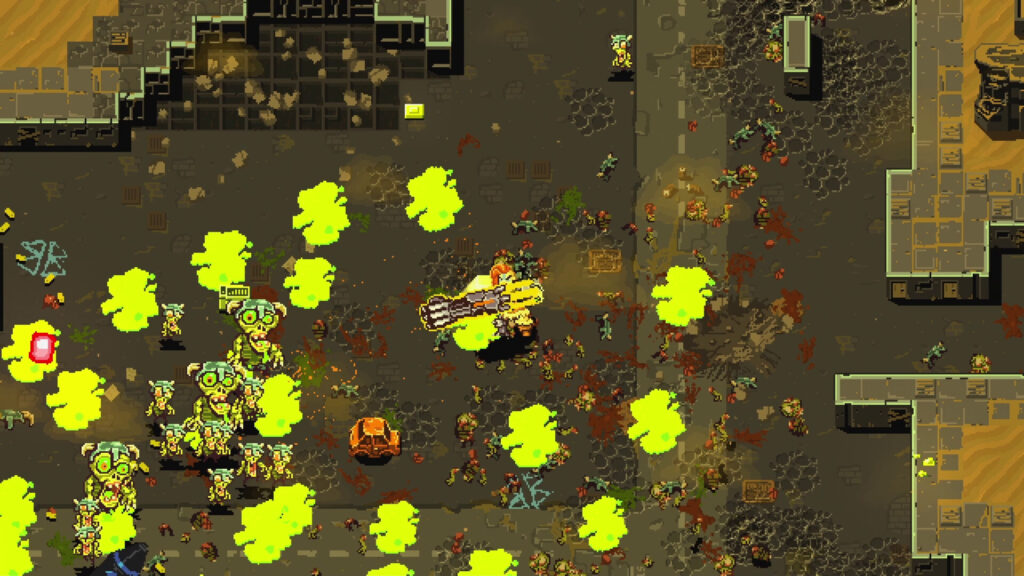
- Windows 10
- Intel Core i5-2400 or equivalent
- 4 GB of RAM
- Nvidia GeForce GT130 or equivalent
- 500 MB of available storage
An exceedingly low-spec new twin-stick roguelite title, Odinfall has just about everything you could possibly wish for in an Early Access title. Best of all, it's absolutely going to run on anything you could cram it into!
Two Point Museum

- Windows 10 21H1
- 64-bit CPU and OS
- Intel Core i3-8100 / AMD Ryzen 5 1400
- 6 GB of RAM
- Nvidia GeForce GT 1030 / AMD Radeon RX 560 / Intel UHD 630
- DirectX 11
- 8 GB of available space
One of our favorite management franchises of all time is back with a vengeance. Two Point Museum is easily the best of the three release Two Point titles so far, and it offers an incredible range of activities and gameplay loops to get stuck in. Runs very, very well on a wide range of hardware, to boot!
Sonic X Shadow Generations

A genuinely phenomenal return-to-form for Sonic, this massive upgrade to the 2006 classic shows everyone how it's done. With an Overwhelmingly Positive review rating on Steam, this is the one Sonic game you shouldn't miss out on. And, hey, it's great news that it's going to run on just about any old rig you install it on! Nice!
- Windows 10
- Intel Core i3-2120 / AMD FX-6300
- Nvidia GeForce GTX 550Ti / AMD Radeon HD 5770
- 8 GB of RAM
- 35.3 GB of available storage
Forgive Me Father 2

A direct follow-up to the awesome Forgive Me Father, this sequel is a logical step forward in all the ways that matter. Whereas most cosmic horror games set you up with some fairly ordinary weaponry and make you severely underpowered in the grand scheme of things (as it ought to be in this genre, don't get me wrong), Forgive Me Father 2 outright lets you wield eldritch horrors against other such ilk. Runs amazingly well on low-spec rigs, too.
- Windows 10
- Intel Core i5 / AMD Ryzen 3
- Nvidia GeForce GTX 970
- DirectX 11
- 3 GB of available storage
Edge of Sanity
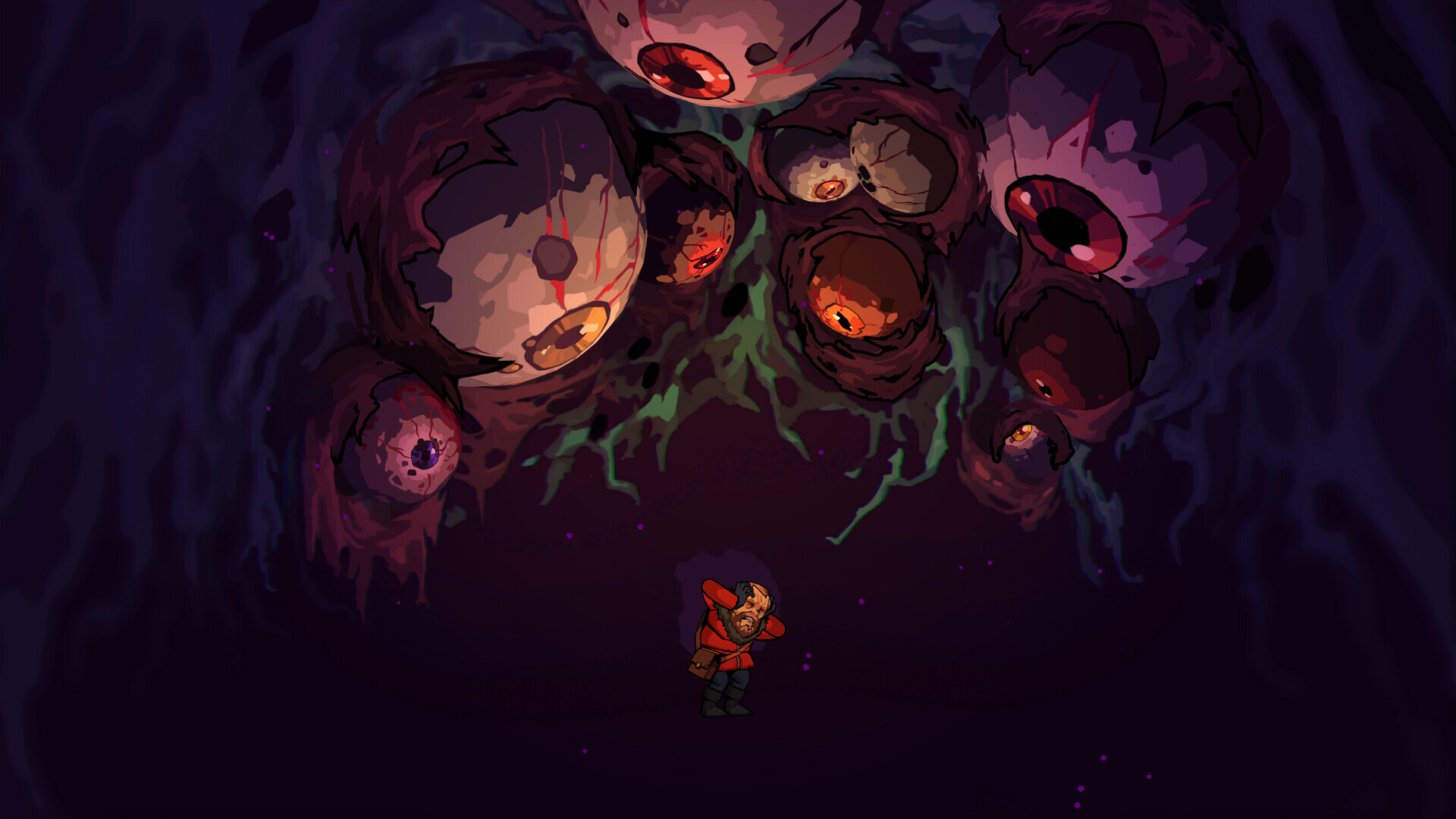
An astonishigly spooky side-scrolling survival game, Edge of Sanity takes place in a remote Alaskan wilderness that's actively being mutated by an ominous presence. Combining classic Lovecraftian tropes with the more modern Vandermeerian Area X goodness, Edge of Sanity runs on anything and everything, and it gets the heart pumping.
- Windows 10
- 2.0 GHz CPU
- DirectX-compatible GPU
- 4 GB of RAM
- 1 GB of available storage
Conscript

One of the finest horror games to have released in 2024, Conscript re-envisions the classic WW1 aesthetic as a source of sheer terror. This game is like Resident Evil without any zombies or, say, supernatural elements. Instead, it's just you, your guns, and the front, and it is bad. Good thing, though, that Conscript runs on anything and everything!
- Windows 10
- Intel Core 2 Duo E4400 / AMD Athlon 64 X2 Dual Core 6400+
- Nvidia GeForce GT 1030 / AMD Radeon HD 5970
- 4 GB of RAM
- DirectX 9.0
- 1 GB of available storage
Kunitsu-Gami: Path of the Goddess
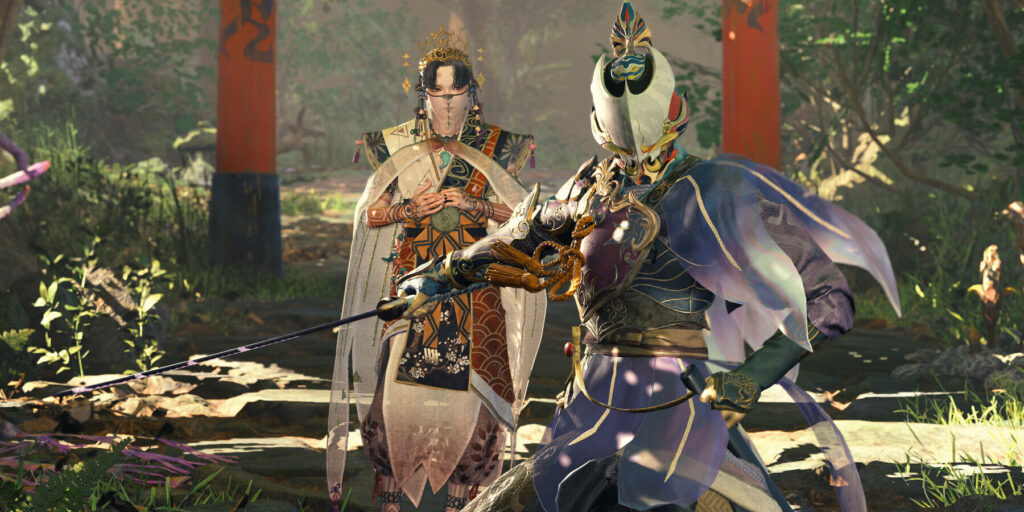
An unexpectedly awesome combination of the hack 'n' slash and tower defence genres from Capcom, Kunitsu-Gami also ended up being a delightfully performant game, to boot. We spent most of our time with it on the Steam Deck, in fact, where the only real drawback was poor battery life. Good thing, then, that this isn't a concern on your desktop PC!
- Windows 10 64-bit
- Intel Core i5-7500 / AMD Ryzen 3 1200
- Nvidia GeForce GTX 1050Ti / AMD Radeon RX 560
- 8 GB of RAM
- DirectX 12
- 16 GB of available space
Norland
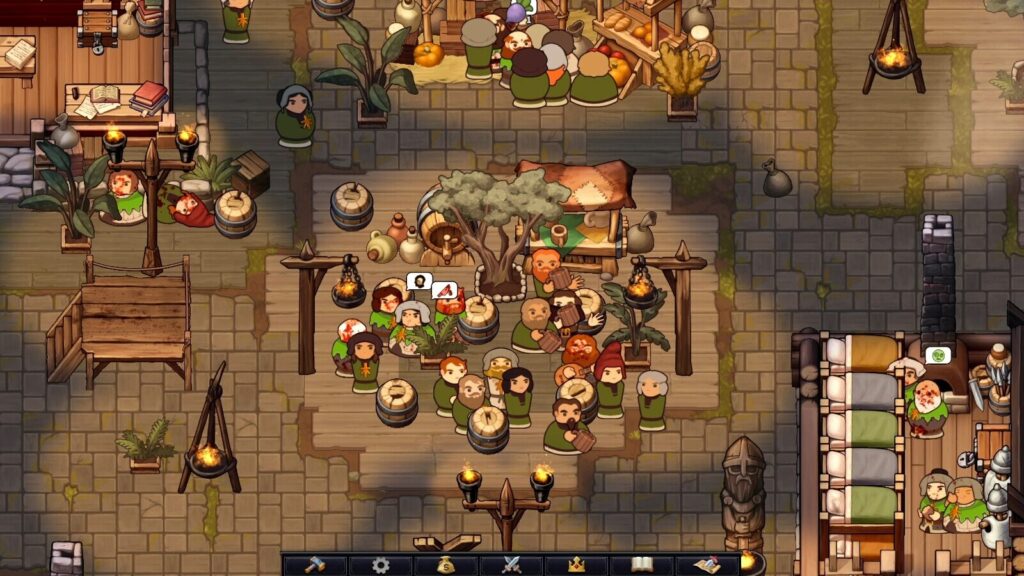
Now, to be perfectly fair, Norland can get quite heavy as you approach its endgame and build out a pointedly oversized medieval colony just for the heck of it. For the vast, vast majority of gameplay, though, Norland is a perfect match for some truly sordid PCs, going all the way back to Nvidia's humble GTX 550Ti for its minimum spec requirements! Now that's what we like to call impressive.
- Windows 10 64-bit
- Intel Core i5-4570T / AMD FX-9590
- Nvidia GeForce GTX 550Ti / AMD Radeon R9 270X
- DirectX 10
- 1 GB of available space
Subterrain: Mines of Titan
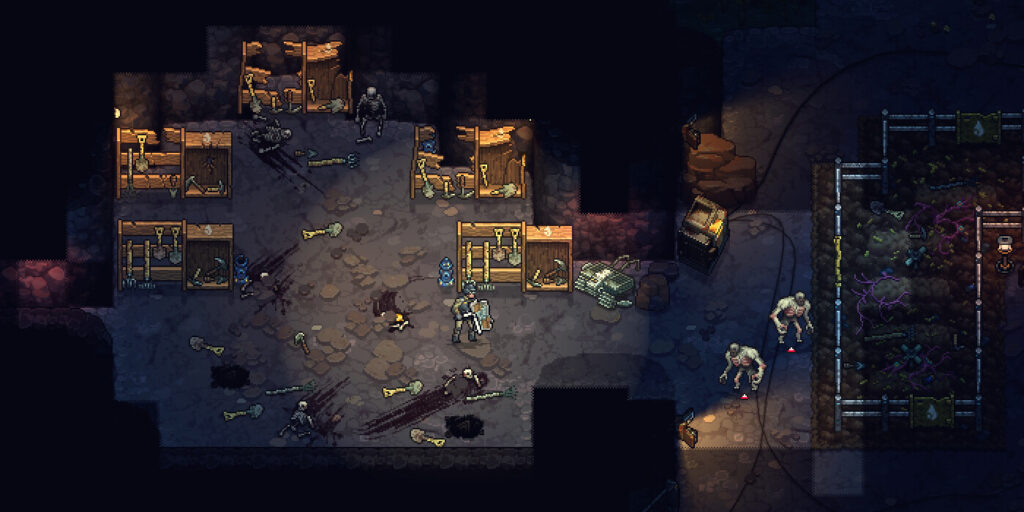
Subterrain: Mines of Titan is a relatively major step away from the original Subterrain's real-time true top-down view survival horror into a turn-based ordeal, but it pans out all the same. An Early Access experience (for the time being), Mines of Titan still has a long way to go, but we recommend it for the spooks all the same!
- Windows 10
- 3.0 GHz quad-core CPU
- DirectX 10-compatible GPU
- 8 GB of RAM
- DirectX 10
- 500 MB of available storage
Slave Zero X

An astonishingly phenomenal 2.5D beat 'em up reviving an ancient and niche franchise, Slave Zero X is the way to go if you love the usual assortment of character action games, like Devil May Cry. Slave Zero X is also a biopunk experience, shoving players knee-deep into cutting up amalgamations of flesh and machine the likes of which even Evangelion wouldn't be ashamed of. Do we recommend it? Hell yeah!
- Windows 10 64-bit
- Intel Core i3-2100 / AMD FX 6300
- Nvidia GeForce GTX 650
- 8 GB of RAM
- DirectX 11
- 6 GB of available storage
Jujutsu Kaisen Cursed Clash

One of Bandai Namco's latest anime-themed 3D combat games, Jujutsu Kaisen Cursed Clash is a thrilling exercise in character action, all the while performing phenomenally well on low-end rigs. For those who are in the mood for high-octane punch 'em-up action that'll work on your grandpa's '90s gaming rig, this is the ticket.
- Windows 10 64-bit
- Intel Core i3-2125 / AMD Phenom II X4 965
- Nvidia GeForce GTX 660Ti / AMD Radeon RX 560/ Intel Arc A380
- 4 GB of RAM
- DirectX 11
- 10 GB of available storage
Monster Hunter Rise

A classic adventure game, the Monster Hunter series always guarantees a great time, and Rise is nothing short of incredible. What makes it particularly interesting for us today, though, is the fact that this is a Nintendo Switch port video game. Naturally, it's been spruced up a fair bit for its PC release, but it's still effectively a native-level port of a decidedly low-spec experience. What this means is that it's going to run flawlessly on some really old hardware.
- Windows 10 64-bit
- Intel Core i3-4130 / AMD FX-6100
- Nvidia GeForce GT 1030 / AMD Radeon RX 550
- 8 GB of RAM
- DirectX 12
- 23 GB of available storage
Expeditions: Rome

For most players, Expeditions: Rome came a bit out of the left-field because the Expeditions series never got much in the way of mainstream attention. The thing is, though, that this is a downright phenomenal adventure RPG strategy game, the likes of which you'll find nowhere else. One of the best games in its genre, even though most of the pre-release hype centered around the game's turn-based strategy features, Expeditions: Rome isn't as close to being an XCOM close as we thought it might be. Expeditions: Rome is an awesome game with RPG elements that's easy on the hardware, making it a top choice for this list of quality low-spec games.
- Windows 7 64-bit
- Intel Core i5-4690K / AMD FX-8350 X8
- Nvidia GTX 960 / AMD R9 380
- 8 GB of RAM
- DirectX 11
- 30 GB of available storage
Grow: Song of the Evertree

In Song of the Evertree, players are tasked with planting magical worlds and then growing them to their fullest extent. This premise of nurturing something is amped up to its limit in this game, as there's not much in the way of combat to speak of.
- Windows 7
- Intel Core i5-2300 / AMD FX-4350
- Nvidia GeForce GTS 450 / AMD R7 240
- 4 GB of RAM (6 GB if playing on Windows 10 and upwards)
- DirectX 11
- 4 GB of available storage
Indie & Early Access Low Spec PC Games
BALL x PIT

Already earning Overwhelmingly Positive reviews on Steam, this brick-smashing, ball-bouncing, base-building roguelite is a knockout. Truly, it's awesome. And the best part? You can ricochet balls to take out enemies, gather loot, expand your settlement, and recruit unique heroes, all without the need for a high-end PC.
- Windows 10 64-bit
- Intel Core i5-2500K / AMD Athlon X4 860K
- 8 GB RAM
- GeForce GTX 750 / Radeon R7 260X
- 600 MB of available storage
Strange Horticulture

The best way we've seen Strange Horticulture described so far, is that it's Papers, Please with plants. Indeed, this puzzle/adventure game is all about managing your plants and handling the requests of whatever NPCs might drop by your shop at a given time. What can we say, it's a brilliant game!
- Windows 7
- 2.4 GHz CPU
- 512 MB VRAM GPU
- 1 GB of RAM
- 1 GB of storage
Hidden Deep

An early access horror sidescroller, Hidden Deep may as well be a land-based offshoot of Barotrauma, for what that's worth. Here, players are in control of a small security team that manages defensive operations for a large digging company. Predictably, the underground tunnels quickly become infested with a whole bestiary of forgotten horrors, making this one of the top low-end PC survival games.
- Windows 7
- Intel Core 2 Duo E7400
- Intel HD Graphics 3000
- 4 GB of RAM
- DirectX 9
- 1 GB of storage
One-Hand Clapping

Here's a weird one! One-Hand Clapping will run on downright ancient PCs, sure, but the kicker is that it's a game about singing, humming, beatboxing, and generally producing sounds. To that end, you're going to be needing a microphone for this one.
- Windows 10
- 2.4 GHz CPU
- 1 GB VRAM GPU
- 4 GB of RAM
- DirectX 11
- 1.5 GB of storage
- Microphone required
Epic Chef

Do you enjoy cooking? Or, at least, the idea of cooking? Well, if so, and if you're on the lookout for decidedly low spec PC games to fiddle around with, consider Epic Chef! This surprisingly funny 3D delight isn't exactly perfect, but it's a hoot to play, and that's what matters the most.
- Windows 10 64-bit
- Intel Core i3-2100 / AMD Phenom II X4 965
- Nvidia GeForce GTX 660 / AMD Radeon HD 7850
- 6 GB of RAM
- DirectX 10
- 3 GB of storage
OlliOlli World

Though there's been a bit of a revival of the skateboarding subculture in video gaming, we still simply can't get enough of it. OlliOlli World is here to help us along, though, as the single most fun and inventive new release of 2022 - so far. Make no mistake here, World is a revamp of almost everything you know about the series, and for the better.
- Windows 10 64-bit
- Dual-core 2.5 GHz CPU
- Intel HD 530 / Nvidia GeForce GT 430 / AMD Radeon HD 5570
- 4 GB of RAM
- DirectX 10.1 / Shader Model 4.1
- 6 GB of storage
Potion Permit

This delightful low-spec life-sim RPG puts you into the shoes of an expert alchemist who suddenly need to integrate with a traditionalist community of villagers. It will run on even the ancient GTS 250, and still look downright phenomenal while doing so.
- Windows 10
- Intel Core i3-2100 / AMD Phenom II X4 965
- Nvidia GeForce GTS 250 / AMD Radeon R7 240
- 6 GB of RAM
- DirectX 10
- 2 GB of storage
Rollerdrome

OlliOlli developers' second 2023 smash hit, Rollerdrome may be an almost entirely different game, but it's just as much fun, and most importantly, it still remembers its low-spec roots. Running this game won't take much juice at all, and its phenomenally athletic combat and innovative gameplay mechanics won't leave anyone hanging.
- Windows 10 64-bit
- Intel Core i5-2125 / AMD A12-9800
- Nvidia GeForce GT 630 / AMD Radeon HD 6770 / Intel Iris Pro 580
- 4 GB of RAM
Serial Cleaners

Does cleaning exceedingly horrific crime scenes sound like a good time? Well, uhhh, if it doesn't, Serial Cleaners will make you reconsider. This game is a real hoot in motion, and it only takes the equivalent of a meager GTX 950 for it to run, making it an excellent choice for this feature.
- Windows 10 64-bit
- 2.6 GHz quad-core CPU
- Nvidia GeForce GTX 950 / AMD Radeon HD 7970
- 8 GB of RAM
- DirectX 11
- 6 GB of available storage
Teenage Mutant Ninja Turtles: The Cowabunga Collection

Imagine getting to play thirteen classic Teenage Mutant Ninja Turtles games from Konami for less than the price of one modern game. Oh, wait, you don't have to imagine, and you don't even need to have a PC from this decade to enjoy it!
- Windows 10 64-bit
- 3 GHz CPU
- 1 GB VRAM GPU
- 4 GB of RAM
- DirectX 11
- 12 GB of storage
Yes, you can game on old hardware, too!
And there you go, that's what 2022 (and late 2021) has had for us so far in terms of the best low-spec games. Now, the important bit to remember is that we'll keep this article updated through 2022. Possibly even beyond, if worse comes to worst. After all, the sheer supposed ridiculousness of the upcoming RTX 4000 and AMD's own RDNA 2 architectures isn't worth all that much if you can't buy it in the first place, no?
So, if you, too, are stuck with out-of-date hardware that just can't handle all the latest games, here's a list of titles that you can play with minimum fuss.
If you'd like to check out some of our older low-spec content, here's a shortlist:
- Low-Spec PC Optimization Guide
- Best Low-End PC Games of 2020
- Best Low-End PC Games of 2021
- Top Low-Spec Multiplayer Games, Hotseat or Not
Stay tuned for lots more on this topic, of course, but we're keeping track of cutting-edge PC gaming developments, too! Find out more at the 2Game Community Hub!
Low-spec, but not low-end.
 English
  German
  French
  Portuguese
  Spanish
  Polish
  Dutch
Dutch