Borderlands 4 Region Boss Drops: Vile Lictor, Idolator Sol, and Callis Loot
Getting Legendary loot via Gearbox-provided Golden Keys is good and all, but let's be honest: that should never be your primary source of gear in Borderlands 4. Instead, this game is the single most user-friendly Borderlands we've ever seen when it comes to boss farming, and you can very easily target-farm whichever Legendary weapon you might be interested in. Heck, you might even squeeze out a Phosphene piece of kit every so often! That's where Borderlands 4's Region Boss encounters come into the picture, with drops from Vile Lictor, for example, being particularly interesting.
Borderlands 4 has three major Region Bosses ahead of its final Timekeeper fight: Vile Lictor, Idolator Sol, and Callis, the Ripper Queen. Down below, we've assembled a comprehensive loot table for each of these fights, and given you a few tips and tricks on how to get as much usable gear out of them as possible. Have fun!
Save up to 32% on Borderlands 4 using code ‘5OFF‘
All Borderlands 4 Region Boss Loot Tables

Borderlands 4 Idolator Sol Loot Drops
Likely the first Region Boss you'll have to deal with in Borderlands 4, Idolator Sol is a relatively straightforward fight that nevertheless delivers a thrilling and dynamic, mechanic-heavy encounter with some sweet loot as the carrot-on-stick to keep coming back to it. Here's the gear you might get from Idolator Sol in Borderlands 4:
| Goremaster | Legendary Shotgun | +30% damage to enemies under 30% of their total health. |
| Golden God | Legendary Shotgun | Upon overheating, the Golden God's Bullet Forge doesn't break, but continues consuming more and more ammo instead. |
| Onslaught | Legendary SMG | 30% chance for every fired round to deal extra DMG and not consume any ammo. |
| Dancer | Legendary Rafa Class Mod | +100% Overdrive bonus; Overdrive ends when your Action Skill ends. |
| Furnace | Legendary Amon Class Mod | Adds Incendiary effects to Fellfrost, Hoarcleave, Fulminating Fist, and Stormcutter abilities. |
| Technomancer | Legendary Vex Class Mod | Adds extra Ordnance damage to Eldritch Blast; kills reset the cooldown. |
| Bio-Robot | Legendary Harlowe Class Mod | Adds an alternating Cryo and Radiation hazard effect to Entanglement. |
From our testing, we've come to believe that there's about 10% chance for Idolator Sol to drop a Legendary item upon his death, and you can keep farming him for as long as it takes using the handy Moxxi Encore stations just outside the arena.
With that in mind, an obvious point of concern here is that each Legendary item comes with a bevy of secondary stats, parts, and attachments that you may or may not like the look of. In other words, even when you finally do get that Onslaught, it's possible you might want to keep farming for a different roll. That's just how it is!

Borderlands 4 Callis, the Ripper Queen Loot Drops
Ideally the second Region Boss you come across in Borderlands 4, Callis is an impressive cyborg monstrosity that you'll quickly learn to hate on. Her loot drops, though, may end up being some of your favorites:
| Queen's Rest | Legendary Pistol | Rounds fly out faster; instances of damage have a 30% chance to spawn a homing sticky projectile. |
| Pandoran Memento | Legendary Shield | When damaged, you get +15% elemental resistance and +50% additional resistance to the last type of damage that you received. |
| Esgrimidor | Legendary Rafa Class Mod | Melee attacks get an additional 10% Crit Chance; Crit attacks with melee attacks restore an additional 5% of Rafa's Action Skill duration. |
| Viking | Legendary Amon Class Mod | Adds 2 extra charges to the Crucible, increases its duration, and grants Amon bonus Damage Reduction while the Crucible is active. |
| Illusionist | Legendary Vex Class Mod | Specters and Reapers can spawn as Badass mobs; this effect will apply at least once every 90 seconds. |
| Skeptic | Legendary Harlowe Class Mod | Whenever Harlowe casts a Slam on a Stasis affected enemy, she fires Radiation and Cryo darts that home-in on other enemies. Shooting enemies with an active Status Effect restores 5% of Harlowe's Action Skill cooldown. |
Callis's Class Mod offerings in particular are going to be interesting to Harlowe and Vex players, though do be warned: her boss fight is a fair bit more... dynamic than that of the other Region Bosses. Still, it's well worth the effort considering just how much more powerful your Vault Hunter might be in the end!

Borderlands 4 Vile Lictor Loot Drops
Finally, arguably the third consecutive Region Boss you should fight (given how the story develops), Vile Lictor comes with his own set of frankly awesome goodies that range from top-notch Legendary Class Mods all the way to Legendary Grenades. There's lots to choose from, really:
| Super Soldier | Legendary Energy Shield | Grants an Overshield when your shield is charging up; upon being fully charged, your Energy Shield grants you additional 25% bonuses to fire rate, movement speed, and ammo regeneration. |
| Blockbuster | Legendary Grenade | MIRV Grenades that split into bouncing micro-MIRVs. |
| Ruby's Grasp | Legendary Pistol | Fires homing micro-rockets upon reload. |
| Instigator | Legendary Rafa Class Mod | Adds a stack of Instigator whenever Rafa's Peacebreakers fire; lose all stacks of Instigator when Peacebreakers fire at a new enemy; Rafa gets +2% Gun Damage for every stack of Instigator active. |
| Blacksmith | Legendary Amon Class Mod | Partially restores all active Forgedrones' duration on kill. Amon gets bonus Gun Damage for each active Forgedrone. |
| Undead Eye | Legendary Vex Class Mod | Sniper Rifle kills trigger Blood Shot; Sniper Rifle Crit Hits have 33% chance to trigger Blood Shot. |
| Generator | Legendary Harlowe Class Mod | Flux Generator activation decreases the remaining Action Skill duration by 50%, but adds 200% of Action Skill power. |
On a final note, when was the last time you backed up your Borderlands 4 character saves? Yeah, we highly recommend you get on that as soon as possible. Y'know - just in case! Better safe than sorry, isn't that right?
Save up to 32% on Borderlands 4 using code ‘5OFF‘
Full list of all Region Boss loot drops found in Borderlands 4, featuring Legendaries and lots more!
Code Vein 2 Multiplayer? Here’s What We Know
Code Vein II drops January 30, 2026, for PS5, Xbox Series X|S, and PC, and the hype is real. New world, new story, time-warping twists, and that trademark anime-inspired chaos we all love. But let's address the elephant in the room: Code Vein 2 multiplayer — or, well… the apparent current lack of it. What's the deal, and how much does it matter?
Pre-Order CODE VEIN II Deluxe Edition @ 2Game Today!
Single-Player, Front and Center

As of now, the Steam page lists Code Vein II as single-player only. That’s right — no online co-op, no summoning buddies to tackle bosses with, nada. For some, that’s no biggie. For others, especially fans of the first game’s multiplayer, it’s a punch to the gut.
Sure, the original game’s online system could be clunky and frustrating at times, but it was also insanely fun. Customizing your own Revenant, showing it off, teaming up to fight impossible bosses — it’s the stuff that kept many coming back. Would no multiplayer be a deal-breaker, though? Hell no, and here’s why.
A New World That’s Still Wild

Multiplayer or not, there’s still plenty to geek out about. Code Vein II drops you into a brand-new world where humans and Revenants coexist — until the Luna Rapacis shows up and turns everyone into Horrors. You play as a Revenant hunter armed with deadly skills and backed by Lou, a girl who can literally bend time.
Here’s some of what you can get excited about:
- Build like a mad scientist: Mix weapons, Blood Veils, and skills to craft the combat style you love.
- Drain and wield enemy blood: Unleash flashy combos and devastating skill chains.
- Explore time-shifting environments: Uncover secrets and reshape the world as you hop between past and present.
- AI partners that matter: Part of the single-player experience, they fight smart, boost your abilities, and have story-driven connections that actually feel meaningful.
Yes, you may be flying solo (at least for now), but who needs friends when combat is so creative, energetic, and rewarding? Every encounter keeps you on your toes, every boss fight feels like a mini puzzle, and experimenting with skills and builds will be sure to entertain you for hours.
Could Code Vein 2 Multiplayer Still Happen?

Now that’s the million-dollar question. Steam pages change, updates roll out, and while Bandai Namco hasn’t confirmed or denied multiplayer support, they haven’t shut the door either — leaving room for speculation and hope among fans.
Would adding multiplayer crank the fun factor even higher? Absolutely. Is it a deal-breaker for the game? Not at all. There’s plenty here to enjoy solo, from time-bending battles to creative build experiments. And honestly… even flying solo, taking down massive Horrors with your custom skills and time-warping combos looks like one wild ride you won’t want to miss.
Keep an eye on this one, and we'll be sure to update you the moment any news drops.
Pre-Order CODE VEIN II Ultimate Edition @ 2Game Today!
Will it happen, and does it matter?
Is the Vampire: The Masquerade – Bloodlines 2 Premium Edition Worth It?
So, you’re waking up from a hundred-year nap, rubbing your eyes (well, the vampire alternative), and suddenly Seattle isn’t quite the city you remember. The streets are darker, the nights are longer, and there’s a stranger in your head. That’s Fabien, a vampire detective who’s apparently decided you need a guide to survive the 21st century. Welcome to Vampire: The Masquerade – Bloodlines 2.
It’s neo-noir. It’s bloody. And it’s the sequel we’ve been waiting for. But now you’re staring at the edition choices: Standard, Deluxe, Premium… and the big question hits: Is the Vampire: The Masquerade – Bloodlines 2 Premium Edition Worth It? And that's where we come in.
What You Get in Each Edition

Here’s the lowdown on what each edition offers:
- Standard Edition
- Base game only. You’re the Nomad. You explore, you feed, you scheme, you fight. All the core chaos of vampire life in Seattle is yours. No frills, just raw, visceral vampiric action.
- Deluxe Edition
- Adds the Santa Monica Memories cosmetic pack. Fancy your vampire lair a bit? This is the edition that says, “Yes, I like my coffin with a touch of flair.”
- Premium Edition
- The full-on “I’m committing to this vampire life” experience. You get:
- Base game + Santa Monica Memories
- Expansion Pass including:
- Loose Cannon – follow Brujah Sheriff Benny on his chaotic escapades (Q2 2026)
- The Flower & The Flame – dive into Toreador Ysabella’s scheming world (Q3 2026)
- The full-on “I’m committing to this vampire life” experience. You get:
Think of the Premium as buying the VIP backstage pass to the world of vampires — more story, more style, more chaos to sink your teeth into over the next year.
So, Is Premium Worth The Extra Bite?

If you’re the type of vampire who wants it all, the Premium Edition is pure indulgence. You’re talking every story expansion, every outfit, every twist that drips from Seattle’s dark underbelly. Loose Cannon lets you follow Brujah Sheriff Benny on his chaotic escapades, The Flower & The Flame dives deep into Toreador Ysabella’s scheming, and the Santa Monica Memories pack gives your vampire lair that perfect touch of style while you hunt the city streets. It’s basically the ultimate VIP pass to all the drama, intrigue, and secrets Bloodlines 2 has to offer.
Having said that, you don’t need Premium to enjoy the full vampire experience. All playable clans, including fan favorites Lasombra and Toreador, are part of the base game. That means Standard gives you the main story, the city, the combat, and all the intrigue, while Deluxe adds a cosmetic flair. And since the story packs won’t drop until 2026, you could dive into the main campaign now and decide later if the expansions are worth the extra bite.
To sum it up: go Premium if you want the full buffet of content, style, and long-term immersion. Stick with Standard or Deluxe if you just want the main course, which is already a feast of vampiric chaos. Either way, the nights are long, the city is dangerous, and every choice echoes through Seattle’s shadows. Premium just gives you a few more ways to make mischief… and a little extra flair while doing it.
Which edition should you get?
Digimon Story: Time Stranger Digivolution Guide – How to Shape Your Perfect Squad
When you fire up Digimon Story: Time Stranger, it’s immediately clear this isn’t your run-of-the-mill “grind EXP, hit evolve, call it a day” RPG — and that’s because the Digivolution system is the beating heart of the game. Every choice branches into new possibilities, shaping not just the raw power of your Digimon, but their personality and long-term potential too.
That’s where this Digimon Story: Time Stranger Digivolution guide comes in. No walls of math, no dry stat dumps — just a clear look at how the system works, why stepping backwards with De-Digivolution can be your secret weapon, and how to steer your Agumon, Patamon, or whichever partner you love most into a full-fledged, monster-slaying legend.
Get Your Discounted Copy of Digimon Story Time Stranger Deluxe Edition @ 2Game Today!
What the Digimon Story: Time Stranger Digivolution Actually Is

At its core, Digivolution in Time Stranger is about pushing your Digimon into a stronger form. That means:
- Higher Talent (level cap raised).
- 10% of previous stats added to cumulative growth.
- Fresh skills and new attachment abilities that can be equipped or shared.
Unlike older Digimon RPGs where you had to schlep back to a lab, Time Stranger keeps it simple: open your menu, hit Digivolution, pick a form, and boom — flashy animation, new power unlocked.
But here’s the kicker: Digivolution isn’t just “Rookie → Champion → Ultimate → Mega.” Each Digimon can branch into multiple possible forms. Your Koromon might become Agumon, Dracomon, or another Rookie entirely, depending on stats, Agent Rank, and even personality alignment. There are no straight lines here — just a creative playground.
Requirements: How to Unlock That Shiny New Form

Every Digivolution has conditions, and they’re stricter than you might expect:
- Stat Checks: Your Digimon must hit specific stat thresholds (HP, ATK, SPD, etc.). Equipment bonuses don’t count.
- Agent Rank: Your own rank as a tamer determines how far you can push Digivolution. Rank up by completing quests and story progress. No shortcuts here.
- Personality Types: Some forms demand a matching personality. You can tweak this slightly with chats and items, or fully reshape it in the Digifarm.
For example, want Agumon to become Greymon? You’ll need at least 1100 HP and an Agent Rank of 3. There's no cheesing your way into an overpowered Mega at hour five.
Why De-Digivolution Is Secretly the Power Move

If Digivolving is the shiny reward, De-Digivolving is the grindy hack that makes your team absurdly strong. When you roll a Digimon back into a lower form, here’s what happens:
- They keep their Talent (level cap stays higher).
- They keep their cumulative stat boosts (the blue numbers).
- They keep their Bond with you.
That means you can cycle through forms, boosting stats again and again until your Rookie-level Digimon hits the battlefield with the kind of numbers normally reserved for Ultimates.
For example, De-Digivolve Agumon into Koromon, then train SPD and ATK. From there, Koromon can branch into Dracomon, and that Dracomon will carry over everything Agumon had built up. It’s basically min-maxing baked right into the story.
The Digifarm: Training, Personalities, and Patience

This is where long-term strategy lives. The Digifarm lets Digimon train off-field, boosting stats and shifting personalities over time.
Want a bruiser? Send them into a Punching Bag course to pump ATK. Need speed? Different courses push SPD and change their personality alignment.
The catch: training happens in real time, only while the game is open. You can multitask, leave the game running, or pay currency to fast-track progress, but, although not essential, if you want full control over your Digimon’s growth, the Digifarm is where the magic happens.
Unusual Digivolution Types You Don’t Want to Miss

Not every Digivolution follows the standard ladder. Rather, Time Stranger spices things up with:
- DNA Digivolution: Fuse two Digimon into one mega-monster like Omnimon. Both must meet requirements.
- Armor Digivolution: Requires special Digi-Eggs. For instance, Armadillomon + Digi-Egg of Knowledge = Digmon.
- Spirit Digivolution: Unlocks unique forms like Agunimon via spirit items, and some even allow mode changing between forms.
These special paths make side quests and rare items feel genuinely worthwhile.
Why the Digimon Story: Time Stranger Digivolution System Hits Different

What makes Digimon Story: Time Stranger’s Digivolution system shine is the mix of player control and Digimon identity. You’re not just grinding EXP — you’re shaping your partners, cycling forms, tweaking stats, and guiding their growth until they’re exactly what you envisioned.
Sure, combat can feel easy once your squad is stacked, but that’s missing the point. The real fun is in the journey. That is, watching a Koromon you’ve raised hit Mega, stats boosted from multiple De-Digivolutions, is satisfying in a way few monster-raising games capture.
In the end, whether you’re here for nostalgia-fueled Greymon fireballs or full-on stat-crunching min-maxing, the system rewards you. And if there’s one takeaway from this Digimon Story: Time Stranger Digivolution guide, it’s this: don’t be afraid to take a step backwards. Just like those old Tamagotchi beeps taught us, sometimes the tiniest form has the biggest future.
Get Your Discounted Copy of Digimon Story Time Stranger Deluxe Edition @ 2Game Today!
The beating heart
2Game September Sale – 2K and Hooded Horse Highlights
September’s done and dusted, but the sale rages on! This time it’s a clash of eras: on one side, the blockbuster veterans at 2K, whose games have defined genres and dominated charts for decades. On the other hand, the scrappy challengers at Hooded Horse, a publisher carving out a name in the strategy and simulation scene with bold, brainy, and endlessly replayable titles.
Big-budget legends vs. innovative indies—both with prices too good to ignore. Let’s see what each side is bringing to the table for the 2Game September Sale.
2K Highlight Deals – Blockbuster Legends at Bargain Prices

2K is the gaming equivalent of a heavyweight champ—BioShock, Mafia, Civilization, XCOM… these aren’t just games, they’re icons. Whether you crave cinematic storytelling, in-depth strategy, or superhero strategy showdowns, 2K’s catalog has the scale and swagger to keep you hooked. And with discounts this sharp, the veterans are making sure they don’t lose their crown:
- BioShock: The Collection - 80% off
- LEGO® 2K Drive - 60% off
- Mafia: Trilogy - 80% off
- Marvel's Midnight Suns Legendary Edition - 80% off
- XCOM: Ultimate Collection - 87% off
- Sid Meier’s Civilization® VI - 90% off
Hooded Horse Highlight Deals – The Challenger’s Move

Hooded Horse might not have decades of history behind them, but they’ve quickly become the go-to publisher for strategy diehards. Instead of bombastic cutscenes and glossy Hollywood vibes, their games are all about systems, depth, and obsession-worthy mechanics. From the much-hyped Manor Lords to the unique ant-scale battles of Empires of the Undergrowth, Hooded Horse proves the underdog can steal the spotlight:
- Cataclismo - 35% off
- Empires of the Undergrowth - Exploding Ants - 23% off
- Manor Lords - 35% off
- Norland - 35% off
- Xenonauts 2 - 35% off
Don’t Miss Out!

The September Sale’s extra time is ticking away, and this might be your only shot to grab these deals before they’re gone. Will you side with the veteran champions at 2K, or throw your weight behind the hungry challengers at Hooded Horse?
Either way, you win—because these are some of the best PC gaming discounts of the season. Enjoy!
The 2Game September Sale – Save up to 95% across the galaxy of PC gaming!
Don’t miss these deals!
Xbox Game Pass Gets Major Overhaul: Ultimate, Premium, And Essential Plans Explained
As you're very well aware by now, Xbox has sent out one of the biggest changes to Xbox Game Pass since its 2017 launch. The subscription service has been completely restructured into three distinct tiers, and the updates affect everything from pricing to game libraries. If you've been wondering what happened to your subscription, we've got you covered with everything you need to know about these changes.
What's Changed With Xbox Game Pass?
Microsoft is overhauling the entire Xbox Game Pass structure with three new plans: Essential, Premium, and Ultimate. The company says this shift is designed to offer more flexibility and choice, meeting players where they are rather than forcing everyone into a one-size-fits-all model.
If you're currently subscribed, here's what happens. Core subscribers automatically move to Essential, Standard subscribers transition to Premium, and Ultimate members stay in the Ultimate tier. The transition is automatic, so you don't need to do anything on your end.
Check out the full Xbox Game Pass repertoire @ 2Game!

Xbox Game Pass Ultimate: The Premium Experience
Ultimate has received what Microsoft calls its biggest upgrade yet, and they're not exaggerating. At $29.99 per month, Ultimate now includes access to over 75 day one releases annually. That's a massive library that includes highly anticipated titles like Call of Duty: Black Ops 7, High on Life 2, Keeper, Ninja Gaiden 4, and The Outer Worlds 2.
The library now exceeds 400 Xbox Game Pass Ultimate games playable across console, PC, and cloud. Today's update alone added more than 45 new titles, including hits like Blue Prince, Clair Obscur: Expedition 33, and Hollow Knight: Silksong.
Here's the full list of all new games coming to XGP Ultimate as of today:
- Hogwarts Legacy (Cloud, PC, and Console)
- Assassin’s Creed II (PC)
- Assassin’s Creed III Remastered (Cloud, PC, and Console)
- Assassin’s Creed IV Black Flag (Cloud, PC, and Console)
- Assassin’s Creed IV Black Flag: Freedom Cry (PC)
- Assassin’s Creed Brotherhood (PC)
- Assassin’s Creed Chronicles: China (Cloud, PC, and Console)
- Assassin’s Creed Chronicles: India (Cloud, PC, and Console)
- Assassin’s Creed Chronicles: Russia (Cloud, PC, and Console)
- Assassin’s Creed Liberation HD (PC)
- Assassin’s Creed Revelations (PC)
- Assassin’s Creed Rogue Remastered (Cloud, PC, and Console)
- Assassin’s Creed Syndicate (Cloud, PC, and Console)
- Assassin’s Creed The Ezio Collection (Cloud and Console)
- Assassin’s Creed Unity (Cloud, PC, and Console)
- Child of Light (Cloud, PC, and Console)
- Far Cry 3 (Cloud, PC, and Console)
- Far Cry 3 Blood Dragon (Cloud, PC, and Console)
- Far Cry Primal (Cloud, PC, and Console)
- Hungry Shark World (Cloud, PC, and Console)
- Monopoly Madness (Cloud, PC, and Console)
- Monopoly 2024 (Cloud, PC, and Console)
- OddBallers (Cloud, PC, and Console)
- Prince of Persia The Lost Crown (Cloud, PC, and Console)
- Rabbids Invasion: The Interactive TV Show (Cloud and Console)
- Rabbids: Party of Legends (Cloud, PC, and Console)
- Rayman Legends (Cloud, PC, and Console)
- Risk Urban Assault (Cloud and Console)
- Scott Pilgrim vs. The World: The Game (Cloud, PC, and Console)
- Skull and Bones (Cloud, PC, and Xbox Series X|S)
- South Park: The Stick of Truth (Cloud, PC, and Console)
- Starlink: Battle for Atlas (Cloud, PC, and Console)
- Steep (Cloud, PC, and Console)
- The Crew 2 (Cloud, PC, and Console)
- The Settlers: New Allies (Cloud, PC, and Console)
- Tom Clancy’s Ghost Recon Breakpoint (Cloud, PC, and Console)
- Tom Clancy’s Rainbow Six Extraction (Cloud, PC, and Console)
- Tom Clancy’s The Division (Cloud, PC, and Console)
- Trackmania Turbo (Cloud, PC, and Console)
- Transference (Cloud and Console)
- Trials Fusion (Cloud, PC, and Console)
- Trials of the Blood Dragon (Cloud, PC, and Console)
- Trials Rising (Cloud, PC, and Console)
- Uno (Cloud, PC, and Console)
- Valiant Hearts: The Great War (Cloud, PC, and Console)
- Watch_Dogs (Cloud, PC, and Console)
- Wheel of Fortune (Cloud and Console)
- Zombi (Cloud, PC, and Console)
Is Ultimate worth the asking price?
The real game-changer here is the addition of Fortnite Crew and Ubisoft+ Classics. Starting November 18, Ultimate subscribers get Fortnite Crew included, which normally costs $11.99 per month by itself. This means you're getting the Fortnite Battle Pass, 1,000 V-Bucks monthly, and exclusive cosmetics as part of your subscription.
Ubisoft+ Classics is also now bundled in, valued at approximately $15.98 monthly. This gives you access to a curated selection of Ubisoft titles across console, PC, and cloud, including Tom Clancy's Ghost Recon Breakpoint, Prince of Persia: The Lost Crown, and multiple Assassin's Creed games.
Cloud gaming has also received significant upgrades. Ultimate subscribers now enjoy exclusive access to the highest streaming quality at 1440p with the shortest wait times. Xbox Cloud Gaming has officially exited beta status, marking Microsoft's commitment to smoother, more responsive gameplay.
The rewards program for Ultimate members is equally impressive. You can earn up to $100 per year in the Xbox Store just by playing games. That breaks down to 4x points on purchases of Xbox Game Pass games and add-ons, 10% back in points on select library titles, and up to 20% off select games.

Xbox Game Pass Premium: The Middle Ground
Premium sits comfortably at $14.99 per month and provides access to over 200 games across console, PC, and supported devices. More than 40 new games were added today, and the library now includes timeless favorites like Minecraft, Forza Horizon 5, and Grand Theft Auto V.
One notable addition today is Diablo IV and Hogwarts Legacy, which Premium subscribers can access immediately. The catch with Premium is that new Xbox-published games arrive within a year of launch rather than on day one, and Call of Duty titles are excluded from this tier entirely.
Premium subscribers get unlimited cloud gaming, including the ability to stream select games they already own. You also get in-game benefits for major multiplayer titles like League of Legends, Call of Duty: Warzone, and Tom Clancy's Rainbow Six Siege, instantly unlocking cosmetics, characters, and more.
The rewards program for Premium offers up to $50 per year in store credit, with 2x points on purchases and 5% back on select library titles and add-ons.
Here's the full list of all new games coming to XGP Premium as of today:
- 9 Kings (Game Preview) (PC)
- Abiotic Factor (Cloud, PC, and Xbox Series X|S)
- Against the Storm (Cloud, PC, and Console)
- Age of Empires: Definitive Edition (PC)
- Age of Empires III: Definitive Edition (PC)
- Age of Mythology: Retold (Cloud, PC, and Xbox Series X|S)
- Ara: History Untold (PC)
- Arx Fatalis (PC)
- Back to the Dawn (Cloud, PC, and Console)
- Battletech (PC)
- Blacksmith Master (Game Preview) (PC)
- Cataclismo (PC)
- Cities: Skylines II (PC)
- Crime Scene Cleaner (Cloud, PC, and Xbox Series X|S)
- Deep Rock Galactic: Survivor (Cloud, PC, and Xbox Series X|S)
- Diablo (PC)
- Diablo IV (PC and Console)
- An Elder Scrolls Legends: Battlespire (PC)
- The Elder Scrolls Adventures: Redguard (PC)
- Fallout (PC)
- Fallout 2 (PC)
- Fallout: Tactics (PC)
- Football Manager 2024 (PC)
- Frostpunk 2 (Cloud, PC, and Xbox Series X|S)
- Halo: Spartan Strike (PC)
- Hogwarts Legacy (Cloud, PC, and Console)
- Manor Lords (Game Preview) (PC)
- Minami Lane (Cloud, PC, and Console)
- Minecraft: Java Edition (PC)
- Mullet Madjack (Cloud, PC, and Xbox Series X|S)
- My Friendly Neighborhood (Cloud, PC, and Console)
- One Lonely Outpost (Cloud, PC, and Console)
- Quake 4 (PC)
- Quake III Arena (PC)
- Return to Castle Wolfenstein (PC)
- Rise of Nations: Extended Edition (PC)
- Senua’s Saga: Hellblade 2 (Cloud, PC, and Xbox Series X|S)
- Sworn (Cloud, PC, and Xbox Series X|S)
- Terra Invicta (Game Preview) (PC)
- Volcano Princess (Cloud, PC, and Console)
- Warcraft I: Remastered (PC)
- Warcraft II: Remastered (PC)
- Warcraft III: Reforged (PC)
- Wolfenstein 3D (PC)

Xbox Game Pass Essential: Entry-Level Access
Essential replaces the old Core plan at $9.99 per month. This tier now includes unlimited cloud gaming, online multiplayer, in-game benefits, and a curated catalog of 50+ games playable on both console and PC.
The Essential library features standout titles like Hades, Cities: Skylines – Remastered, Stardew Valley, and Warhammer 40,000: Darktide. All of these are now fully playable on PC, which is a significant upgrade from the previous Core offering.
Essential subscribers can earn up to $25 per year through the rewards program, plus earn points on purchases of games and add-ons. While it's the most basic tier, it's still a solid entry point for casual players or those just getting started with Xbox.
Here's the full list of all new games coming to XGP Essential as of today:
- Cities: Skylines Remastered (Cloud and Xbox Series X|S)
- Disney Dreamlight Valley (Cloud, PC, and Console)
- Hades (Cloud, PC, and Console)
- Warhammer 40,000 Darktide (Cloud, PC, and Console)
How Many Games Are Actually In Each Tier?
The numbers break down like this. Ultimate offers 400+ games, Premium provides 200+ games, and Essential features 50+ curated titles. That's a significant difference between tiers, and it's worth considering how many games you realistically have time to play before committing to a higher tier.
Ultimate added 45+ Ubisoft titles today alone, including nearly every mainline Assassin's Creed game, multiple Far Cry entries, and cult classics like Scott Pilgrim vs. The World: The Game and Rayman Legends. Premium added classic PC titles like Warcraft I: Remastered, Warcraft II: Remastered, and Age of Empires: Definitive Edition.

PC Game Pass Price Increase Explained
The Ultimate tier jumping to $29.99 per month is a tough pill to swallow, but the math actually checks out when you break down what you're getting. Fortnite Crew alone is $11.99 monthly, and Ubisoft+ Classics adds another $15.98. That's $27.97 in third-party subscriptions bundled into Ultimate before you even count the expanded game library and improved cloud gaming.
For players who were already planning to subscribe to these services separately, Ultimate becomes the obvious choice. For everyone else, Premium at $14.99 offers exceptional value, especially with day-one access to Xbox-published titles within a year of launch.
What Happens If You Don't Want To Upgrade?
The good news is that transitions are automatic. If you're happy with your current service level, you'll move to the equivalent new tier at your current price point. Core becomes Essential at $9.99, Standard becomes Premium at $14.99, and Ultimate stays Ultimate but increases to $29.99.
If you want to switch tiers, you can visit the Xbox Game Pass comparison page to review all the options and make changes to your subscription.

Should You Subscribe To Xbox Game Pass In 2025?
The new structure makes it easier to find the right fit for your gaming habits. Casual players who mainly want online multiplayer and a handful of quality titles will find Essential perfectly adequate. Players who want flexibility and a massive library without needing every game on launch day should look at Premium. And hardcore gamers who want everything, including third-party subscriptions and the best possible experience, will find value in Ultimate despite the higher price.
The addition of cloud gaming across all tiers is a major win, especially for players who want to test games before downloading them or who play across multiple devices. The improved rewards program is also a nice touch, effectively giving you store credit just for playing games you were going to play anyway.
Check out the full Xbox Game Pass repertoire @ 2Game!
Xbox Game Pass gets three new tiers: Essential, Premium, and Ultimate. Learn about pricing, 400+ Xbox Game Pass games, and major updates for 2025.
2Game September Sale – Bandai Namco, 505 Games, and Capcom Highlights
Okay, we know it’s October… but the September Sale just refuses to quit! That means you still get a little extra time to score some of the best publisher discounts of the year. Bandai Namco, 505 Games, and Capcom are all here with massive savings on legendary franchises and fresh releases. Whether you’re slaying monsters, throwing hands in the arena, or diving into mind-bending adventures, this sale’s got something to keep you busy well past September.
Bandai Namco Highlight Deals – Legends, Battles, and Heart-Pounding Adventures
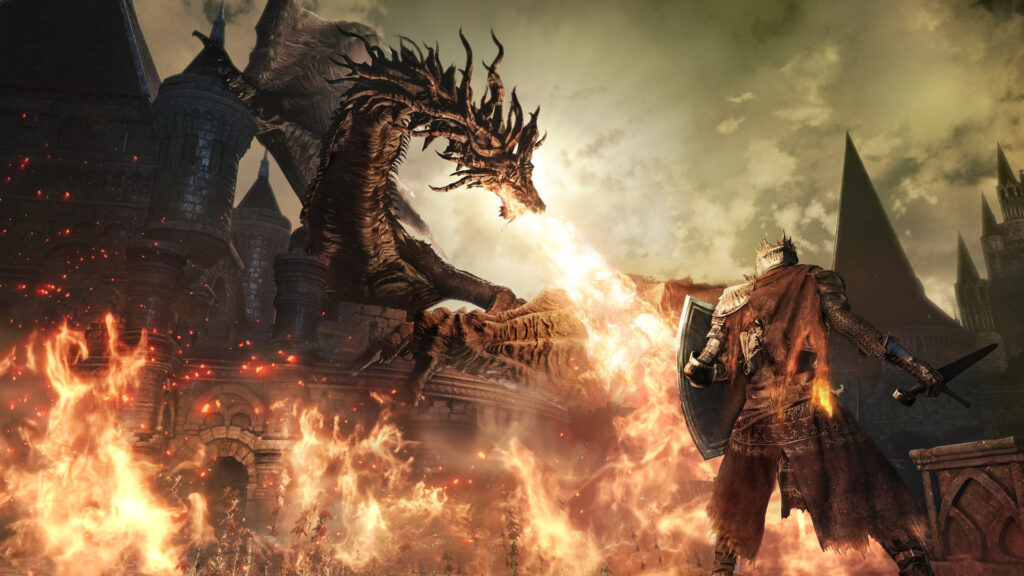
Bandai Namco is bringing anime icons, dark fantasy epics, and fighting legends to the spotlight this season. From Digimon to Gundam and Tekken to Dragon Ball, this lineup delivers pure excitement at unbeatable prices:
- Digimon World: Next Order – 84% off
- GUNDAM BREAKER 4 – 58% off
- Little Nightmares II – 67% off
- TEKKEN 8 – 50% off
- DARK SOULS™ III – 50% off
- DRAGON BALL: Sparking! ZERO Ultimate Edition – 46% off
505 Games Highlight Deals – Cinematic Masterpieces & Hardcore Action

505 Games keeps the energy high with visionary worlds, stunning visuals, and gameplay that sticks with you. Whether you’re walking across America in Hideo Kojima’s Death Stranding, commanding heroes in Eiyuden Chronicle, or slicing through neon in Ghostrunner, there’s something for every taste:
- DEATH STRANDING DIRECTOR'S CUT – 50% off
- Eiyuden Chronicle: Hundred Heroes – 65% off
- Ghostrunner 2 – 75% off
Capcom Highlight Deals – Heavy Hitters and Timeless Classics
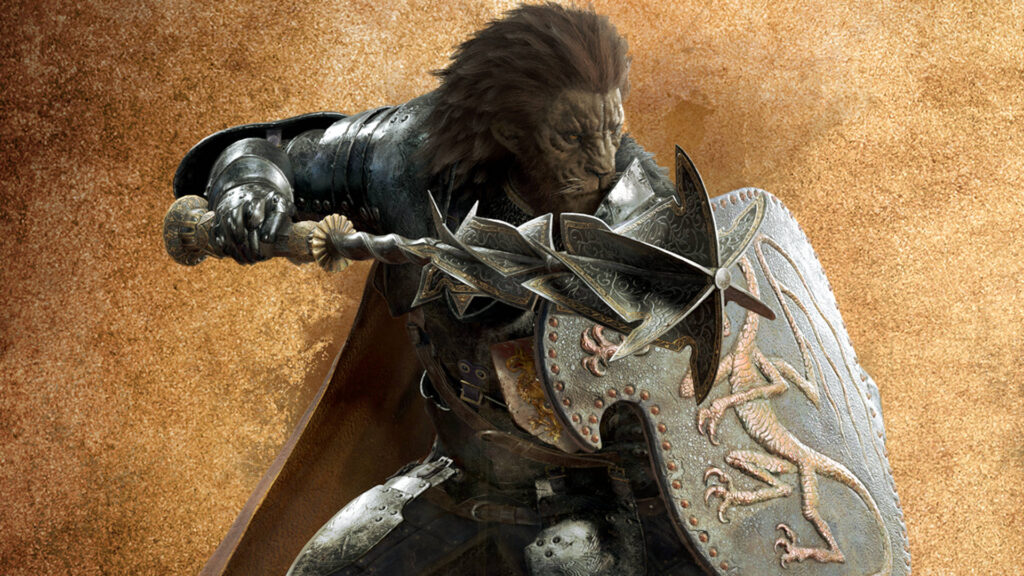
Capcom doesn’t miss, and this sale proves it. From the gothic world of Dragon’s Dogma 2 to the relentless thrill of Resident Evil 4, plus fighting showdowns in Street Fighter 6 and Marvel vs. Capcom, this publisher pack is an all-star lineup of must-plays:
- Devil May Cry 5 + Vergil – 67% off
- Dragon's Dogma 2 – 58% off
- MARVEL vs. CAPCOM Fighting Collection: Arcade Classics – 40% off
- Monster Hunter Wilds – 35% off
- Resident Evil 4 – 50% off
- Street Fighter™ 6 – 50% off
Don’t Miss Out!

These deals won’t last forever—so if you’ve been waiting to step into a world-shaking RPG, relive iconic anime battles, or sharpen your fighting skills, now’s the time to strike. Load up your library with some of the best titles from Bandai Namco, 505 Games, and Capcom before the September (yes, October) Sale finally wraps up!
The 2Game September Sale – Save up to 95% across the galaxy of PC gaming!
Massive games, mega savings
A Beginner’s Guide to Playing House Flipper: Tips and Tricks
House Flipper transforms the often stressful reality of home renovation into an oddly satisfying gaming experience. Whether you're demolishing walls, installing new fixtures, or carefully selecting the perfect paint color, this simulation game offers countless hours of therapeutic property improvement. We've compiled essential strategies to help newcomers navigate their first renovation projects successfully.
Understanding the Basics
House Flipper starts you off with cleaning and repair jobs that teach fundamental mechanics while building your bank account. These early contracts might seem tedious, but they're crucial for learning the game's systems and earning the capital needed for your first property purchase.
The game operates on a straightforward premise. You accept jobs from clients, complete their requested tasks, collect payment, and gradually save enough money to purchase properties for renovation and resale. Your ultimate goal involves buying rundown houses, transforming them into desirable homes, and selling them for profit.
Tool mastery forms the foundation of efficient gameplay. You'll primarily use seven tools throughout your House Flipper career. The paint roller covers walls and ceilings quickly. The hammer demolishes unwanted fixtures and walls. The tiling tool applies floor and wall tiles. The cleaning tool removes dirt and grime. The mounting tool installs purchased items. The selling tool lets you remove and sell unwanted objects. Finally, the radiator and electrical tools handle utility installations.
Making Money in the Early Game
Your initial jobs focus on cleaning and basic repairs. Accept every contract offered during your first few hours of gameplay. These missions provide essential income while teaching you how different tools function. Cleaning jobs might feel monotonous, but they pay reliably and help you understand property layouts.
We recommend completing contracts as efficiently as possible during the early game. Speed matters because you're paid per job rather than hourly. Learn to identify dirt patterns quickly and develop systematic cleaning routes through properties. This efficiency pays dividends as contracts become more complex.
According to the official Empyrean game development blog, the progression system was designed to gradually introduce mechanics without overwhelming new players. Taking advantage of this learning curve means you'll be better prepared when you start purchasing your own properties.
Your First Property Purchase
Buying your first house represents a major milestone in House Flipper. Don't rush this decision. We suggest accumulating at least $30,000 before making your first purchase, giving you enough cushion to buy the property and fund necessary renovations.
Start with smaller, less expensive properties. These homes require fewer materials and less time to renovate, meaning faster returns on your investment. The game's auction system shows you each property's current condition and potential value after renovation. Focus on homes where the potential profit margin justifies your time and material costs.
Property inspection before purchase helps you plan renovations. Walk through potential purchases and note what needs replacing, painting, or demolishing. Create a mental checklist of required materials so you can budget accurately. Nothing derails a renovation project faster than running out of money halfway through.
Renovation Strategies That Work
Successful renovations in House Flipper follow a logical progression. We've found that starting with demolition and trash removal creates a clean canvas for your vision. Remove old, broken fixtures first. Sell anything with value to recoup some costs. Trash the rest to clear space.
Wall and floor work comes next. Repair any damaged walls before painting. The game won't let you paint over holes or cracks, so address structural issues first. Choose neutral paint colors for walls initially. White, beige, and light gray appeal to the broadest buyer base and maximize your sale price.
Flooring significantly impacts property value. While expensive materials like hardwood and tile cost more upfront, they substantially increase final sale prices. Balance your material choices against your budget, but don't cheap out on flooring in main living areas. Buyers notice.
Furniture placement requires more strategy than you might expect. The game evaluates room functionality based on appropriate furniture placement. A bedroom needs a bed, nightstand, and wardrobe at minimum. Living rooms require seating, tables, and entertainment options. Place furniture thoughtfully rather than cramming rooms full of items.
Advanced Tips for Maximum Profit
Once you've completed several successful flips, these advanced strategies help maximize your profits. Purchase perks strategically as you level up. The negotiation perk reduces material costs significantly, while the paint sprayer perk dramatically speeds up painting jobs. Prioritize perks that address your biggest time sinks or expense categories.
Room designation matters more than many beginners realize. The game assigns room types based on furniture and fixtures present. Properly designated rooms increase property value substantially. Make sure bedrooms contain appropriate bedroom furniture, bathrooms have all necessary fixtures, and living spaces include entertainment and seating options.
Outdoor spaces shouldn't be neglected. Mowing lawns, planting flowers, and installing outdoor furniture all boost property values. These improvements cost relatively little but can add thousands to your final sale price. A well-maintained exterior creates strong first impressions that translate to higher offers.
Common Mistakes to Avoid
New House Flipper players often overspend on unnecessary improvements. Remember that you're flipping properties for profit, not building your dream home. Expensive luxury items rarely return their full value. Stick with mid-range furniture and fixtures that appeal to average buyers.
Leaving trash and dirt in renovated properties drastically reduces sale prices. Before listing any property, thoroughly clean every surface and remove all trash. A final walkthrough ensures you haven't missed anything that might lower your offer prices.
Ignoring buyer preferences costs you money. The game shows you potential buyer requirements when you list properties. Some buyers want offices, others need multiple bedrooms, and some prioritize modern kitchens. Tailoring renovations to match likely buyer preferences increases your final sale price.
Building Your Renovation Empire
House Flipper rewards patience and attention to detail. Start small, learn the mechanics thoroughly, and gradually take on more ambitious projects as your skills and bankroll grow. Each successful flip teaches you something new about maximizing profits while minimizing time investment.
The satisfaction of transforming a dilapidated house into a beautiful home never quite fades, even after dozens of renovations. Master these fundamentals, and you'll be running a thriving virtual real estate empire in no time.Retry
House Flipper transforms the often stressful reality of home renovation into an oddly satisfying gaming experience. Whether you’re demolishing walls, installing new fixtures, or carefully selecting the perfect paint color, this simulation game offers countless hours of therapeutic property improvement. We’ve compiled essential strategies to help newcomers navigate their first renovation projects successfully. Understanding the […]
How Long is a FIFA 21 Game in Real-Time?
Whether you're planning a quick gaming session or settling in for a lengthy FIFA 21 marathon, knowing exactly how long matches take helps you manage your time effectively. We've broken down match lengths across every major game mode to give you the complete picture.
Standard Match Lengths in FIFA 21
The default match length in FIFA 21 varies significantly depending on which game mode you choose and your custom settings. Understanding these differences helps you pick the right mode for your available time.
In Kick Off mode with default settings, a standard match runs for 12 minutes of real-time gameplay. This breaks down to six-minute halves, matching the default setting that EA Sports has maintained across recent FIFA titles. However, this 12-minute figure represents only the active playing time, not the total time you'll spend from kickoff to final whistle.
When you factor in goal celebrations, replays, halftime breaks, substitutions, injuries, and other stoppages, a typical Kick Off match extends to approximately 15-20 minutes in total. The exact duration depends heavily on how many goals get scored and whether you skip celebrations and replays.
Customizing Match Duration
FIFA 21 offers extensive customization options for match length. In the game settings menu, you can adjust half length anywhere from 4 minutes to 20 minutes per half. This flexibility means matches can range from as short as 8 minutes of gameplay time to a full 40 minutes.
We recommend starting with the default 6-minute halves if you're new to the series. This length provides enough time to execute your game plan without matches dragging on excessively. More experienced players often prefer 8 or 10-minute halves, which better simulate realistic football pacing and allow for more tactical substitutions.
For the most authentic experience possible, some players opt for the maximum 20-minute halves. These extended matches can easily exceed an hour when including all stoppages, closely mirroring actual football match durations. According to EA Sports' official gameplay documentation, these longer settings were designed specifically for competitive players seeking maximum realism.
Career Mode Match Times
Career Mode in FIFA 21 uses the same default 6-minute halves as Kick Off, but the total time commitment per match increases slightly. Between matches, you'll navigate through menus for team management, transfer negotiations, training sessions, and pre-match preparations.
A typical Career Mode match, including all the surrounding management activities, takes approximately 20-25 minutes. If you're actively managing your squad and making frequent adjustments between matches, this can extend to 30 minutes or more per fixture.
The simulated matches in Career Mode offer a time-saving alternative. You can simulate entire matches in seconds or use the interactive simulation feature to jump in at any point if results aren't going your way. This flexibility makes Career Mode accessible whether you have hours to play or just a few minutes.
FIFA Ultimate Team Durations
FIFA Ultimate Team matches follow slightly different timing structures depending on whether you're playing Squad Battles, Division Rivals, or FUT Champions.
Squad Battles matches against AI opponents use 6-minute halves by default, totaling around 15-18 minutes per match including menus and replays. These matches offer a good balance between time investment and reward potential.
Division Rivals and FUT Champions matches also run on 6-minute halves, but online play introduces additional variables. Connection speeds, opponent behavior regarding replays and celebrations, and potential disconnections all affect total match time. We typically see these matches ranging from 15 to 25 minutes depending on these factors.
Online Seasons and Pro Clubs
Online Seasons maintains the standard 6-minute half structure, with matches typically lasting 15-20 minutes. The online component means you're at the mercy of your opponent's celebration and replay preferences, though the FIFA 21 community generally moves through matches at a reasonable pace.
Pro Clubs presents a unique situation. Drop-in matches and league games both use 6-minute halves, but the multiplayer nature means more unpredictability. Expect these matches to take 18-25 minutes on average, with potential delays if players disconnect or pause frequently.
Factors That Affect Game Length
Several elements influence how long your FIFA 21 matches actually take beyond the base gameplay time. Goal celebrations can add significant time if you watch every replay. A high-scoring match where both players watch full celebrations could add an extra 5-10 minutes to the total duration.
Injuries and substitutions create natural stoppages that extend match length. While these moments add realism, they also mean you should budget extra time beyond the listed half length.
Tactical adjustments and pausing to change formations or player instructions also contribute to longer matches. Competitive players who frequently adjust their tactics should expect matches to run toward the longer end of the spectrum.
Planning Your Gaming Sessions
Understanding FIFA 21 match durations helps you plan gaming sessions more effectively. For a quick match during a lunch break, stick with default settings in Kick Off mode for a reliable 15-minute experience. If you're settling in for an evening session, consider increasing half length to 8 or 10 minutes for more satisfying, realistic gameplay.
Career Mode players should allocate at least 30 minutes per session to make meaningful progress, while FUT Champions competitors need to budget several hours for their weekend league commitments.
The beauty of FIFA 21 lies in its flexibility. Whether you have 15 minutes or several hours, there's a game mode and match length configuration that fits your schedule perfectly.
Discover exactly how long FIFA 21 matches take across all game modes. Learn match durations for Kick Off, Career Mode, FUT, Pro Clubs, and how to optimize your gaming time.Retry
The Ultimate Guide to Mastering Circle Empires
Circle Empires might look deceptively simple with its circular world layout and minimalist design, but beneath that accessible surface lies a surprisingly deep real-time strategy experience. We've spent considerable time with this indie gem to bring you the essential strategies and techniques that will transform you from a struggling warlord into an unstoppable empire-building force.
Understanding the Core Mechanics
Circle Empires breaks away from traditional RTS conventions by dividing its world into interconnected circles, each containing resources, enemies, or neutral settlements. The key to mastering this game starts with understanding that every decision about which circle to conquer next matters significantly.
Your leader unit serves as the cornerstone of your entire strategy. Unlike traditional RTS games where you build bases and manage multiple production queues, Circle Empires keeps things focused. You'll grow your army by conquering circles that contain unit-producing structures, and your leader's survival becomes paramount. Lose your leader, and it's game over.
Resource management follows a straightforward but crucial pattern. Gold flows from controlled circles, and you'll need to balance aggressive expansion with economic stability. We recommend securing at least three to four resource-rich circles early in each game before pushing aggressively toward enemy leaders.
Early Game Dominance
The opening moves in Circle Empires often determine your entire campaign's trajectory. Start by scouting adjacent circles immediately. You want to identify weak targets that offer high rewards, specifically those containing unit production buildings or substantial gold income.
Target circles with defensive structures first when possible. Towers and barracks provide both immediate military strength and ongoing unit production. However, be cautious about overextending. A common mistake we see players make involves conquering too many circles too quickly, spreading their forces thin and leaving their core territory vulnerable to counterattacks.
Your initial leader choice matters more than you might think. Some leaders excel at early aggression with strong starting units, while others focus on economic bonuses that pay dividends later. The game's Steam page offers details about different leader abilities, and understanding these distinctions helps you align your strategy with your chosen leader's strengths.
Army Composition and Combat Tactics
Building an effective army in Circle Empires requires understanding unit counters and synergies. Infantry forms your backbone, providing reliable damage at reasonable cost. Archers offer ranged support but require protection from cavalry charges. Speaking of cavalry, these units excel at flanking and taking down enemy archers but struggle against massed infantry.
We've found that balanced armies perform better than specialized ones in most situations. A typical mid-game army should include roughly 40% infantry, 30% archers, and 30% cavalry or specialized units. This composition handles most threats effectively while maintaining flexibility.
Magic users and monsters add another layer to combat dynamics. These powerful units can turn battles in your favor but come with hefty gold costs. Save these premium units for breaking through particularly tough defensive positions or eliminating enemy leaders.
Map Awareness and Strategic Expansion
Success in Circle Empires demands constant map awareness. The minimap shows controlled territories, but you need to actively scout beyond your borders. Neutral circles often contain valuable resources or strategic positions that you should claim before opponents reach them.
Create buffer zones between your territory and enemy leaders. These intermediate circles serve dual purposes, generating income while forming defensive barriers. When an enemy attacks, they'll hit these outer circles first, giving you time to respond with reinforcements.
Chokepoints exist even in circular maps. Some circles connect to only one or two others, creating natural defensive positions. Identifying and controlling these strategic locations lets you expand safely in other directions while maintaining secure borders.
Advanced Techniques for Victory
Once you've mastered the basics, several advanced techniques will elevate your gameplay further. Leader sniping involves pushing directly toward enemy leaders with your strongest units, ignoring peripheral circles. This aggressive strategy works best when you've secured a strong economic base and can afford to lose some units in the assault.
Economic snowballing focuses on conquering gold-generating circles rapidly in the early game. The increased income funds larger armies that overwhelm opponents before they can establish themselves. This approach requires careful micro-management and quick decision-making but pays enormous dividends.
Defensive turtling rarely works in Circle Empires. The game's design encourages aggression, and passive players usually find themselves overwhelmed by opponents who've claimed more territory and resources. Even when defending, maintain pressure by sending small raiding parties to harass enemy economics.
Putting It All Together
Mastering Circle Empires comes down to balancing aggression with caution, economics with military might, and tactical decisions with strategic planning. Each match presents unique challenges based on map layout, enemy leaders, and available resources.
Practice different leader types to find which suits your playstyle best. Some players prefer aggressive early-game leaders who can snowball advantages quickly, while others favor economic leaders who dominate through superior late-game armies.
The beauty of Circle Empires lies in its accessibility combined with surprising depth. These strategies provide a foundation, but true mastery comes from experience and adaptation. Keep refining your approach, learn from defeats, and soon you'll be conquering circular worlds with confidence.
Master Circle Empires with our comprehensive strategy guide. Learn essential tactics, army composition, map control techniques, and advanced strategies to dominate this unique RTS game.Retry
 English
  German
  French
  Portuguese
  Spanish
  Polish
  Dutch
Dutch