How Does the Alien Isolation AI Work?
Alien: Isolation is a critically acclaimed survival horror game that has captivated gamers since its release in 2014. One of the standout features of the game is its advanced artificial intelligence (AI) system, which controls the behavior of the terrifying alien antagonist. In this article, we will take a deep dive into how the Alien: Isolation AI works and why it has been so effective in creating a truly immersive and terrifying gaming experience.
The AI in Alien: Isolation is designed to mimic the behavior of a real predator, constantly hunting the player and adapting to their actions. The alien is not bound by scripted sequences or predetermined paths; instead, it uses a complex set of algorithms to navigate the game world and respond to the player's movements in real-time. This means that every encounter with the alien feels unique and unpredictable, keeping players on edge and constantly on the lookout for danger.
One of the key components of the Alien: Isolation AI is its use of sensory systems to track the player's movements. The alien has a heightened sense of hearing and can detect the player's footsteps, breathing, and even the sound of their heartbeat. This means that players must be careful to move quietly and avoid making any unnecessary noise, or risk attracting the alien's attention.
In addition to its keen sense of hearing, the alien also has a highly developed sense of sight. It can spot the player from a distance and will actively search for them if they come into its line of sight. This means that players must use the environment to their advantage, hiding behind objects and using cover to avoid being seen by the alien.
The alien's behavior is also influenced by the player's actions. If the player makes too much noise or takes too long to complete an objective, the alien will become more aggressive and start actively hunting them. On the other hand, if the player manages to evade the alien and stay out of its sight for an extended period of time, it may become less vigilant and give the player a brief respite.
One of the most impressive aspects of the Alien: Isolation AI is its ability to learn from the player's behavior and adapt its tactics accordingly. If the player consistently hides in a certain type of hiding spot, for example, the alien may start to check those spots more frequently. This means that players must constantly vary their strategies and stay one step ahead of the alien if they want to survive.
Overall, the Alien: Isolation AI is a masterclass in game design, creating a truly immersive and terrifying experience for players. By combining advanced sensory systems, adaptive behavior, and a learning algorithm, the alien feels like a real and formidable threat that keeps players on their toes at all times. Whether you're a fan of survival horror games or just looking for a truly unique gaming experience, Alien: Isolation is a must-play title that showcases the potential of AI in gaming.
Alien: Isolation is a critically acclaimed survival horror game that has captivated gamers since its release in 2014. One of the standout features of the game is its advanced artificial intelligence (AI) system, which controls the behavior of the terrifying alien antagonist. In this article, we will take a deep dive into how the Alien: […]
How Big is Microsoft Flight Simulator 2020?
Microsoft Flight Simulator 2020 has taken the gaming world by storm with its stunning graphics, realistic gameplay, and attention to detail. As one of the most highly anticipated releases of the year, this latest installment in the long-running flight simulation series has set a new standard for realism and immersion in the genre.
One of the first things that gamers notice when they fire up Microsoft Flight Simulator 2020 is the sheer size and scale of the game world. With over 37,000 airports to choose from, players have the entire globe at their fingertips to explore and discover. From bustling metropolitan cities to remote mountain airstrips, the world of Flight Simulator 2020 is vast and diverse, offering endless opportunities for exploration and adventure.
But it's not just the quantity of airports that sets Microsoft Flight Simulator 2020 apart from its predecessors. The game also features a level of detail and realism that is truly breathtaking. From the accurate representation of weather patterns and atmospheric conditions to the meticulously recreated aircraft models and cockpit controls, every aspect of the game has been designed with a focus on authenticity and immersion.
One of the most impressive features of Microsoft Flight Simulator 2020 is the use of real-time satellite imagery and AI technology to create a truly lifelike and dynamic world. Players can fly over their own neighborhoods and see their own houses from the sky, or explore exotic locations on the other side of the world with stunning accuracy and detail. The level of realism in the game is truly unparalleled, making it feel like you are actually piloting a real aircraft through the skies.
In addition to the incredible graphics and attention to detail, Microsoft Flight Simulator 2020 also offers a wide range of gameplay options to suit players of all skill levels. From casual free flights to challenging missions and multiplayer modes, there is something for everyone in this game. Whether you are a seasoned flight sim enthusiast or a newcomer to the genre, you will find plenty to love about this latest installment in the series.
Overall, Microsoft Flight Simulator 2020 is a game of epic proportions. With its massive game world, stunning graphics, and unparalleled level of realism, it sets a new standard for what a flight simulation game can be. Whether you are a die-hard aviation enthusiast or just looking for a unique and immersive gaming experience, this game is sure to impress and captivate players of all kinds. So buckle up, take to the skies, and prepare for the adventure of a lifetime in Microsoft Flight Simulator 2020.
Microsoft Flight Simulator 2020 has taken the gaming world by storm with its stunning graphics, realistic gameplay, and attention to detail. As one of the most highly anticipated releases of the year, this latest installment in the long-running flight simulation series has set a new standard for realism and immersion in the genre. One of […]
Clair Obscur: Expedition 33 – What Was The Fracture?
Expedition 33 was a highly anticipated game release that had gamers buzzing with excitement. Developed by a small indie studio, the game promised to deliver a unique and immersive experience that would push the boundaries of storytelling and gameplay. However, when the game finally launched, it was met with mixed reviews and a lukewarm reception from the gaming community. Many players were left feeling disappointed and confused by the game's narrative, which centered around a mysterious event known as "The Fracture."
But what exactly was The Fracture, and why did it leave so many players feeling underwhelmed? To understand the impact of this narrative device, we must first delve into the world of Expedition 33 and the story it sought to tell.
The game takes place in a post-apocalyptic future where humanity has been pushed to the brink of extinction by a series of catastrophic events. The player assumes the role of a lone survivor who must navigate a harsh and unforgiving landscape in search of answers and a way to save what remains of civilization. As they journey through the desolate world, they encounter various factions and characters, each with their own motives and agendas.
Central to the game's plot is The Fracture, a cataclysmic event that shattered the fabric of reality and unleashed chaos upon the world. The origins of The Fracture are shrouded in mystery, with conflicting accounts and theories offered by the game's characters. Some believe it was a natural disaster triggered by human hubris, while others see it as a deliberate act of sabotage by a malevolent force.
As players progress through the game, they uncover clues and pieces of the puzzle that shed light on The Fracture and its consequences. They learn of the factions vying for power in the wake of the event, the survivors struggling to rebuild their lives, and the secrets hidden beneath the surface of this broken world. But despite these revelations, many players found themselves unsatisfied with the resolution of The Fracture storyline.
One of the main criticisms leveled against Expedition 33 was its handling of The Fracture as a narrative device. While the concept of a world-altering event is a staple of post-apocalyptic fiction, the execution in this game fell short of expectations. The game failed to provide a satisfying explanation for The Fracture, leaving players with more questions than answers. This lack of closure left many feeling frustrated and disconnected from the story, undermining the emotional impact of the game's themes.
Additionally, some players felt that The Fracture was used as a convenient plot device to drive the game's events, rather than as a meaningful element of the world-building. The concept of a reality-shattering event held great potential for exploring themes of loss, redemption, and the resilience of the human spirit. However, the game's treatment of The Fracture felt superficial and underdeveloped, robbing it of its narrative weight and emotional resonance.
In conclusion, Expedition 33's handling of The Fracture was a missed opportunity to create a compelling and immersive experience for players. While the game boasted impressive visuals, engaging gameplay, and a unique setting, its narrative fell short of delivering a satisfying payoff for the central mystery it presented. The fractured storytelling left players feeling disconnected and dissatisfied, highlighting the importance of cohesive and meaningful storytelling in gaming experiences. As gamers, we crave immersive worlds and engaging narratives that resonate with us on a deeper level. Hopefully, future games will learn from the missteps of Expedition 33 and deliver more satisfying resolutions to their narrative mysteries.
Expedition 33 was a highly anticipated game release that had gamers buzzing with excitement. Developed by a small indie studio, the game promised to deliver a unique and immersive experience that would push the boundaries of storytelling and gameplay. However, when the game finally launched, it was met with mixed reviews and a lukewarm reception […]
Dragon Ball: Sparking Zero – How Long to Beat?
Dragon Ball Sparking Zero is the latest installment in the popular Dragon Ball video game series, and it has been generating a lot of buzz among gamers. One of the most common questions that players have been asking is, "How long does it take to beat Dragon Ball Sparking Zero?"
The answer to this question is not a simple one, as the length of time it takes to complete the game can vary depending on a number of factors. The main story mode of Dragon Ball Sparking Zero can typically be completed in around 20-30 hours, depending on how quickly you progress through the various missions and battles. However, if you choose to explore all of the game's side quests, collectibles, and optional challenges, you could easily spend upwards of 50 hours or more playing through the game.
One of the key factors that can impact how long it takes to beat Dragon Ball Sparking Zero is your skill level and experience with fighting games. If you are a seasoned player who is familiar with the mechanics of the Dragon Ball series, you may be able to progress through the game more quickly than someone who is new to the franchise. Additionally, your familiarity with the characters and their abilities can also play a role in how quickly you are able to defeat your opponents in battle.
Another factor that can affect the length of time it takes to beat Dragon Ball Sparking Zero is the difficulty level that you choose to play on. The game offers a range of difficulty settings, from easy to hard, and the higher the difficulty level, the longer it may take you to complete the game. If you are looking for a challenge and want to truly test your skills, playing on a higher difficulty setting may extend the amount of time it takes for you to beat the game.
In addition to the main story mode, Dragon Ball Sparking Zero also offers a variety of multiplayer modes that can extend the game's replay value. Whether you are competing against friends in local multiplayer matches or testing your skills against players from around the world in online battles, the multiplayer component of the game can add countless hours of gameplay to your overall experience.
Ultimately, the length of time it takes to beat Dragon Ball Sparking Zero will vary from player to player, but one thing is certain – this game offers a rich and engaging experience that will keep you coming back for more. Whether you are a die-hard Dragon Ball fan or simply enjoy fast-paced fighting games, Dragon Ball Sparking Zero is sure to provide hours of entertainment and excitement. So grab your controller, power up your favorite characters, and get ready to embark on an epic journey through the Dragon Ball universe.
Dragon Ball Sparking Zero is the latest installment in the popular Dragon Ball video game series, and it has been generating a lot of buzz among gamers. One of the most common questions that players have been asking is, “How long does it take to beat Dragon Ball Sparking Zero?” The answer to this question […]
Silent Hill f promises to revolutionize the franchise, but will it work?
While Silent Hill games might've been fairly spotty quality-wise, that's not to say most of them aren't worth at least a single playthrough. Especially if you're a fan of the kind of deep, cerebral horror they usually explore. The thing about this particular setting, though, is that even though it's technically just a facade that could be expanded upon infinitely, the Smalltown USA setting can only be stretched so much. It was time to move beyond it, and that's precisely why Silent Hill f is such a big deal.
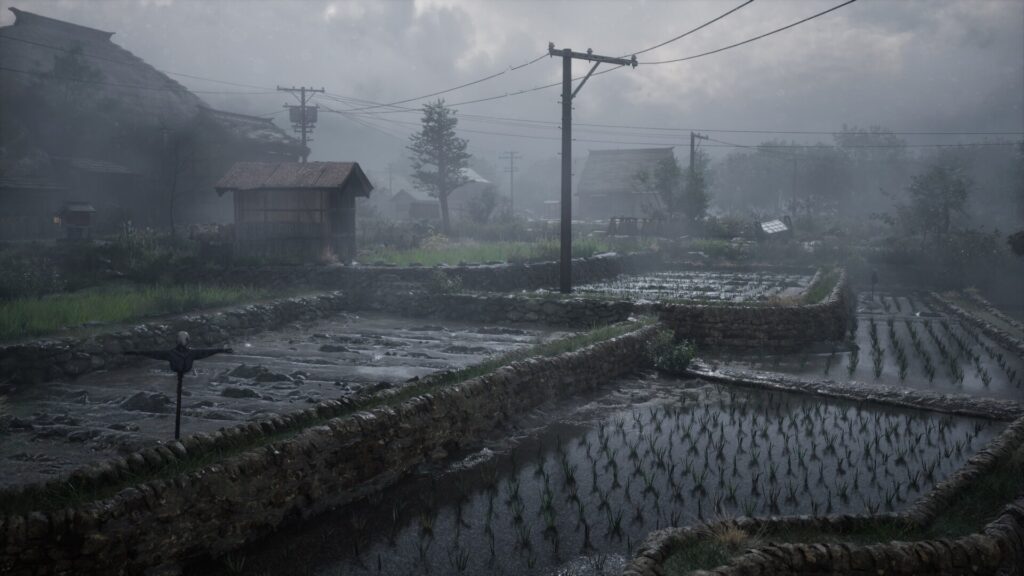
Silent Hill f takes the core and the crux of its franchise and applies it to a wholly new setting: the fictional Japanese township of Ebisugaoka. Everyone knows by now that SHf is a brave new take on the classic foggy horror trope the series is known for, but the specifics of what, why, and how are still hazy at most. The game is due to hit the stores on September 25, and while it's plenty exciting just from the preview materials, there's a non-insignificant amount of hesitance surrounding the concept, too.
Here, we aim to assuage some of your concerns and attempt to present Silent Hill f as the incredible opportunity that it is. If you're even remotely on the fence about the title, this is the place to be and the content to read.
Pre-order Silent Hill f at 2Game to score exclusive goodies!

It had always been suggested that Silent Hill isn't just the town in which the old games take place. Up until SHf was revealed, though, this was at most merely suggested, with the explanation for whatever horror causes the manifestation of the Fog World being relegated to the edges of the games' respective lore. That's fair, of course: not everything needs to be spelled out for us, but each new game gives us more context about what's really happening there.
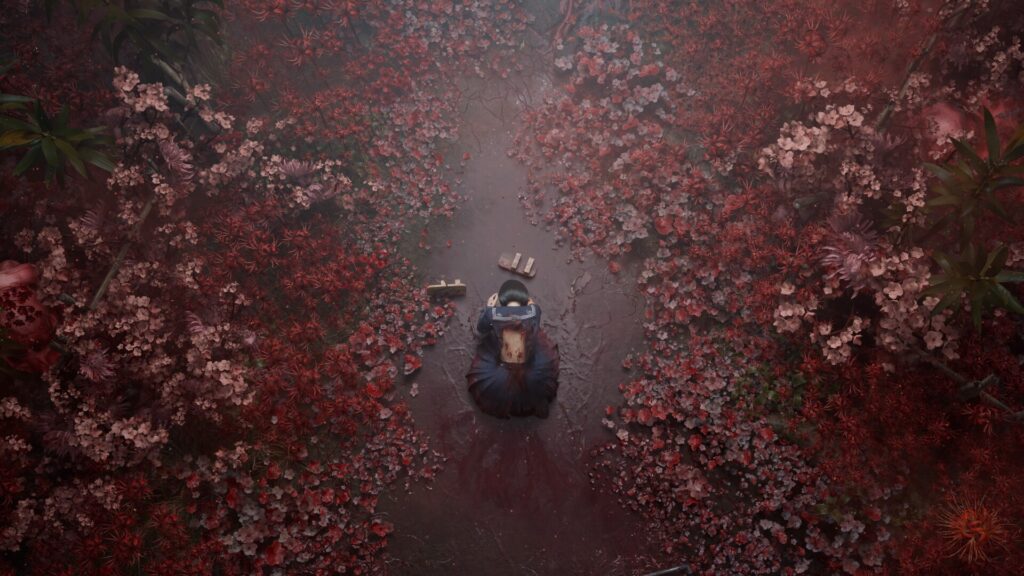
Taking Silent Hill f into account, for example, we now know that not only can the Fog World manifest seemingly anywhere, but it can also take different shapes. Whereas, say, Silent Hill 2's classic version of the Fog World is dreary, fleshy, and full of gimp-like monstrosities, its Ebisugaoka manifestation is almost beautiful in comparison. The fleshy tendril growths are more fungal in form here, with fruiting bodies and flowers growing out of the detritus of the world beneath.
It's a stark contrast that only looks similar if you squint hard enough, but the vibes are most certainly on point. This novel approach to the Fog World - or whatever else you might wish to call it - is probably the most promising feature of the game. We already know SHf is unafraid of being inventive, but at the same time, we can also expect something that runs in parallel to classic Silent Hill lore instead of going against it.

The new protagonist, Hinako Shimizu, is also a crucial part of the equation. Apparently a mere high-school student at the start of the game, Hinako is still inextricably linked to the appearance of the Fog World, and might've even been the cause of its creation. The specifics are obviously yet unknown, but between Ryukishi07's writing and Akira Yamaoka's work on the music, we've got absolutely no doubt we're in for a moody, enthralling piece of horror across the board.
All the key bits and bobs that make Silent Hill what it is are present and accounted for, then: the third-person exploration, the melee-heavy combat, the strange, almost mythological approach to horror... SHf is a proper example of its franchise. It's just that it's so far removed from the core series that it would've been downright unimaginable to make it a while back, during the series' original heyday.
All of this really does make Silent Hill f a crucial stepping stone for the franchise. This is how Silent Hill evolves: not through remakes and remasters, as compelling as they might be, but through genuinely novel takes on established series concepts.

It's going to be particularly interesting to see how Silent Hill f compares to Bloober Team's Silent Hill 2 remake. This re-envisioning of the beloved classic is easily one of the best remakes of all time, standing should-to-shoulder with Capcom's finest Resident Evil remake efforts. In comparison, Silent Hill f is NeoBards' first proper standalone game. The studio had previously worked as a support team on a variety of games including Resident Evil titles, Devil May Cry, and even the often bemoaned Marvel's Avengers live-service title. This means SHf is their chance to show just how good they are, and establish a legacy for years to come.
And what a legacy that might end up being, if they revitalize Silent Hill's original stories for modern audiences! We're obviously very excited for the sheer potential this game has, and we highly recommend you keep an eye on it as well, even if you're not keen on Silent Hill at large.
With a late September launch window already on the horizon, it won't be long before we get to see for ourselves what NeoBards has got cooking. Expect lots more SHf coverage both pre and post-launch right here at 2Game, with that in mind, so stay tuned.
Pre-order Silent Hill f at 2Game to score exclusive goodies!
Going fungal.
Time to Replay Crysis? We think so!
If you were there on day one, you'll remember just what an event it was to boot up the original Crysis, back in 2007. That's if your PC was capable of running it in the first place, of course, which wasn't the case for all that many of us! Getting the game to run at a meager 20-30 FPS was a huge success, but what else were you going to do with a subpar PC? Not play the single most relevant shooter of your era? The studio behind it didn't sit on its thumbs post-release, though, and so Germany-based Crytek went on produce two (technically three) full-featured sequels, a unique live-service-lite extraction shooter, and lots more. Crytek's pretty darn prolific, really.
With all of that in mind, and considering the fact that Crysis 4 is in a tentative stage of development, too, there's never been a better time to (re)play Crysis right this instant. Or Crytek's Hunt: Showdown 1896, for that matter. Need a bit more convincing? We've got you covered!
To celebrate Crytek's achievements, we're here to take you on a nostalgic ride through one of the aughts' greatest first-person shooter franchises. Whether you're a Prophet-grade series veteran looking for an excuse to replay all the games, or if you're a total newbie without the context necessary to appreciate Crysis at large, this is the article for you.

It's important to understand that Crysis was, in more ways than one, a functional remake of Crytek's very first mainstream FPS: Far Cry. That's right! Far Cry started its life as the sandbox tropical shooter title, and though Ubisoft did take the series over from Far Cry 2 onwards, Crytek's original game set the stage for what Crysis would eventually deliver on.
All the basics of the formula were there from the very get-go of Far Cry: a tropical setting with a semi-open approach to virtually any objective; ready access to a whole array of weapons and vehicles; enemies both human and monster. Broadly, this is the gist and the formula of Crytek's approach to an FPS gameplay loop. We can tell you right off the bat: it works, and it works wonders.
But wait, if Far Cry did all of this years before Crysis made its official debut, why was it that made the latter such a big deal? Just the graphics? And, uh, the answer is definitely partially yes: there's absolutely no denying the fact that 'can it run Crysis' was only a joke half-way through. Here was an absolute power-house of visual effects and physics embellishing a genuinely compelling open-ended first-person shooter. Unthinkable, really! But it was such a phenomenally generation-defying experience that it defined PC gaming for years to come.

Nowadays, the remastered version of the Crysis trilogy is obviously the best possible way to play the series. Yet, it's important to understand that neither Crysis 2 nor Crysis 3 behave exactly the same as the original title did. Arguably, the two sequels are superior games with better setpieces, far superior gunplay, and an excellent sense of progression that goes far beyond anything from the original Crysis. At the same time, they definitely forego much of the original game's sandbox antics to achieve this goal. You trade the freedom of the jungle for the terror of the city, and it's a fair trade when you play these games back-to-back.
The Crysis (Remastered) trilogy is an absolute showstopper in this sense. Each game changes and evolves the crucial Nanosuit vs. human vs. Ceph combat loop further still, and though we've got a long way to go before the fourth Crysis title is finally out, there's a point to be made that any self-respecting FPS fan should experience the three original titles right this instant regardless. Crysis really is that good when taken as a whole, and its history makes it all the more interesting in the grand scheme of things.
Don't forget, though, that Crytek's also made waves in the extraction shooter niche! Hunt: Showdown has proven time and again that the studio's got what it takes to compete even in this day and age, and it too ought to be experienced.

Set in the late 19th century, Hunt: Showdown is a supernatural tour-de-force where players take control over a wide variety of monster-hunting badasses as they duke it out with one another and the aforementioned monsters, too. It's a wild, muddy experience that simply cannot be put into words. It's probably the best extraction shooter on the market, too, and that's a heck of a statement when you think about the likes of Gray Zone Warfare, Escape From Tarkov, and the like.
Quite simply, Hunt: Showdown in its latest 1896 version is absolutely unique and uniquely thrilling wherever you look. From its tastefully gothic takes on real historic weaponry to the gruesome nature of its monstrosities, Hunt: Showdown is an experience that's simply like no other. Remind you of anything? Yeah, that's kind of Crytek's forte.
We also highly recommend the company's prior (and often forgotten-about) Ryse: Son of Rome if you're in the market for a snazzy and brutal third-person action adventure. Fact is, though, that's not what the company does best. No, Crytek's DNA falls squarely into the first-person shooter niche, and that's perfectly fine.
So do yourself a service and play the remastered Crysis trilogy as soon as possible. Whether it's your first proper playthrough or just one more in a long series of runs, it doesn't matter. Just get on it!
“My chute’s gone! My damn chute is gone!”
Blind Descent – What We Know So Far About This Martian Survival Mystery
Mars has always captured our imagination. But Blind Descent, from developer Pokuch and publisher META Publishing, wants to plunge us beyond the dusty surface, deep into the mysterious, living belly of the Red Planet.
Officially headed to Early Access (release date TBA), this open-world survival crafting game looks to be something more alien, more reactive, and more narratively ambitious than your average subterranean sci-fi sim.
Join us as we unpack everything we know so far about this strange, promising expedition into the unknown.
What Exactly Is Blind Descent?

It's 2071. You’re a Pathfinder for the Marsborn Mining Company, and you're called back from leave when the Pioneer team goes dark during the opening of a massive new mine. You and a small crew descend 10 miles underground via elevator. But disaster strikes.
The elevator crashes.
You’re alive… barely.
Cut off from the surface.
The Pioneer team is missing.
And the cave system you were meant to survey? It opens into something else entirely.
A vast, alien biosphere beneath the Martian crust.
From there, Blind Descent becomes a survival game of exploration, adaptation, and perhaps most importantly, symbiosis. This isn't just about living in the Martian underworld. It's about learning to live with it.
A Living, Reactive World Beneath Mars

The Martian underground in Blind Descent isn’t just a terrifying backdrop. It’s a dynamic ecosystem. Alive with alien flora and fauna that's constantly evolving and responding to your actions. This is a major point of emphasis from the devs: Survival isn’t about domination, it’s about integration.
Observe how alien creatures interact, and you might learn how to exploit or even cooperate with their behaviors. The world is both your enemy and your potential ally.
This is a rare approach for a survival game, and one that promises a deeper kind of immersion.
Core Gameplay Systems: What You’ll Be Doing

Mutation & Adaptation:
Forget simple upgrades. A smart tie-in with the game’s theme of transformation, Blind Descent introduces mutation-based progression. This allows your character to evolve by consuming alien spores or fruits, which can enhance traversal, combat, or environmental resistance.
Base Building with a Twist:
You’ll build shelters using gathered resources, but construction isn’t a static process. Leave it unattended, and alien organisms might reclaim the space.
In this way, building is an act of negotiation with the land, not just protection from it.
Research and Crafting:
Alien lifeforms are your primary resource. Watch how they behave. Learn their routines. And use that knowledge to craft tools, upgrades, and even new forms of biological defense.
Dynamic Traversal Tools:
Mars’ underworld isn’t a flat playground. Verticality matters. Use climbing gear to scale cliffs and explore unreachable regions. This isn't just about surviving; it’s about exploration and pushing deeper.
Environmental Hazards & Alien Biomes:
Expect underground storms, toxic gas pockets, and all sorts of biome-specific threats, which introduce new challenges and opportunities for symbiosis and mutation.
Solo or Squad: Multiplayer Details

Whether you're a lone explorer or part of a four-person expedition, Blind Descent supports both single-player and co-op multiplayer.
Impressively, all narrative content is fully playable in both modes, so teaming up doesn’t mean missing out on the story. Instead, it expands your survival strategy, with team-based symbiosis becoming a key gameplay pillar.
Early Access: What to Expect

The team at Pokuch has been working on Blind Descent since 2019, and they're using Early Access as a way to finish the game with the help of the community. This is what they've promised:
- All core mechanics are already in place for Early Access.
- Story content will expand gradually through updates.
- New biomes, creatures, and systems will roll out based on feedback.
- An eventual full launch is expected roughly one year after Early Access begins (though that could shift depending on development needs).
Open playtests are also planned before launch, and feedback will be primarily collected via the game’s official Discord.
Smart Design with Soul: Why You Should Keep Your Eye On This One

What sets Blind Descent apart isn’t just its Martian setting; it’s the game’s commitment to transformation over domination.
This is a survival game where observation, adaptation, and mutation take precedence over brute control. You’re not here to conquer the ecosystem; you’re here to integrate with it.
It's that core philosophy that unlocks a different kind of experience. One that values curiosity, discovery, and emotional immersion. If Pokuch delivers on this vision, Blind Descent could quietly emerge as one of the most original survival games in years.
So whether you're a solo explorer or part of a four-person crew, get ready for a journey where survival is just the beginning. You never know, the Martian depths might change you more than you change them!
Become one with the Red Planet
Techland Games: Zombie Game Masterclass? Yessir!
We're not going to pretend for a moment that there's a shortage of zombie-themed games on the market right now. There never was, really, and all we've had instead since the earliest days of the industry is a consistent ebb and flow of zombie-themed titles that were sometimes good, other times... not. Yet, when you mention this "niche", there's a particular company that always crops up, and that's Techland!
Having cut its teeth on the once-legendary piece of Eurojank Chrome, Techland also produced Xpand Rally and its kinda-sorta sequel in the mid-aughts. These games were more-or-less in the background of mainstream industry developments until 2011's (in)famous Dead Island. Virtually everyone's heard of Dead Island, and especially so if you actually enjoy tearing apart hordes of the undead!
Now, you'd be hard-pressed to say that Dead Island is a masterpiece in any meaningful way. You know what was a masterpiece, though? Techland's next flagship zombie title: Dying Light! While it's certainly a matter of opinion as to which is best, there is a definitive argument to be made about the original Dying Light being, in some ways, superior even to its 2022 sequel, which is a phenomenal title in its own right.

With all of that in mind, it should come as no surprise that Techland, its storied history being what it is, would want to continue producing a similar kind of output. Dying Light: The Beast, which is due to hit the stores very soon, on August 28, aims to combine the best parts of Dying Light 2 and the sequel to create something altogether new and exciting. But, how will it manage that?
Dying Light: The Beast is now due to launch on September 19, following a very recent pushback to improve the game's polish-level to a higher standard. That's sad to hear if you were looking forward to a fancy new chapter in the story of Kyle Crane, but it's good if you want a polished, top-notch experience regardless of when it comes out.
At face value, though, The Beast looks very much like any other Dying Light game. What is it that makes it interesting, to begin with? Well, we can tell you...

There's a point to be made that Dying Light 2: Stay Human veered far too closely into its post-apocalyptic quasi-medieval vibe. It took years' worth of updates before proper firearms were added to the game, just to illustrate our point, and that's definitely a choice. Dying Light 2 also suffered from its obviously diminished main narrative, which is a wild thing to say about a game as massive as it is. Gameplay-wise, these choices aren't a problem, but they are things that might stand out if you enjoyed the original Dying Light in particular.
The catch with Dying Light: The Beast is that it's going to try to maintain a knife's edge balance between the two approaches. The Beast takes place in roughly the same timeframe as Stay Human, or slightly after it, with the protagonist Kyle Crane having been captured and viciously experimented upon for a grand total of 13 years.
This means several things all at once: not only are we getting the protagonist of the first Dying Light back at last, but he's also going to be stronger and faster than ever before, as he's basically a sentient Volatile wearing a human skin-suit. The canonical ending of Dying Light is the one where Crane apparently breaks out of the Harran quarantine and spreads the virus across the continent. Or, at least, that's the implication.
Gameplay-wise, The Beast's duality will show in both combat and traversal. Crane can rely on his Volatile abilities for brutal close-quarters combat or, instead, opt to specialize in firearms and similar gadgetry. Both is also possible, if you're a completionist! As far as mobility goes, we're looking at a further improved and streamlined version of Dying Light 2 parkour, which is just excellent, but also a triumphant return of motorized vehicles and the like. The setting of Castor Woods is basically inspired by Swiss-Alps, which promises an astonishing array of environmental biomes ranging from deep, dense forests all the way to mid-century cityscapes. A heck of a sandbox, that is!

Dying Light: The Beast promises to be a much more contained and manageable experience than its immediate predecessor. At the same time, it aims to give us more more options and accordingly expand its gameplay sandbox. This is a very exciting promise, and one we can most definitely wait behind.
The wait until September doesn't come easy, then, but we're not concerned all that much. This is Techland, after all, and Techland knows how to make an awesomely compelling zombie-slaying first-person adventure. Ain't that right?
Going quietly into that dark night.
Wuchang: Fallen Feathers – Early Reviews Praise a Bold New Soulslike
Feathers are ruffling, blades are gleaming, and Soulslike fans are bracing themselves. Wuchang: Fallen Feathers has finally arrived! Leenzee Games’ ambitious debut is now live on PC, PS5, Xbox Series X|S, and Game Pass, and the early reviews are making waves.
The verdict? Steeped in Chinese mythology, drenched in an oppressive atmosphere, and built around combat that’s as stylish as it is punishing, Wuchang carves out its own identity
This isn’t just another pale imitation of FromSoftware’s formula. For veterans of the genre craving fresh torment in a beautifully decaying world, Wuchang: Fallen Feathers is a game worth bleeding for.
Let's see what the critics are saying.
Get Your Discounted Copy of Wuchang: Fallen Feathers @ 2Game Today!
A Gritty, Gorgeous Challenger

For the most part, Wuchang’s striking a chord, especially among reviewers steeped in Soulslike experience:
- PCGamesN described Wuchang as "this year's GOTY-level Soulslike" that "exceeds all expectations," awarding it 80/100.
- XboxEra went all-in, calling it "one of the best the genre has to offer" and scoring it 9.7/10.
- DualShockers gave it 9/10, dubbing it "the best traditional Soulslike from a competitor" they’ve played.
- TechRadar Gaming rated it 9/10, calling it “likely the best Soulslike since Lies of P," and highlighting its “thrillingly fast-paced combat” and layered level design.
- IGN scored it 8/10, praising its flexible combat, deep build variety, and calling the skill tree “best-in-class” and “one of the most versatile in the genre.”
- Dexerto echoed an 8/10 score, calling it “the standout Soulslike of 2025.”
- And even the more reserved Noisy Pixel rated it 7.5/10, noting that its combat and exploration “truly excel once they hit their stride.”
What’s Working – And Why Soulslike Fans Are Happy

Wuchang: Fallen Feathers brings plenty of strengths to the table for Soulslike fans, and critics across the board are taking notice:
Combat That Feels Good in Your Hands
Many critics agree that Wuchang’s combat is punishing in all the right ways. Fast-paced, reflex-driven, and deeply rewarding, its defensive “clash” system combined with the unique Madness mechanic—a corruption status that escalates under pressure—adds rich layers of strategic depth.
TechRadar Gaming praised the weight and brutality of the combat, especially highlighting the clash system’s fresh take on parrying and counters. And IGN called the combat “dynamic and flexible," describing Wuchang as “an extremely respectable debut.”
Build Freedom Galore

From sabers and spears to greatswords infused with Madness, Wuchang empowers you to fully customize your playstyle, with its generous respec system and versatile skill tree frequently praised as standout features:
IGN referred to Wuchang’s skill tree as one of the most versatile seen in the Soulslike genre, emphasizing freedom to experiment with builds without harsh penalties.
DualShockers praised the flexibility of switching build styles mid-playthrough without feeling penalized.
And Noisy Pixel noted significant player choice and character customization as standout aspects of the game.
A World That’s Haunting and Rich in Lore

Drawing from late Ming Dynasty folklore, Wuchang’s world is steeped in decay, sorrow, and spiritual unrest, and reviewers are feeling it:
“Wuchang’s world is one of the most visually arresting I’ve seen in the genre—it’s atmospheric, mysterious, and genuinely unsettling at times.” (Windows Central)
“Even when the gameplay falters, the setting pulls you back in. There’s a haunting poetry in the ruined cities, the misty forests, and the creatures that stalk them.” (Polygon)
“Vibrant, mystical, and deeply rooted in Chinese culture.” (RPGamer)
“Cultural uniqueness blended with Soulslike mechanics beautifully.” (GameLuster)
Smart Level Design That Encourages Exploration

While Wuchang isn’t fully open-world, its tightly designed zones are filled with secrets, verticality, and memorable shortcuts:
“It’s not open world in scale, but it channels that Dark Souls 3 energy—layered, looping level design that makes every shortcut feel earned.” (TechRadar Gaming)
“Level design that fosters curiosity… each winding path and hidden corner begs to be explored.” (GameSpot)
“A brilliantly interconnected Soulslike map with plenty of great bosses and overall design.” (DualShockers)
Room to Grow – But Nothing That Can’t Be Patched

Despite the strong debut, Wuchang isn’t flawless. Critics pointed to occasional technical hiccups, uneven difficulty spikes (especially in late-game bosses), and a subtle narrative style that may divide players, with some seeing it as atmospheric, others as opaque.
Still, we're not too worried. These issues rarely overshadow the core strengths, and reviewers note that future patches could smooth out any performance-related rough edges.
Final Verdict – A Soulslike Worth Its Salt (and Your Sanity)

Let's finish up with some numbers:
- Metacritic: 75/100 (as of July 23, 2025)
- OpenCritic: 75–77%, (with multiple 9/10s balancing out harsher takes).
Despite a few detractors, Wuchang: Fallen Feathers stands as a meaningful, myth-soaked contender in one of gaming’s toughest genres. It doesn’t reinvent the Soulslike blueprint, but it does speak it fluently with clever twists in both setting and mechanics.
With slick, punishing combat, deep build freedom, and an unforgettable world rooted in Chinese folklore, Leenzee Games’ debut shows an impressive understanding of what makes the genre tick.
This is a game for the brave, the broken, and the build-obsessed. If Lies of P, Wo Long, or Black Myth: Wukong are on your shelf, Wuchang could well be your next obsession.
So choose your weapon. Embrace Madness. Step into the shadows of a crumbling dynasty.
Your patience will be tested. Your parry timing challenged, But survive, and you’ll emerge sharper than ever!
Get Your Discounted Copy of Wuchang: Fallen Feathers @ 2Game Today!
And discounted @ 2Game!
Silent Hill f: The Ultimate Fact Sheet – Release Date, System Specs, and More
Even though the Silent Hill franchise might've been floundering for a long while, the astonishing remake of Silent Hill 2, courtesy of Bloober Team, showed everyone how it's done. That's precisely why we're so excited about the upcoming Silent Hill f. This is an honest-to-goodness sequel (and chronological prequel) to Silent Hill proper, and it comes with a few inbuilt paradigm shifts we've discussed in a dedicated piece.
On that note, a modern video game is more than just its vibes, and so we've got to consider the technical aspects of a new release as well. That's precisely what we're interested in here, then: the specifics. Down below, we've assembled all the details we have about Silent Hill f's PC release date, broader platform coverage, hardware requirements, and beyond. We'll also keep this article up-to-date as more information comes out, so stay tuned.
Get up to 18% off on Silent Hill f at 2Game!
Silent Hill f PC Release Date
We finally know: Silent Hill f is coming out on September 25, 2025 across the full range of available platforms! Even though there is a special Deluxe Edition of the game, there's going to be no advanced or early access period for any version, so you don't have to worry about missing out on the zeitgeist if you're only interested in the base edition.
What platforms is Silent Hill f coming out on?
For those who might not be gaming on PC, note that Silent Hill f is coming out on a wide variety of gaming platforms: PlayStation 5, Xbox Series X, and PC (via the Microsoft Store, Epic Games Store, and Steam), of course. This means you'll be able to jump straight into SHF no matter what device you game on.
Silent Hill f PC System Requirements
Silent Hill f already has an impressively detailed set of PC hardware requirements in tow, courtesy of the game's official Steam page. This means we have a pretty solid idea of how it should run on modern hardware, going so far as to imagine potential Steam Deck performance. Here are the hard facts.
Minimum Hardware Specs
Silent Hill f's minimum hardware requirements target the 'Performance' quality settings level for a humble 30 FPS at 1280x720.
- 64-bit operating system and processor
- OS: Windows 11
- CPU: Intel Core i5-8400 / AMD Ryzen 5 2600
- GPU: Nvidia GeForce GTX 1070Ti / AMD Radeon RX 5700
- RAM: 16 GB
- DirectX 12
- 50 GB of available storage space, SSD recommended
- Windows-compatible audio device
If this sounds like a pretty steep set of hardware for such a low performance envelope... well, you're not wrong. However, note that Silent Hill 2 was a fairly challenging game to run, too. There are two ways of looking at this: the game is going to be a visual powerhouse, seeming downright photorealistic in some ways, though we may be looking at sub-60 FPS performance in the vast majority of our machines.
On the other hand, Silent Hill has never been extremely action-heavy, and high frame-rates aren't the kind of must-have here that they would be in, say, a Resident Evil title.
Recommended Hardware Specs
As for recommended hardware, Silent Hill f is no slouch here either. Targeting 60 FPS at 'Performance' settings and 30 FPS at 'Quality' settings at 4K with DLSS enabled, here's what you need:
- 64-bit operating system and processor
- OS: Windows 11
- CPU: Intel Core i7-9700 / AMD Ryzen 5 5500
- GPU: Nvidia GeForce RTX 2080 / AMD Radeon RX 6800XT
- RAM: 16 GB
- DirectX 12
- 50 GB of available storage space, SSD recommended
- Windows-compatible audio device
The recommended GPUs are getting long in the tooth now, granted, but the current state of PC gaming hardware makes a solid, reliable RTX 2080 worth its weight in proverbial gold. We'll have a comprehensive performance overview with optimization recommendations ready as soon as we get to spend some time with Silent Hill f, so do stay tuned.
Will Silent Hill f run on the Steam Deck?
Obviously, we are going to test out Silent Hill f on the Steam Deck, but as it currently stands we don't expect it to be a good experience. Getting Silent Hill 2 to work right on the device necessitates third-party modding for it to be a solid experience, and something similar is almost certain to happen with SHF.
Just referencing the minimum PC hardware spec, the Steam Deck is sadly under the baseline based on everything we know so far. More on that as the situation develops, though!
Get up to 18% off on Silent Hill f at 2Game!
Oh, we’re doing random capitalization now? neaT.
 English
  German
  French
  Portuguese
  Spanish
  Polish
  Dutch
Dutch